The answer to how much is a septic inspection depends on the property, tank access, system type, inspection scope, and local rules. A basic check may need less work than one with tank locating, septic pumping, records review, or a percolation test. The final cost is confirmed in a written quote after the site needs are clear.
Table of Contents
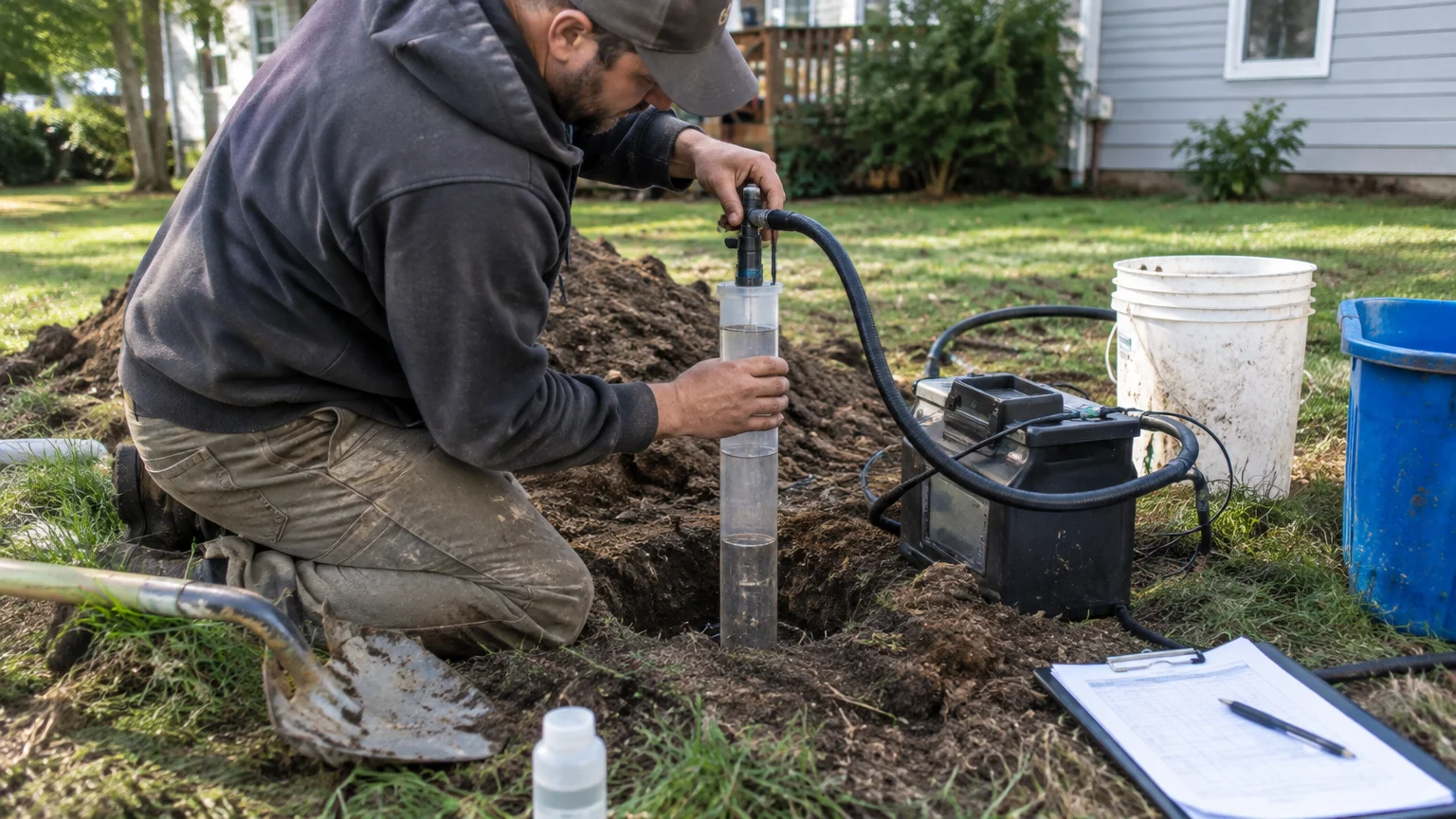
- How much is a septic inspection?
- What factors affect the cost of a septic inspection?
- How does tank size affect septic inspection costs?
- How do access and system type change the inspection price?
- How much does a percolation test cost compared with an inspection?
- What does a septic inspection quote usually include?
- When should you schedule a septic inspection or percolation test?
- Frequently Asked Questions
How much is a septic inspection?
A septic inspection checks the tank, pipes, drainfield, and other system parts. It helps show if the system works well and if trouble needs more review. A percolation test is different. It checks how fast soil takes in water and may be needed for a new system, repair, or building plan.
The answer to how much is a septic inspection is not the same for every property. A home with clear records and an easy-to-find tank may need less work. A home with buried lids, poor access, or an older system may need more time. A full inspection may also include more checks than a basic visual review.
A septic inspection cannot prove that every part will work forever. It gives a useful view of the system on that day. The report may note the tank level, baffles, outlet flow, drainfield signs, alarms, filters, and visible damage.
What is a septic inspection designed to find?
The inspection looks for normal operation, wear, leaks, blockages, poor drainage, and past damage. It may also show if the system matches the property records. The inspector may need to open access covers, check parts, and watch how wastewater moves through the system.
A percolation test focuses on the soil. It does not replace a tank inspection. Septic Tank Pump Jacksonville can help Jacksonville property owners understand which service fits the reason for testing and the septic system on site.
Why does the final quote vary?
The quote changes with the work needed, not only because a property has a septic tank. Travel distance, site conditions, permits, records, safety needs, and local rules can affect the work plan. A written quote should explain the inspection scope before the visit.
What factors affect the cost of a septic inspection?
The main factors include tank condition, system age, access, inspection depth, property layout, travel, permits, and local rules. A simple inspection on a well-documented property may be easier than a review of an older system with missing records.
The inspection scope matters most. Some property owners need a basic condition check. Others need a report for a home sale, lender, building project, or repair choice. Each purpose can call for different checks and documents.
How do system age and condition affect the quote?
Older systems may need more careful work. Parts can be worn, buried, damaged, or hard to identify. An inspector may spend more time checking the tank, inlet, outlet, baffles, pump parts, alarms, and drainfield area. Standing water or sewage odors may also need more attention.
A recent septic pumping record can help the inspector understand the system. Missing records do not make an inspection impossible. They can make the process less direct. The professional may need to find the tank and confirm the layout before checking its condition.
How do property layout and local rules matter?
Steep ground, fences, narrow drives, thick plants, and locked gates can affect access. A tank under a deck, driveway, shed, or hard surface may need special planning. Wet weather and soft soil can also change what the inspector can safely see.
Local requirements vary across the United States. Some projects may need permits, soil review, approved test areas, or a report in a certain format. Property owners in Jacksonville and the main Jacksonville area, from Riverside and Mandarin to nearby neighborhoods, should ask which rules apply before booking.
A homeowner can safely gather records, clear a path, unlock gates, and share known system details. They should not enter a septic tank or open unsafe access points. Septic gases can be dangerous, and tank work should stay with trained professionals.
How does tank size affect septic inspection costs?
Tank size can affect the inspection because larger tanks may take more time to access, check, and record. Size alone does not decide the final quote. The tank location, condition, cover type, and other system parts matter too.
A septic tank is a sealed container that holds wastewater. Solids settle there before liquid moves toward the drainfield. The tank must be checked as part of the full system. Looking only at the tank may miss a problem with the pipes, pump, soil, or drainfield.
Why can larger tanks require more work?
A larger tank may have more than one access point or section. The inspector may need to check each area, confirm the baffles, and review liquid levels. Some systems also have pumps, filters, alarms, or treatment units. These parts add steps to the inspection.
The number of bedrooms and home design can help explain system size. However, property owners should not assume that a larger tank is always better. They should not assume that a smaller tank is always failing. Correct design, regular care, and proper use all matter.
When does locating the tank add work?
A tank that is not marked may need to be found before the inspection starts. The professional may review old plans, follow sewer lines, use safe locating tools, and look for changes in soil or grass. Buried lids may need careful digging to prevent damage.
Property owners can share permits, surveys, pumping receipts, and past inspection reports. They can also point out likely plumbing exits from the house. This preparation may help the inspector plan the visit, but it does not replace professional locating.
How do access and system type change the inspection price?
Access and system type can change the inspection price because systems have different parts and safety needs. A buried tank with poor access may need more planning than a marked tank. An advanced system may need checks that a basic gravity system does not.
A conventional septic system usually sends wastewater from the tank to a drainfield by gravity. A mound system raises the treatment area above the natural soil. An aerobic system uses added air and mechanical parts to treat wastewater. These terms describe different designs, not automatic proof of system quality.
What if the tank is buried or hard to reach?
The inspector may need to find the tank, uncover lids, protect nearby surfaces, and check if access is safe. Limited records can add more time. A tank below concrete or a building may need a separate plan. Opening that area could cause property damage.
Property owners should tell the service provider about fences, pets, irrigation lines, recent landscaping, underground utilities, and access limits. Clear details help the professional decide what can be checked during the visit.
How do advanced systems change the inspection?
Advanced systems may include pumps, control panels, alarms, filters, dosing tanks, treatment units, or other equipment. The inspection may check these parts and confirm that warning devices work. The system manual and service history can help.
A professional may ask who maintains the system and whether alarms have sounded. A missed alarm can let a small issue become a larger one. Property owners should not silence or bypass an alarm before finding out why it sounded.
Septic Tank Pump Jacksonville serves property owners who need clear next steps for septic systems. The right inspection plan depends on the system, the property, and the reason for the visit.
How much does a percolation test cost compared with an inspection?
A percolation test, often called a perc test, measures how fast soil absorbs water. It is not the same as a septic inspection. An inspection reviews an existing system. A perc test helps show if land may support a new or replacement drainfield.
The final cost of a perc test depends on soil, site conditions, test depth, equipment, design needs, permits, and local rules. It may compare differently with an inspection because the work examines land around a proposed system. An inspection focuses more on the existing tank and plumbing.
When is a perc test needed?
A perc test may be needed when an owner plans to build, add bedrooms, replace a failed system, divide land, or create a new septic area. Local health departments or permit offices may set the process. Rules can differ by state, county, and project type.
The test area must be chosen with care. Wet spots, packed soil, high water tables, rock, fill soil, or nearby drainage can affect the result. A failed test does not always mean the property has no options. It may require a different design or more review.
What should property owners ask first?
Property owners should ask which agency oversees the test, whether a permit is needed, who prepares the report, and if a site plan is required. They should also ask if the proposed building spot and drainfield area are known.
A perc test is not a promise that a septic system will work in every location. It is one part of a site review. The final design may also depend on setbacks, space, groundwater, slope, and local approval.
What does a septic inspection quote usually include?
A septic inspection quote usually describes the visit, areas to check, access work, testing, records review, and report details. The exact scope should be clear before booking. Property owners should compare written quotes by what they include, not only by the final amount.
A quote may cover some or all of these tasks:
- Reviewing available permits, service records, and system details.
- Locating the tank and finding access covers when needed.
- Checking the tank, baffles, filter, inlet, outlet, and visible liquid levels.
- Looking for leaks, backups, odors, wet ground, or drainfield stress.
- Checking pumps, alarms, control panels, and other parts when present.
- Preparing written findings and noting needed follow-up work.
What should the report explain?
A useful report should say what the inspector checked and what could not be checked. It should describe visible conditions in plain words. It may suggest septic pumping, repairs, more testing, engineering review, or contact with the local authority.
Property owners should ask if the report suits a sale, purchase, loan, permit, or repair choice. They should also ask if pumping, digging, lab work, engineering design, or permit charges fall outside the inspection scope.
What questions should be asked before scheduling?
Before booking, property owners can ask what system is present, if access must be exposed, what records are useful, and how long the visit may take. They can ask how findings will be sent and if the quote changes when hidden conditions appear.
They should also ask what the professional needs on the day. Clear access, safe pets, working water, and system records can help. The homeowner does not need to perform technical checks, open tanks, or handle sewage.
When should you schedule a septic inspection or percolation test?
A septic inspection should be scheduled before buying or selling property, when planning construction or remodeling, after signs of trouble, or when system records are unclear. A percolation test should be planned early for new construction, replacement systems, additions, or land changes.
Scheduling early gives property owners time to act on findings. It can also help prevent delays with a sale, permit, building plan, or loan review. A rushed inspection leaves less time for repairs or added testing.
What are common reasons to arrange testing?
Property owners often schedule an inspection for these reasons:
- A home purchase needs a clearer view of the current septic system.
- A seller wants records that explain the system condition.
- A family plans an addition, bathroom, or bedroom change.
- An owner sees slow drains, wet soil, odors, or sewage backup.
- An investor needs better details before making a property choice.
- A failed system may need repair, replacement, or a new drainfield.
A homeowner may safely watch for slow drains, odd odors, wet areas, and sewage signs. They can reduce heavy water use when a backup occurs. They should keep people away from unsafe wastewater. They should not dig into the tank, enter it, or try electrical pump repairs.
How can owners compare written quotes?
Compare the scope, report type, access work, testing, permits, and follow-up terms. A quote that looks lower may leave out work needed for the property. A quote with more review may be more useful for a sale, permit, or repair choice.
The final cost is confirmed in a quote after the professional understands the site. Septic Tank Pump Jacksonville can help property owners review the next step and prepare for an inspection or perc test.
Key takeaways
- Inspection costs depend on access, system type, tank condition, and work scope.
- A percolation test checks soil and does not replace a septic inspection.
- Older systems and missing records may require more review.
- A written quote should explain included checks and added services.
- Property owners should schedule early before a sale, project, or repair.
Frequently Asked Questions
How deep should a septic tank be?
There is no single depth for every septic tank. The tank may be shallow or several feet below the ground. Design, soil, slope, frost concerns, and the site plan can affect depth. Property owners should use records or a trained professional to find it. They should never dig without checking for underground utilities.
How far does a septic tank need to be from a house?
Required separation depends on local rules, property design, soil, wells, waterways, and system type. A general answer may not fit every site. A local permit office or qualified septic professional can explain the rules that apply in Jacksonville and the surrounding Jacksonville city area.
How does a septic system work?
Wastewater flows from the building into the septic tank. Solids settle, oils rise, and the liquid layer leaves through an outlet. The drainfield spreads that liquid into suitable soil. Healthy use, regular septic pumping, proper repairs, and protection from heavy traffic help the system work as designed.
How can a property owner find the septic tank lid?
Start with permits, site plans, pumping records, and the plumbing line leaving the building. A lid may also sit near a cleanout or a change in soil. If records do not help, a professional can locate the tank safely. Owners should avoid random digging because utilities may be nearby.
Who installs septic tanks near me?
Licensed or otherwise qualified septic installers usually handle new tank and system work, subject to local rules. The right provider depends on the project, soil, design, and permit needs. An inspection company may identify the current system condition. An installer or engineer may handle septic tank replacement planning.
Conclusion
A septic inspection is more than a quick look at the tank. The quote may change with access, tank size, system type, records, site conditions, testing, and local rules. A perc test answers a different question by examining how soil may absorb wastewater.
The best next step is to explain the property goal before booking. That goal may be buying, selling, building, remodeling, repairing, or learning why the system shows warning signs. A clear scope and written quote help property owners make a sound choice without guessing.
If you are unsure what you have, it helps to have a professional review it before a small issue becomes a larger job. Contact us today to discuss the right septic service with Septic Tank Pump Jacksonville.