The main difference in a holding tank vs septic system is how each one handles wastewater. A holding tank stores wastewater until a licensed service pumps it out. A septic system treats wastewater in a tank, then sends liquid to a drainfield. Soil, space, water use, property rules, and maintenance needs help determine the best choice.
Table of Contents
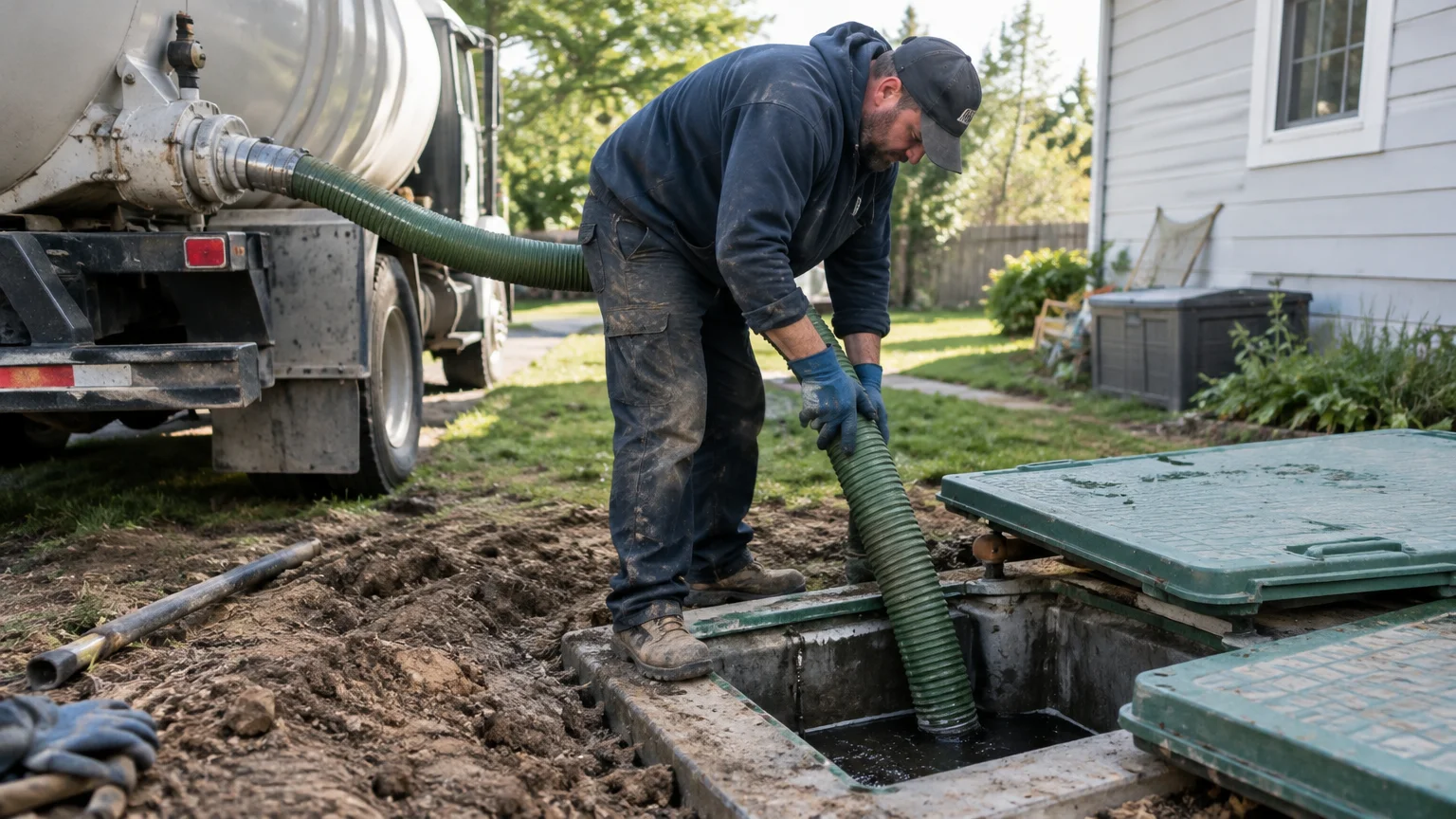
- What Is the Difference Between a Holding Tank and a Septic System?
- How Does a Holding Tank Work?
- How Does a Septic System Work?
- How Do the Parts of Each System Work Together?
- What Are the Main Advantages and Limitations of Each System?
- What Do Property Owners Need to Know About Maintenance?
- What Are Common Misconceptions About Holding Tanks and Septic Systems?
- Frequently Asked Questions
What Is the Difference Between a Holding Tank and a Septic System?
A holding tank is a sealed container that collects wastewater. It does not treat wastewater or release it into the soil. A septic system has both a tank and a drainfield. The tank settles solids, while the drainfield receives and filters liquid waste through safe soil.
This difference changes how the property handles water. A holding tank has a set limit. Once it fills, wastewater has nowhere to go until the tank is pumped. A septic system keeps working as liquid leaves the tank and enters the drainfield. That flow still depends on good design, healthy soil, and proper care.
A holding tank may help a home with poor soil, little space, seasonal use, or a short-term wastewater need. Local rules may also require one when a regular septic system cannot be approved. A septic system may fit a property with enough land and soil for safe wastewater treatment.
How a holding tank stores wastewater
The tank receives wastewater from toilets, sinks, showers, laundry, and other drains. A sealed lid keeps the waste inside. An alarm may warn the owner when the liquid level rises. The tank then needs service from a qualified pump provider.
How a septic system treats and disperses wastewater
A septic tank separates wastewater into layers. Heavy solids settle at the bottom as sludge. Grease and light material rise to form scum. The liquid layer moves toward the drainfield. There, soil helps remove many harmful materials before the water moves underground.
Septic Tank Pump Jacksonville can help Jacksonville property owners learn which system is present. The company can also explain basic care needs. A local review helps before buying a home, changing its use, or planning an addition.
How Does a Holding Tank Work?
A holding tank collects all wastewater in one sealed container. Unlike a septic tank, it has no drainfield for treated liquid. The tank stays in service until its level calls for pump-out work.
Wastewater travels through the building sewer and enters the tank. The tank holds the waste below ground. A vent may help control gases. An alarm may warn of a rising level. Some systems also have controls that help owners plan service before an overflow.
Tank size, household use, the number of people, and local rules affect pumping needs. A larger tank holds more wastewater, but it still has a fixed limit. Extra showers, guests, leaking toilets, and running faucets can fill the tank faster.
Main components of a holding tank system
Common parts include the building sewer, access lid, tank, vent, alarm, and pump-out connection. Not every property has the same layout. Some tanks rely on a pump truck to remove waste. Others may have a pump that moves wastewater to another approved point.
The access lid should stay easy to reach and secure. Owners should learn its location before an urgent problem starts. Property records, cleanout points, and the sewer line may help show where it is. Owners should not dig near buried utility lines without proper clearance.
Wastewater flow into a holding tank
Indoor drains → building sewer → sealed holding tank → level alarm → approved pump-out service
A holding tank is not a treatment system. It is a storage system. The owner must watch water use and arrange pumping before the tank reaches its alarm level. An overflow can cause health risks, property damage, and rule problems.
How Does a Septic System Work?
A septic system treats wastewater in stages. First, wastewater enters the septic tank. Solids settle, light material floats, and the liquid layer moves through an outlet. The drainfield then spreads that liquid into the soil for more treatment.
A septic tank is an underground container that separates solids from liquid. A drainfield is an area with soil and pipes that receives liquid from the tank. Soil, natural microbes, and good drainage help reduce pollutants before the liquid travels deeper underground.
The role of the septic tank and drainfield
The tank holds wastewater long enough for solids to settle. Baffles help keep scum and sludge from leaving the tank. An outlet filter may stop larger particles from moving toward the drainfield.
The drainfield needs enough space and suitable soil. It can fail when it receives too much water, heavy vehicles, tree roots, or too many solids. It may also struggle when the tank is not pumped or when the system was not designed for the property.
Wastewater flow through a septic system
Indoor drains → septic tank → outlet filter → distribution box → drainfield → soil treatment
A septic system does not make wastewater vanish. It depends on steady flow through the tank and drainfield. Toilets, sinks, showers, and laundry all add water. Careful water use helps the system manage that flow.
The location of each part can vary. A tank may sit close to the home, but local rules and site conditions affect its exact location. Property owners should check approved records instead of guessing where the tank or drainfield lies.
How Do the Parts of Each System Work Together?
In a holding tank system, the building sewer and tank mainly create a collection path. Wastewater moves from the property into storage. The owner arranges pump-out service before the tank fills. There is no soil treatment step on the property.
In a septic system, each part supports the next step. Plumbing carries wastewater to the tank. The tank separates solids and liquid. The outlet sends liquid toward the drainfield. The drainfield spreads liquid through soil. A problem in one part can affect the whole system.
What happens after wastewater leaves the property
Wastewater does not leave the property in the same way with both systems. With a holding tank, it stays on the property until a service provider removes it. With a septic system, liquid moves into the drainfield and soil after leaving the tank.
Both systems need safe access and careful planning. Owners should keep vehicles, sheds, pools, and large trees away from key parts. Heavy loads can damage tanks, pipes, or drainfields. Construction plans should begin with a review of records and field locations.
Why pumping and maintenance requirements differ
A holding tank needs planned pump-outs because its capacity is limited. Owners must watch the alarm and track changes in water use. Ignoring the alarm can cause a sewage backup or overflow.
A septic system needs pumping because sludge and scum build up over time. It also needs drainfield care. Pumping removes stored solids, but it does not repair damaged soil or failed pipes. A full inspection may be needed before a property purchase, after a backup, or before major changes.
Septic Tank Pump Jacksonville is a local resource for questions about septic tank pumping, system access, and warning signs. Property owners in Jacksonville should use approved records and qualified help when the system layout is not clear.
What Are the Main Advantages and Limitations of Each System?
Neither system fits every property. A holding tank offers a way to manage wastewater where a drainfield is not suitable. A septic system offers on-site treatment when the land, soil, and design support it.
The best choice depends on more than the tank. Soil type, groundwater, lot size, building use, water flow, and local approval rules all matter. A system that works well on one property may not work well on another.
When a holding tank may be appropriate
A holding tank may fit a small seasonal building, a property with little usable land, or a site that cannot support an approved drainfield. It may also work as a temporary option during a larger wastewater project.
Its main benefit is simple storage. Its main limit is the need for regular monitoring and pump-out planning. Owners must plan for service, check alarms, and watch for changes in household water use.
When a septic system may be the better option
A septic system may fit when the property has room for a drainfield. The soil must also support treatment. This system can serve a home without requiring every drop of wastewater to be removed by a pump truck.
Its limits include design needs, soil limits, and possible drainfield damage. Owners must protect the field, avoid flushing harmful items, and arrange septic pumping and inspections as needed. A septic system still needs regular care.
For either system, owners should ask for permits, installation records, inspection reports, and service history. First-time buyers and investors should confirm the system type before closing. Tenants should report alarms, slow drains, sewage odors, or wet ground quickly.
What Do Property Owners Need to Know About Maintenance?
Good maintenance starts with knowing the system type, tank location, access point, and drainfield location. Owners should keep these records with other property papers. Clear records make inspections and repairs easier.
Many simple tasks are safe for owners to do themselves. They can reduce water waste, fix leaking fixtures, keep access lids clear, and avoid driving over tanks or drainfields. They should not enter a tank, open unsafe covers, or repair underground wastewater parts without trained help.
Holding tank monitoring and pump-out planning
Owners should check the alarm system as the maker directs. They should note unusual water use, slow drains, odors, or a rising alarm. A written service log can show how household changes affect the tank level.
Pump-out planning should happen before the tank is full. Waiting for an overflow creates a more serious problem. A service provider can explain which signs need urgent help and what details to share before a visit. Emergency pumping may be needed when wastewater backs up or reaches the ground.
Septic tank pumping, inspections, and drainfield care
Septic pumping removes sludge and scum that the tank cannot break down. Timing depends on tank size, household use, solids levels, and local guidance. An inspection can check the tank, baffles, outlet filter, pipes, and visible drainfield conditions.
Owners should spread laundry across the week and repair leaks. They should not flush wipes, grease, paint, chemicals, or other unsuitable items. Rainwater, sump discharge, and roof runoff should stay away from the drainfield. These steps help limit extra flow and protect the soil.
A professional is needed for pumping, tank entry, alarm repairs, underground locating, and suspected leaks. Safe homeowner tasks include keeping lids clear, checking for wet spots, and recording changes in system behavior. Septic tank replacement may be needed when a tank is badly damaged, but an inspection should guide that decision.
What Are Common Misconceptions About Holding Tanks and Septic Systems?
A common mistake is thinking a holding tank treats wastewater. It does not. It stores wastewater until removal. Another mistake is thinking a septic tank alone completes treatment. The drainfield and soil are also key parts.
Some owners think a large tank never needs service. That is not true. A larger tank may provide more storage, but every holding tank has limits. Septic tanks also collect solids and need attention even when drains seem to work normally.
Misconceptions about wastewater treatment and capacity
Another myth is that household chemicals can safely go down every drain. Some products can harm helpful organisms or damage system parts. The safest plan is to follow product labels and local disposal rules.
Slow drains do not always mean the tank is full. A blocked pipe, damaged baffle, failed pump, or soaked drainfield can cause similar signs. Strong odors, sewage on the ground, wet patches, and repeated backups need prompt attention. A 24/7 service provider may be useful when a serious backup happens outside normal hours.
How to determine which system a property has
Start with property records, permits, inspection reports, and past service paperwork. Ask the seller, landlord, installer, or local authority for available system information. A visible alarm or pump-out connection may offer clues, but it does not prove the full design.
A qualified professional can help locate a buried septic tank or holding tank. A tank may sit several feet below grade, and lid depth varies by installation. Owners should never guess with heavy digging or enter a tank. Dangerous gases and unsafe conditions can exist inside.
Septic Tank Pump Jacksonville can help property owners prepare questions before a service visit. Knowing the system type helps owners choose safer maintenance steps and avoid preventable damage. This can be especially helpful for homes and businesses in Jacksonville.
Key takeaways
- A holding tank stores wastewater and needs planned pump-outs.
- A septic system uses a tank, drainfield, and soil for treatment.
- Both systems need safe access, careful water use, and regular care.
- Owners should protect tanks and drainfields from vehicles and construction.
- Records and a professional inspection can confirm the system type.
Conclusion
The choice between a holding tank and septic system depends on the property, soil, space, water use, and local rules. A holding tank stores wastewater for removal. A septic system treats wastewater through a tank and drainfield. Knowing this difference helps owners plan safer care.
Property owners should keep system records, watch for warning signs, and arrange service before a problem becomes an overflow. Contact us today to discuss septic system questions, pumping needs, or help identifying the wastewater system at a property.
Frequently Asked Questions
How does a holding tank differ from a septic tank?
A holding tank stores all wastewater until a service provider pumps it out. A septic tank separates solids from liquid and sends liquid to a drainfield. The septic tank is one part of a larger treatment system. A holding tank is mainly a sealed storage container.
How often does a holding tank need to be pumped?
There is no single schedule for every property. Tank size, household water use, occupancy, and alarm settings affect timing. Owners should track pump-outs and arrange service before the alarm reaches a high level or wastewater backs up.
How can someone find a buried septic tank?
The safest starting points are permits, property records, inspection reports, and old service notes. The building sewer may show the tank’s general location. A qualified professional can use safe locating methods. Owners should avoid unplanned digging near utilities or underground system parts.
How deep should a septic tank or lid be?
Depth varies by property and installation. Some lids sit close to grade, while others have more soil above them. Owners should not assume the lid depth or location. Records and professional locating are safer than probing or digging without a plan.
Does pumping a septic tank fix a failing drainfield?
Pumping removes stored solids from the tank, but it does not repair a damaged or soaked drainfield. Standing water, sewage odors, lush wet areas, or repeated backups may point to a larger problem. An inspection can help tell a full tank from a drainfield concern.
If you are unsure which system serves the property, review the records before arranging work. Septic Tank Pump Jacksonville can help explain the next steps.
If you are not sure what you are dealing with, it is worth having someone look at it before it turns into a bigger job. Get in touch with Septic Tank Pump Jacksonville today and we will tell you where you stand.