The answer to how long does it take to pump septic tank systems depends on access, tank size, waste levels, and site conditions. Many routine visits take from about 30 minutes to a few hours. A buried, damaged, or hard-to-find tank may take longer because the technician needs more time to reach and check it.
Table of Contents
- How long does it take to pump a septic tank?
- What happens during a septic tank pumping appointment?
- How do septic tank parts work together during pumping?
- What can make septic tank pumping take longer?
- How should you prepare for septic tank pumping?
- What should you expect after the septic tank is pumped?
- What are common misconceptions about septic tank pumping?
- Key takeaways
- Frequently Asked Questions
- Conclusion
How long does it take to pump a septic tank?
A normal septic tank pumping visit often takes less than a few hours. The pumping itself may take less time than the full visit. The crew may need to find the tank, open the lids, check the system, remove waste, and clean the work area.
The property can also change the timeline. A tank beside a clear driveway is easy to reach. A tank under soil, plants, gravel, or a deck may take more work. Service records can help the crew find the tank before the appointment. Owners can check health department files, closing papers, and past service notes.
What happens before the pumping begins?
The technician first confirms where the tank is located. They also check where the service truck can park safely. The technician may ask about backups, slow drains, odors, or recent changes in water use. These details may point to a larger septic issue.
Next, the access area must be opened. Some tanks have risers and lids near the ground surface. Other covers are buried. Finding and uncovering a buried tank can add time, especially when the property has few records.
What factors affect the timeline?
Tank size, waste levels, access, weather, and yard layout all affect the visit. A tank with thick sludge may need careful work. Sludge is the heavy solid layer that sinks to the tank bottom. Scum is the lighter layer that floats on top.
Septic Tank Pump Jacksonville helps property owners understand what may affect a visit. A clear tank location and a list of recent problems can help the provider plan. This is useful for families, tenants, investors, and first-time buyers in Jacksonville.
What happens during a septic tank pumping appointment?
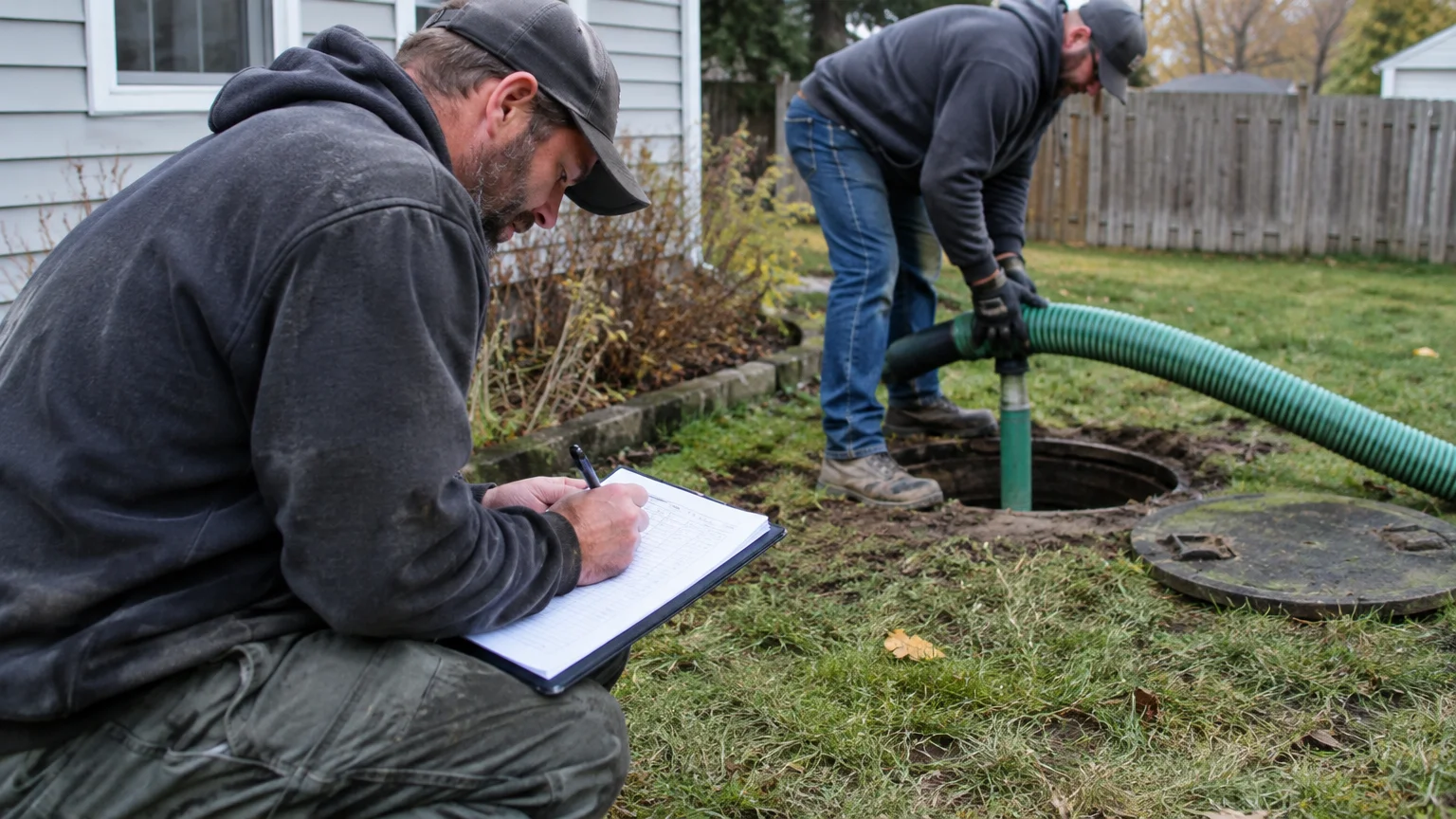
A septic pumping visit usually follows a simple order. The technician arrives, finds the tank, opens the access points, checks the tank, removes liquid and solids, and closes the area. The goal is safe handling and full removal, not just making the tank look empty from above.
First, the crew checks the work area. The truck needs a safe place to park. The hose must also reach the tank. The crew may protect nearby surfaces and keep children and pets away from the work zone.
The tank lids are then opened. The technician may check the inlet, outlet, baffles, liquid level, and visible tank walls. Baffles are parts that guide wastewater into and out of the tank. They also help keep solids in the tank.
The pumping hose removes wastewater, sludge, and scum. The technician may move the hose to several areas inside the tank. This helps remove settled material instead of only drawing liquid from one place.
Plain-language walkthrough of the pumping process
The pumping process normally includes these steps:
- The crew confirms the tank location and truck access.
- The access lids are uncovered, opened, and checked.
- The technician looks for damage, high water, or odd conditions.
- The hose removes liquid, sludge, and floating material.
- The inlet, outlet, baffles, and nearby area receive a visual check.
- The lids are secured, and the work area is left safe.
The technician may explain the findings before leaving. A routine pumping visit may not include repairs, digging, or a full inspection. Those services may need separate planning when the tank or drainfield has a problem.
Septic pumping timeline from arrival to cleanup
The visit has five main stages. These are arrival and access checking, lid opening, tank checking, pumping and waste removal, and lid replacement and cleanup. The main parts include the tank, inlet pipe, outlet pipe, baffles, lids, hose, and service truck.
Pumping is more than attaching a hose. The visit includes access, safe handling, waste removal, basic checks, and cleanup. This explains why two tanks of a similar size may still need different amounts of time.
How do septic tank parts work together during pumping?
A septic tank is a buried container that holds wastewater from a home or business. A septic system also has pipes, a drainfield, and soil. These parts help treat and spread wastewater. Pumping removes waste from the tank so the system has room to keep working.
Wastewater enters through the inlet pipe. Heavy solids sink, light material floats, and liquid stays between those layers. Natural bacteria break down some waste, but they cannot remove it all. The outlet pipe sends the clearer liquid toward the drainfield.
During septic pumping, the technician removes the tank contents through an access opening. The inlet and outlet show how wastewater moves. Baffles help protect these paths and keep solids from moving toward the drainfield.
How the tank, inlet, outlet, and baffles interact
The inlet pipe brings household wastewater into the tank. The outlet pipe sends liquid toward the drainfield. The tank separates solids from liquid. Baffles help slow the flow and keep the layers from mixing too much.
A broken or missing baffle can let solids reach the drainfield. This may cause clogs or poor drainage. Pumping removes waste, but it does not repair a broken baffle or damaged pipe.
Why access covers and tank location matter
Access covers make septic tank service safer and easier. A riser brings the cover closer to the ground surface. This can reduce digging during future visits. A tank without clear access may take longer because the crew must find and uncover it.
The tank may sit near the home, driveway, garage, or another structure. Its depth varies by property. Soil, design, age, and installation all affect its location. Never enter a tank or lean over an open lid. Septic gases and unsafe conditions can cause serious harm.
What can make septic tank pumping take longer?
Many conditions can extend a septic pumping visit. Common issues include poor access, heavy buildup, missing records, blocked openings, bad weather, and system problems. A longer visit does not always mean the system has failed. It may mean the property needs more than routine pumping.
Access is often the first concern. A buried lid, narrow gate, steep slope, soft ground, or long hose path can slow the work. The truck may also need firm ground to avoid harm to lawns, driveways, and underground features.
Tank access, sludge buildup, and site conditions
Heavy sludge and scum may take longer to remove. The technician may move the hose and work slowly around thick layers. A tank that has not been serviced in a long time may have more settled waste than expected.
Rain, standing water, frozen soil, and wet ground can affect access. Plants, patios, sheds, and additions may also cover the tank. Clear records and visible risers can make future septic tank pump services easier to plan.
When inspections, repairs, or extra service are needed
Pumping may reveal cracked concrete, damaged lids, broken baffles, blocked pipes, or high water. A basic visual check can find some concerns. It may not explain every drainfield or plumbing problem. More testing may be needed if wastewater backs up after pumping.
A perc test is a soil test. It checks how quickly water moves through the ground. A qualified soil professional or other approved specialist usually performs it. Local rules decide who may do the test. A perc test is not routine pumping and is not needed for every visit.
Septic Tank Pump Jacksonville can explain when routine septic service may need follow-up work. Ask what the technician saw, what remains unclear, and which professional should handle the next step.
How should you prepare for septic tank pumping?
Owners and tenants can help by finding records, clearing access, and sharing recent problems. The home usually does not need to be emptied. However, water use may need to pause during the visit. The provider can explain any special steps before arrival.
Start by looking for permits, inspection reports, past invoices, and tank records. A county or local health department may keep septic records online or in public files. Search terms such as the address, parcel number, septic permit, or onsite wastewater record may help.
What property owners and tenants should do beforehand
The following steps can help prepare the site:
- Mark the likely tank location and share records with the provider.
- Move cars, toys, furniture, and loose items away from access areas.
- Keep children and pets away from the work zone.
- Tell the technician about odors, backups, slow drains, or wet ground.
- Limit household water use during the appointment.
- Do not dig unless the tank location is safely confirmed.
Tenants should tell the owner or manager about warning signs. Investors and buyers should request service records during due diligence. These records may show past pumping, noted repairs, and access point locations.
What to expect from the pumping area and household plumbing
The ground around the tank may become muddy if digging is needed. The provider should explain the planned access work. The opening should be secured before anyone returns to the area. Keep people away until the lids are closed and the site is safe.
Household drains may need a short pause during service. Water should flow normally afterward. Do not flush wipes, grease, paint, harsh chemicals, or other harmful materials into the system.
What should you expect after the septic tank is pumped?
After pumping, the tank has more room for wastewater. Drains should work normally when the plumbing and drainfield are healthy. Pumping does not solve every septic problem. Warning signs still need quick attention.
The technician may explain the tank condition, access location, and visible parts. Ask whether the lids were secured and whether the baffles looked sound. Written notes can help with future care and property records.
How the system should operate after service
A healthy system should handle normal wastewater without repeated backups, strong odors, gurgling drains, or wet ground near the drainfield. One slow drain may be a home plumbing issue. Several slow drains may point to a wider septic problem.
Use water wisely after service. Spread laundry across the week to reduce sudden flow. Fix leaking toilets and faucets. Too much water can place extra strain on the septic system.
When to ask about maintenance, inspections, or warning signs
The best pumping schedule depends on tank size, household size, water use, solids, and local conditions. A technician can help create a plan based on the actual system. A home with more residents may need service sooner than a lightly used property.
Ask for help when sewage backs up, odors continue, drains stay slow, or wet spots appear near the tank or drainfield. A first-time buyer may also want a septic inspection before buying when records are missing or the system condition is unclear.
What are common misconceptions about septic tank pumping?
Many people think pumping removes every septic problem. It does not. Pumping removes waste from the tank. Pipes, baffles, the drainfield, soil, and home plumbing may still have separate problems.
Some people also think a short visit means the work was incomplete. A visible tank with easy access may be pumped quickly. The better questions are whether the waste was removed, the agreed checks were done, and the lids were secured.
Does pumping remove every septic system problem?
No. Pumping does not repair cracked tanks, broken baffles, blocked pipes, damaged drainfields, or poor soil. It also cannot fix plumbing problems inside the home. If symptoms continue, request a follow-up check instead of repeating pumping without finding the cause.
Septic tank cleaning and pumping can mean similar things, but services may differ. Ask what the appointment includes. Clear questions can prevent confusion about inspections, repairs, filters, risers, and other system parts.
Does a fast appointment always mean the work was complete?
No. Time alone does not show service quality. A fast visit may be right when access is easy and the tank is in normal condition. A longer visit may be needed when the tank is buried, full of thick solids, or hard to reach.
Ask what was pumped and what the technician saw. Septic Tank Pump Jacksonville helps property owners think about the whole system, not only the time spent at the tank.
Key takeaways
- A routine septic tank pumping visit often takes less than a few hours.
- Access, tank depth, sludge, weather, and site layout affect the timeline.
- Pumping removes tank contents but does not fix every septic problem.
- Clear records and open access can make future service easier.
- Backups, odors, slow drains, and wet ground need professional attention.
Frequently Asked Questions
How often should a septic tank be pumped?
The best schedule depends on tank size, household use, water flow, and solid buildup. One schedule does not fit every property. A qualified septic professional can review service records and system conditions. They can then suggest a practical plan.
How deep should a septic tank be?
Tank depth depends on the property design, soil, age, and installation. Some covers sit near the surface. Others are buried several feet below ground. Use records or a qualified professional to locate the tank. Never dig blindly or enter the tank.
What is a septic tank?
A septic tank is a buried container that receives wastewater from a property. Solids settle, lighter material floats, and liquid moves toward the drainfield. The tank holds waste while natural treatment starts. Regular pumping removes buildup that bacteria cannot fully break down.
Who performs a perc test?
A qualified soil professional, engineer, or other approved specialist usually performs a perc test. Local rules decide who may do the work. The test studies how soil absorbs water. It is often used for septic planning or replacement, not routine pumping.
How can someone find septic tank records online?
Start with the county or local health department website. Search for septic permits, onsite wastewater records, parcel records, or environmental health files. The property address and parcel number may help. If records are not online, ask the local records office how to request them.
Conclusion
Knowing how long does it take to pump septic tank systems helps owners plan the visit. Pumping may be quick, but access, checks, cleanup, and site conditions shape the full appointment. Good records, clear access, and honest details about symptoms can make service easier. Property owners in Jacksonville can use these steps to plan with fewer scheduling surprises.
Contact us to discuss septic tank pumping at your property.