Most septic tanks need pumping every few years, but the right timing depends on tank size, household use, and how much solid waste has built up. To answer “how often do you empty septic tank,” check the tank and its service records instead of guessing. Regular checks can help prevent a backup or bad smell.
Table of Contents
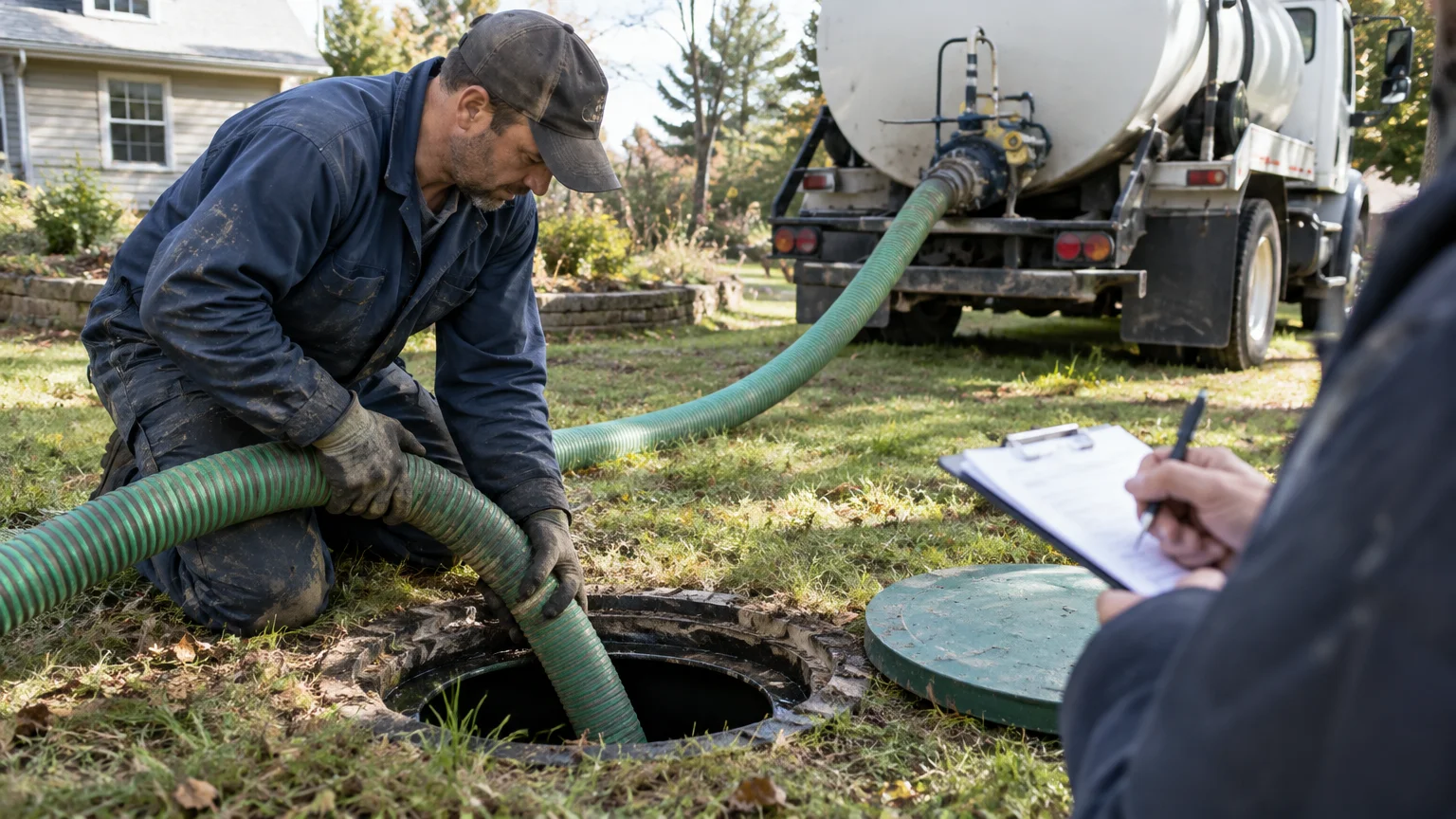
- How often should a septic tank be pumped?
- What factors affect how often a septic tank needs pumping?
- Can homeowners tell when a septic tank needs pumping?
- Is septic tank pumping a homeowner job?
- How do you determine the right pumping schedule?
- What should you do before a septic tank pump-out?
- What happens during septic tank pumping?
- What can go wrong if a septic tank is pumped too late?
- Can septic tanks be pumped too often?
- When should you call a septic professional?
- Frequently Asked Questions
How often should a septic tank be pumped?
There is no one pumping schedule that works for every home. Many tanks need service every few years, but the right time depends on the tank, the number of people using it, and what an inspection finds. The U.S. Environmental Protection Agency says that tank size and household use affect pumping needs (EPA septic system care).
Why there is no single schedule for every household
A small tank used by a busy household may collect solids sooner than a larger tank used by fewer people. Water use also plays a part. Long showers, many loads of laundry, and several water-using appliances running at once send more wastewater into the tank.
Inside the tank, solids settle at the bottom in a layer called sludge. Grease and lighter waste float on top in a layer called scum. Liquid between those layers flows toward the drainfield. Pumping takes out built-up waste before too much can leave the tank and harm the system.
A septic inspection gives a better guide than a guess. A worker can check the layers in the tank and look for signs of trouble. Septic Tank Pump Jacksonville can help Jacksonville property owners understand what an inspection says and when to plan the next service.
How pumping differs from emptying a tank
People often say “empty the tank,” but pumping means removing its contents, including waste and wastewater. The tank starts to receive wastewater again as soon as someone uses water at home. It is not meant to stay empty as part of normal care.
The goal is to remove extra solids and check the system, not to keep the tank empty. An inspection may show that a tank needs pumping sooner than planned. Keep the service record so the next check can use real details about the system.
What factors affect how often a septic tank needs pumping?
Tank size, household size, water use, and waste habits all affect pumping time. An inspection can show how those things affect a certain system. A schedule that works for a nearby home may not fit yours, even if the homes look much the same.
Household size and wastewater use
More people usually means more showers, toilet use, laundry, and dishwashing. That creates more wastewater for the tank to handle. A home with guests or changing residents may also have higher water use at certain times.
Water habits matter as well. Fix leaks and spread laundry loads through the week when you can. These steps can help avoid sending too much water into the tank at once. They do not take the place of pumping, but they can ease extra strain on the system.
Tank capacity, solids, and garbage disposal use
Tank capacity affects how much wastewater the tank can hold while solids settle. Tank size alone does not set the pumping schedule. The number of people in the home and the amount of solid waste entering the tank also matter.
A garbage disposal can send more food scraps into the system. Wipes, grease, and other waste that does not break down well can add solids or cause a blockage. Flush only toilet paper and human waste. Put food scraps and grease in the right household waste bin.
A septic tank is an underground container that holds household wastewater while solids settle. Liquid then flows onward for more treatment. If you are buying a home and do not know the tank size, local records or a qualified worker may help find the details. Tank depth and burial can differ, so do not dig to look for it without a safe plan.
Can homeowners tell when a septic tank needs pumping?
Homeowners can watch for changes, but signs alone cannot show exactly when pumping is due. A tank may need service before anyone notices an odor or slow drain. Regular inspection is more reliable than waiting for a clear warning.
Why a routine inspection is more reliable than waiting for symptoms
Some warning signs are slow drains, gurgling sounds, sewage smells, or wet ground near the tank or drainfield. These signs can have different causes. They do not prove that pumping by itself will fix the problem.
A trained worker can check the solids and look for other concerns. A drainfield is the area where wastewater moves into the soil for treatment. If too much solid waste reaches it, the system may not work well. A quick inspection can help find the cause before more damage happens.
Do not open a tank to check inside. Septic tanks can have dangerous gases and unsafe conditions. Keep children and pets away from an open or damaged cover. Leave the inspection to trained workers.
What household records can help track maintenance
Keep a simple record of inspections, pumping, repairs, and changes at home. Write down the date, who did the work, and any advice about the next check. New owners should ask for any records during a sale or property handover.
It can also help to note changes in the number of people at home, unusual water use, or repeated plumbing trouble. These details give a worker helpful context. Septic Tank Pump Jacksonville can help property owners use past service notes and inspection findings to plan routine care.
Is septic tank pumping a homeowner job?
Homeowners can do basic checks and simple upkeep themselves. Pumping, opening a tank, and looking inside it should be left to a qualified septic worker. The tank and its contents can create serious safety risks.
What owners can safely monitor and maintain
Owners can keep service records, watch for slow drains, and look for wet ground or unusual smells from a safe distance. They can fix dripping taps and running toilets, avoid flushing wipes, and keep cars off the tank and drainfield area.
Before yard work, learn where the tank and drainfield are. If records are missing, ask a worker or check local property records when available. Do not dig based on a guess about how deep the tank is. Its location and depth vary from one property to another.
Why opening or entering a septic tank is not a DIY task
Never climb into a septic tank or lean over an open hole. Harmful gases can build up inside, and a person may pass out quickly. An open tank also creates a fall risk. Keep the cover closed and secure.
Pumping takes the right tools and safe waste handling. A trained worker can remove the contents and check for visible problems. Homeowners should not try to pump a tank with household tools or handle the waste themselves. These jobs are not safe home upkeep.
How do you determine the right pumping schedule?
Use the tank size, service history, household use, and inspection results to plan pumping. A calendar reminder can help, but change the plan if the home or system changes. A worker’s findings are more useful than copying a neighbor’s schedule.
Step 1: Find the tank’s size and maintenance history
Look for system records from the past owner, builder, or local health office. Records may show where the tank is, its size, how it was put in, and past service. If you cannot find those details, ask a septic worker how to locate the system safely.
Tank capacity and home size are not the same thing. People may ask what size tank a three-bedroom house needs, but the right system depends on local rules, land conditions, and expected use. A worker can review the system details instead of relying on a broad rule.
Step 2: Arrange an inspection and use its findings to plan
Ask for an inspection that checks the tank and helps set the next service date. Tell the worker how many people use the home, whether there is a garbage disposal, and whether plumbing has changed. The worker can use those details along with the tank’s condition.
After the visit, save the findings with the home records. Set a reminder for the next check or pump-out suggested for that system. If the number of people, water use, or tank condition changes, review the plan instead of following an old date without checking.
What should you do before a septic tank pump-out?
Before a pump-out, find the tank, clear the access area, and share useful system details with the worker. Do not take off the cover yourself. A clear work area and good information help the visit go smoothly.
Locate the tank and make access available
Use system records or ask a worker to confirm where the tank is. The tank may be buried, and its depth can vary by property. Do not probe or dig without knowing where pipes, wires, or other buried services may be.
Move cars and stored items away from the access area. Keep children and pets inside or away from the work area. If landscaping covers the tank, tell the worker what is there before work starts. Do not drive or park over the tank or drainfield.
Share property and system details with the service professional
Tell the worker what records you have and when the tank was last checked or pumped. Mention slow drains, sewage smells, wet ground, or other changes. Also share any known repairs, home additions, or changes in the number of people using the home.
If the home is rented or newly bought, ask the owner or past owner for service records. Investors and property managers can keep those notes with other repair records. Clear details help the worker know what to check and what questions to answer.
What happens during septic tank pumping?
A septic worker finds and opens the right access point, removes tank contents with pumping equipment, and checks the tank as needed. The work depends on the system and the service requested. Ask the worker to explain any findings and what they mean for the next service date.
How a technician removes and checks tank contents
The worker uses equipment made for septic waste, not household tools. During the visit, the worker may check the tank and look at the layers of solids and scum. The check can help show whether pumping is due and whether another concern needs attention.
Pumping is not the same as replacing a septic system. A pump-out removes waste from the tank, but it does not fix a broken tank, blocked pipe, or damaged drainfield. If the worker sees a problem, ask what was found and whether more checks or repairs are needed.
What inspection findings can tell you about the system
Inspection results may show how fast solids build up and whether the current schedule makes sense. They may also point to a leak, damage, or a problem with wastewater leaving the tank. Keep the service notes so later visits can check for changes.
If the system needs major work, the next step depends on what is damaged and whether it can be fixed. Septic tank replacement or full septic system replacement depends on the site, access, system design, and amount of work. A worker can explain what the findings mean and confirm the work in a quote. Do not let that possibility stop you from arranging routine checks.
What can go wrong if a septic tank is pumped too late?
If a tank is not pumped when needed, extra solids may move toward pipes or the drainfield. This can make the system work poorly and may lead to serious damage. Regular checks can find buildup before warning signs become severe.
How excess solids can affect the drainfield
The tank holds solids while wastewater flows out. If too much sludge or scum builds up, solids may leave the tank and clog parts of the system. A clogged or damaged drainfield may not take in wastewater as it should.
A drainfield problem does not always come from missed pumping. Poor soil drainage, damage, or too much water entering the system can also be part of the cause. A worker should check the system before anyone assumes pumping will solve it. Avoid walking or driving over soft or wet areas.
Warning signs that may indicate a developing problem
Look for changes around the home and yard. These signs do not show the exact cause, but they are good reasons to ask for help:
- Drains that stay slow or make repeated gurgling sounds
- Sewage smells inside the home or near the tank
- Wet or unusually green patches above the tank or drainfield
- Wastewater backing up into a sink, tub, or toilet
- An alarm or warning light on a septic pump system
If wastewater backs up indoors, use less water and keep people away from the affected area. Do not open the tank or try to clear a septic line without guidance. Quick action can limit contact with waste and help a worker find the cause.
Can septic tanks be pumped too often?
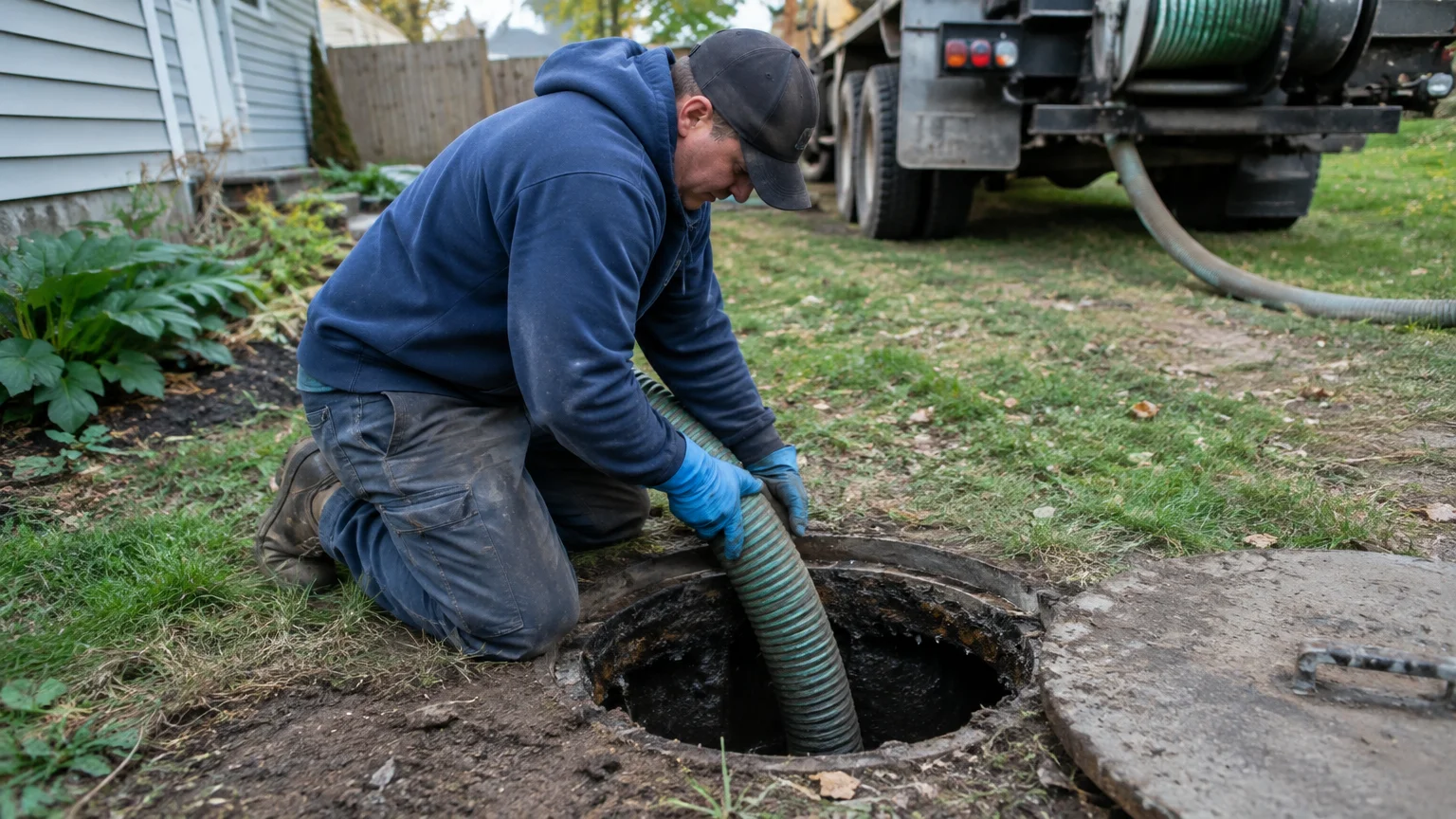
Yes, a tank can be pumped more often than its condition calls for. Pumping should follow inspection findings and household use, not a fixed schedule that ignores the system. Regular checks help prevent both missed service and pump-outs that are not needed yet.
Why pumping frequency should follow system condition and use
Pumping removes waste, but it does not replace an inspection or repair. If a tank is pumped too often without a reason, the owner may arrange work the system does not yet need. If pumping happens too late, solids may reach parts of the system that are harder to fix.
No schedule fits every property. A household with changing numbers of residents may need a different plan from a home with steady, lighter use. A worker can review tank size, condition, and past records to suggest a suitable time between visits.
How to avoid unnecessary service without neglecting maintenance
Keep the system records and ask what the inspection found. If the worker changes the advice, ask what new finding caused the change. This helps homeowners, tenants, and property managers understand the care plan.
Do not use a lack of odors or backups as proof that the tank can wait. Problems may grow before they are easy to spot. Routine checks, careful water use, and clear records help keep care on track without guesswork.
When should you call a septic professional?
Call a septic worker when an inspection is due, the tank’s history is unknown, or warning signs appear. Get help soon for sewage backup, a strong sewage smell, or wet ground near the system. Do not open the tank or try to pump it yourself.
Situations that call for prompt assessment
A new homeowner should learn where the tank is and review any service records. A landlord or property manager should act when tenants report repeat slow drains or sewage smells. If a tank cover is broken or missing, keep people away and get help making the area safe.
If wastewater backs up, use less water while arranging a check. Avoid contact with sewage, and do not cover wet areas with soil or plants. In Jacksonville and nearby communities, Septic Tank Pump Jacksonville can help property owners understand the next steps for septic tank pumping and routine care.
Key takeaways for setting and maintaining a pumping schedule
- The right schedule depends on tank size, household use, and inspection findings.
- Regular inspections are more reliable than waiting for smells or backups.
- Homeowners can track records and watch for signs, but should not open or enter a tank.
- Keep cars, heavy items, and digging away from the tank and drainfield.
- Ask a qualified worker to explain findings and suggest the next check.
Conclusion
A good septic care plan starts with knowing the tank’s location, size, and service history. Use inspection findings to decide when pumping is needed. Keep records, watch for changes, and leave tank access and pumping to trained workers. Contact us to discuss an inspection or pumping schedule for your system.
Frequently Asked Questions
How often should a septic tank be inspected?
Many homes need a routine inspection every few years, but the right timing depends on the system and how it is used. Ask a septic worker to review the tank’s condition and service history. Keep the advice with the property records and update it when household use changes.
What is a septic tank, and what does it do?
A septic tank is an underground container that receives wastewater from a home. Solids settle inside, while liquid flows toward the drainfield for more treatment in the soil. The tank needs routine checks and pumping so extra solids do not move into pipes or the drainfield.
How can someone find a buried septic tank?
Start with property or installation records, which may show the tank and drainfield locations. If records are missing, ask a septic worker to locate the system safely. Do not dig or probe at random, since buried pipes and other services may be nearby and tank depth can vary.
What does it mean if a septic tank smells or drains are slow?
A sewage smell or slow drain can point to a septic issue, but plumbing trouble can cause these signs too. Several slow drains, wet ground, or a backup call for prompt attention. Use less water if wastewater is backing up, and ask a worker to find the cause.
Does pumping fix a damaged septic tank or drainfield?
Pumping removes contents from a tank, but it does not fix a cracked tank, blocked pipe, or damaged drainfield. A worker needs to check the system and explain what is wrong. The right repair depends on the cause and the condition of the full system.
If you are unsure what is happening, having the system checked can help you understand the next step.
If you are not sure what you are dealing with, it is worth having someone look at it before it turns into a bigger job. Get in touch with Septic Tank Pump Jacksonville today and we will tell you where you stand.