A drain field treatment may add bacteria or chemicals to a septic tank, but it cannot fix every system problem. It will not repair broken pipes or dry wet soil. The best next step depends on what is causing the trouble. Jacksonville property owners can learn what treatments do and when a system needs a closer look.
A product label may sound helpful when drains slow down or odors appear. But a product that claims to fix every problem may not reach the real cause. Knowing what these products can and cannot do can help property owners make safer choices. A working septic system usually needs good daily care, not extra additives.
Table of Contents
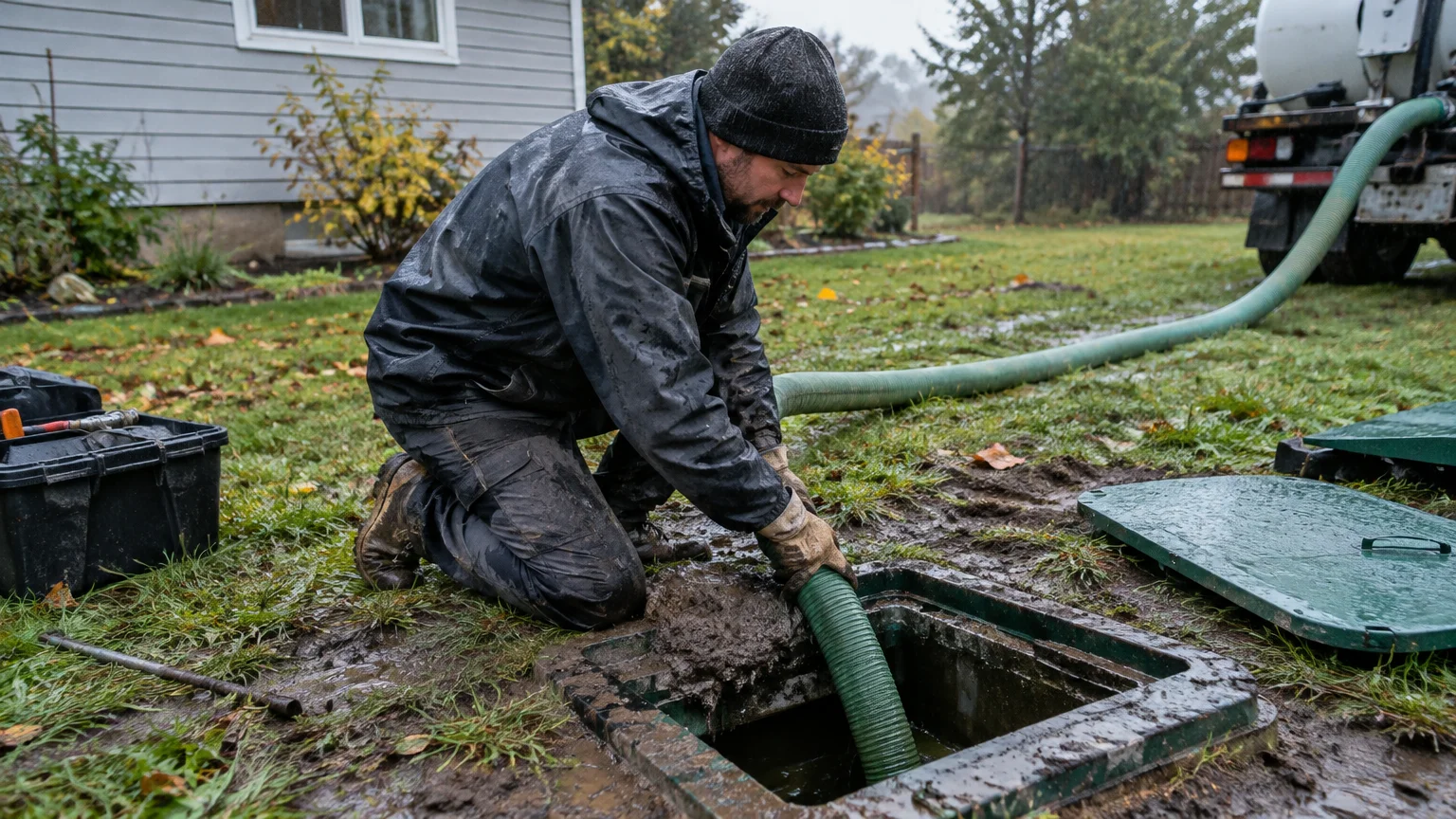
- What is drain field treatment supposed to do?
- How does a septic drain field actually work?
- Do drain field treatments fix clogs or saturated soil?
- Can septic additives harm a tank or drain field?
- How can you tell whether the drain field has a problem?
- What is a safer alternative to drain field treatment?
- What should property owners do before trying a treatment?
What is drain field treatment supposed to do?
A drain field treatment is a product added to a septic system. It claims to change how waste breaks down or moves through the system. Some products contain bacteria or enzymes. Others use chemicals. They may be sold as help for odors, slow drains, or a struggling drain field.
Common claims made about drain field products
Labels and ads may say a product adds helpful bacteria, breaks down waste, or clears pipes. Some claim they can restore a failing field. Such claims can make a treatment sound like an easy fix. But products differ, and a label does not prove that a product can fix your specific problem.
A septic tank already has bacteria that help break down waste. Wastewater then moves from the tank into the drain field. There, the soil helps treat it. Normal household waste provides material for the bacteria. Adding more microbes cannot remove a blockage, replace broken drain field piping, or make wet soil take in water faster.
Some products are sold for slow or failing systems. That does not mean they can fix the cause. A slow system may have a blocked pipe, a full tank, too much water entering the field, or soil that no longer drains well. Each problem needs a different response. A product label cannot tell you which problem is present.
The key point: a product may affect waste inside the tank, but it cannot repair the whole septic system. Septic Tank Pump Jacksonville can help property owners learn the difference between routine care and a problem that needs a closer look. Before using a treatment, read its claims and think about other reasons for the symptoms.
How does a septic drain field actually work?
A septic drain field takes wastewater from the tank and spreads it into the soil. The soil then provides more treatment. A drain field is also called a leach field. The pipes, soil, and site all matter, so adding a treatment to the tank cannot replace damaged parts or fix a poor site.
How wastewater moves from the tank into the soil
A septic tank is a buried container that holds household wastewater. This gives solids and oils time to separate. Heavy solids sink to the bottom, while grease and other light waste rise. Liquid between these layers flows through an outlet and into the drain field. This explains what a septic tank does and why solids should stay out of the field.
Pipes carry the liquid through the drain field. Some systems have gravel around the pipes. Others use a drain field chamber, which is a hollow part that holds and spreads wastewater underground. The soil receives the liquid and helps remove germs and other pollutants as it moves through. System designs differ, so not every property has the same parts.
Why soil conditions and system design matter
Soil type, slope, drainage, and system layout all affect how well the field takes in wastewater. Heavy rain or a high water table can leave soil too wet to take in more water. A system may also struggle if it is too small or poorly placed. The right design depends on the home, soil, and local rules.
A drain field treatment cannot change those conditions. It cannot make more room in the soil or correct a poor layout. If wastewater backs up after heavy rain, adding a product may not help. Keep cars and other heavy loads off the field. They can harm buried parts and press the soil down.
Do drain field treatments fix clogs or saturated soil?
Usually, no. Drain field treatments do not remove a clog or dry out wet soil. Some products may change material inside a septic tank. But they cannot be trusted to fix damaged pipes, a blocked line, or a field that receives more water than its soil can handle.
What happens to additives inside the septic tank
Bacteria and enzymes in a product may act on some organic matter in the tank. But they do not make items that should not be flushed disappear safely. Wipes, sanitary products, paper towels, grease, and other unsuitable waste can stay in the tank or move into pipes. Flush only toilet paper and human waste unless local system guidance says otherwise.
A chemical product may affect tank organisms or move onward with the wastewater. That does not mean it can open a blocked pipe. The tank and field connect, but they do different jobs. A product that changes tank contents cannot rebuild a crushed pipe or help soil that no longer takes in water.
Why a treatment cannot restore damaged or overloaded soil
A drain field may struggle when it gets too much water, when pipes are damaged, or when soil cannot drain well. A treatment cannot remove extra water from the ground. It cannot repair a drain field chamber, replace broken piping, or make an overloaded system larger.
Be careful with a promised leach field fix that claims to solve every problem without first finding the cause. The right response may be an inspection, septic pumping, a repair, or a change in water use. The work needed to replace a drain field depends on the site, system design, access, and damage. There is no single answer for every property. A proper check should come before any decision about replacement.
Can septic additives harm a tank or drain field?
Some additives may not be needed. Harsh or unsuitable products may harm parts of a septic system or affect its normal balance. The effect depends on the product and the system. Read labels, keep strong chemicals out of drains, and check local guidance before adding a treatment.
Potential effects of harsh chemicals and unapproved products
Strong cleaners, solvents, oils, and some chemicals can harm the bacteria that break down waste. Some substances can also damage pipes or tanks. A product that kills germs may also harm useful bacteria inside the system. That is one reason not to use a septic tank as a place to dump chemicals.
The best septic system treatment may not be a product at all. Many homes need careful water use, the right items kept out of drains, and care that fits the system. A product that promises a quick fix may distract from a real blockage or leak. It may also delay the check needed to find the cause.
How to check product claims and follow local guidance
Read the full label, not only the front. Check what the product contains, what it says it can do, and whether its directions fit your system. Be cautious if it promises to fix a failing field without checking pipes or soil. You can also ask a septic professional or local health office about guidance for your area.
Rules and approved methods can differ by place and system type. Keep notes about products used and symptoms you notice. Do not mix treatments or use more than the label says. If you recently bought a home, ask for septic system records. Find out when the system was last checked or pumped. Those records may tell you more than an additive can.
How can you tell whether the drain field has a problem?
A drain field problem may cause slow drains, sewage smells, wet ground, or unusually green grass over the field. These signs do not prove that the field has failed. Other system problems can cause similar symptoms. A timely check can help find the cause before the problem gets worse.
Common warning signs around the property
Watch for changes inside and outside the home. One slow sink may have a local drain clog, while several slow drains may point to a wider septic problem. Outside, standing water or a sewage smell near the field needs attention. Keep people and pets away from places where wastewater may be coming up.
Common signs to note include:
- Several drains or toilets that become slow at the same time.
- Gurgling sounds or sewage smells inside the home.
- Wet or spongy ground above or near the drain field.
- Wastewater backing up into a drain or toilet.
- Unusually green grass over the field during dry weather.
These signs can help a professional know what to check, but they do not prove the cause. Rain, plumbing trouble, a full tank, and field damage may look alike. Do not add a treatment just to cover an odor or slow drain. A product may hide a sign while the real problem remains.
Why symptoms need professional assessment
A septic professional can check the system and help find whether the tank, plumbing, outlet, or drain field needs care. The right checks depend on the symptoms and system design. An inspection may show whether pumping is due. But pumping alone does not repair a damaged field.
Do not open or enter a septic tank. Gases inside can kill, and a tank can collapse or cause drowning. Leave tank access and system checks to trained workers who follow safety steps. If wastewater backs up or comes to the surface, use less water and arrange a check instead of trying several products.
What is a safer alternative to drain field treatment?
A safer choice is to put less strain on the septic system and deal with the real cause of trouble. Good daily habits can help protect a working field, but they cannot fix damage. If symptoms appear, an inspection can show whether the system needs pumping, repair, or another step.
Reduce excess water and keep harmful items out of the system
Spread out laundry and other heavy water use instead of sending a lot of water into the system at once. Fix dripping taps and running toilets because steady leaks add water over time. Keep roof drains and surface water away from the drain field. Too much water can stop the soil from taking in wastewater as it should.
Use sinks and toilets with care. Do not flush wipes, paper towels, medicines, cooking grease, or household chemicals. These items may clog pipes or affect the tank’s normal process. A garbage disposal can add more solids to the tank. Check whether it suits your system and use it with care.
Arrange inspection, pumping, or repairs based on the diagnosis
Pumping removes built-up solids from the tank. It does not fix a blocked line or failing field. A professional can help decide whether septic pumping is due and whether other parts need a check. Ask what was checked, what was found, and which next step fits the findings. Keep service records with your other home papers.
A diagnosis can help you compare repair and replacement options. Replacing a drain field may need different work from repairing one pipe. Access and soil can also affect the job. For buyers, tenants, and investors, clear records can help avoid guesses about a property’s septic system. A product should not take the place of that information.
What should property owners do before trying a treatment?
Before using a treatment, note the symptom, read the label, and check whether the system needs an inspection. You can safely use less water and keep unsuitable items out of drains yourself. Leave tank work, field checks, and repairs to trained septic workers.
Questions to ask a septic professional
Tell the professional when the problem began, which fixtures are affected, and whether heavy rain or a change in water use came first. Mention any product already added. These details may help find the cause. Ask which parts of the system were checked and whether the findings point to the tank, plumbing, or field.
Useful questions include:
- Could a plumbing issue be causing these symptoms?
- Is the tank due for a check or pumping?
- Did the check include the outlet and drain field?
- What should the household stop doing until the problem is fixed?
- What records or follow-up checks should the owner keep?
You do not need to buy an additive before asking these questions. You can handle simple upkeep, such as fixing leaks and keeping vehicles off the field. But sewage backups, wet ground, strong odors, or repeated slow drains need an expert check. Never enter a tank or dig up buried parts yourself.
Septic Tank Pump Jacksonville can help property owners talk through septic symptoms and understand what next step may be needed. The Septic Tank Pump Jacksonville site also has information about the business and its services. In Jacksonville, take signs of a possible drain field problem seriously and avoid guessing with products.
Key takeaways
- A drain field treatment cannot repair broken pipes or dry wet soil.
- Septic systems already have bacteria that break down waste in the tank.
- Keep excess water, grease, wipes, and harsh chemicals out of the system.
- Warning signs need a check because different problems can look alike.
- Property owners can handle simple care but should leave tank work and repairs to trained workers.
Frequently Asked Questions
Can septic additives fix a slow drain field?
Usually, no. Additives may affect some material in the tank, but they cannot remove a physical blockage, repair a broken pipe, or dry wet soil. Slow drains can have more than one cause. If several fixtures are affected or symptoms keep coming back, have the system checked before trying another product.
What is the best septic system treatment?
There is no single product for every septic system or problem. A healthy system often needs careful water use, the right things kept out of drains, and service based on its condition. If a symptom appears, finding its cause is more useful than choosing a product based on a broad claim.
Can a drain field treatment clear a clog?
A treatment cannot be trusted to clear a pipe clog. Some products may act on organic matter inside a tank, but that differs from removing a blockage or fixing damage. Stop using affected fixtures if wastewater backs up, and ask a septic professional to check the system.
How can a property owner tell if a drain field is failing?
Possible signs include several slow drains, sewage smells, wet ground near the field, or wastewater backing up. Other problems can cause the same signs, so they do not confirm field failure by themselves. A professional check can help find the cause and the right response.
Should a homeowner pump the tank before using an additive?
Pumping should depend on the tank’s condition and care needs, not on making an additive work. Pumping removes built-up solids, but it does not repair drain field damage. A septic professional can check whether pumping is due and whether another part needs attention.
Conclusion
Drain field treatments can sound like an easy answer, but they cannot fix every septic problem. They do not replace damaged pipes, correct poor soil drainage, or remove the need to find the cause. Careful water use and keeping harmful items out of drains can help protect a working system. When warning signs appear, a proper check is the safer next step.
If you are unsure what is wrong, have the system checked before the problem grows. Contact us to discuss the concern and arrange the right help.