Drain field designs guide how treated wastewater moves from a septic tank into the soil. The right design depends on the soil, land shape, water flow, and local rules. Learning the main types can help Jacksonville property owners spot warning signs and ask useful questions when a problem appears.
A drain field problem can feel worrying when a home or business depends on septic service. This guide explains how a field works, what symptoms may mean, and what steps to take. Septic Tank Pump Jacksonville helps property owners learn when septic pumping, an inspection, or more testing may be needed.
Table of Contents
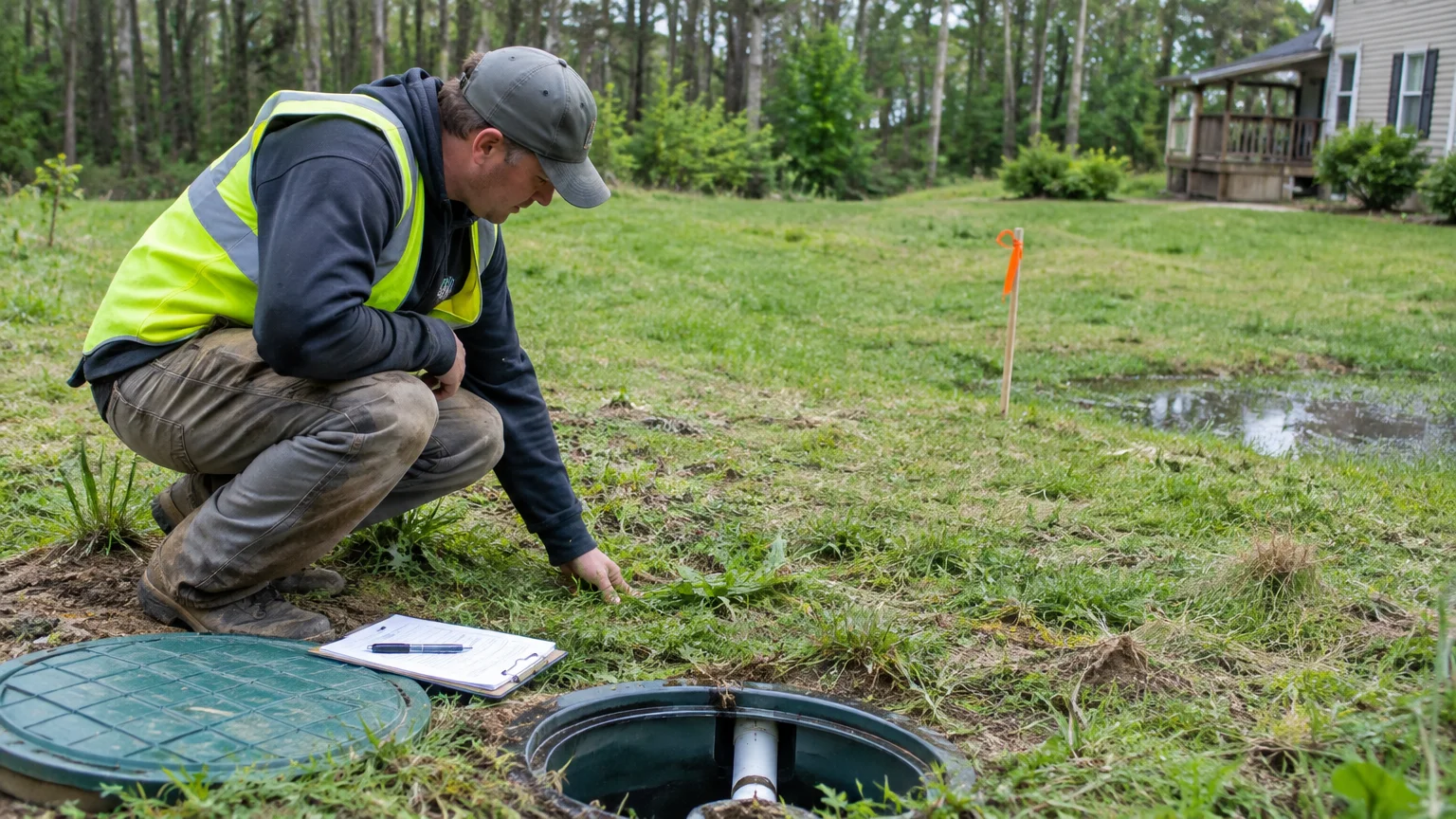
- What is a septic drain field, and what does its design do?
- What are the main types of septic drain field designs?
- Which warning signs can point to a failing drain field?
- What do drain field symptoms mean?
- What commonly causes drain field failure?
- What should you do when you notice drain field problems?
- When is a drain field problem urgent?
- How do professionals diagnose a drain field issue?
- How does drain field design affect repair or replacement options?
- How can you help prevent drain field failure?
- Key takeaways
- Frequently Asked Questions
- Conclusion
What is a septic drain field, and what does its design do?
A septic drain field spreads wastewater into soil for more treatment. People may also call it a leach field or leach bed. Its design sets where pipes or chambers go, how deep they sit, and how they spread wastewater from the tank.
How wastewater moves from the septic tank into the soil
Wastewater flows from the building into the septic tank first. Inside the tank, heavy solids settle at the bottom. Lighter material floats on top. The partly treated liquid then leaves through an outlet and moves toward the drain field.
Perforated pipes have small openings that let wastewater seep out. Some systems use open-bottom chambers instead. Both types spread liquid across a planned area. Soil below and around the field helps filter the wastewater as it moves through the ground.
The soil is part of the treatment system, not just a place for water to drain. If soil cannot take in enough water, or wastewater reaches the surface, the system may not work as planned. A drain field does not make household wastewater safe to touch. Keep people and pets away from any wastewater that comes up.
Why soil conditions and site layout influence the design
A designer needs to know how quickly the soil takes in water. They also need to know how deep suitable soil goes and where groundwater or rock may be. Land slope, nearby wells, buildings, trees, and water sources can affect where a field can go. Local health rules and permits help guide the final plan.
A perc test checks how quickly water moves through the soil. This test can help guide a design, but it is not the only thing that matters. Tank size, the number of people using the property, and daily water flow also play a part. There is no single plan that works for every property.
Tank depth and burial place vary from one site to another. Property owners should check records or ask a qualified worker rather than guess. Septic Tank Pump Jacksonville works with Jacksonville property owners who want to understand how the tank and field work together. Knowing the system layout can help make future care easier.
What are the main types of septic drain field designs?
Common drain field designs include trenches, beds, chambers, mounds, and other approved systems. The right choice depends on the land and local approval. No one design suits every site. Do not change an existing field without checking its plan and permit needs.
Conventional trenches and bed systems
A trench system has narrow rows of drain field pipes set in prepared soil. Wastewater moves along the pipes and seeps through openings into the soil. Several trenches may share the flow from one tank. A bed system spreads wastewater over one wider area instead of using separate narrow rows.
The best layout depends on the space and soil at the site. Trenches may fit some lots where a wide bed would not fit. A bed may work better for another land shape or design need. Both systems need suitable soil, working pipes, and care to keep heavy loads away.
The system plan shows where the trenches or bed sit. Keep that plan with other septic records. Avoid digging, adding structures, or changing land drainage near the field until you know where its parts are. Even a small change can affect access or how water moves across the site.
Chamber, mound, and alternative designs
A drain field chamber is a hollow structure below ground. It holds and spreads wastewater through its open bottom. Chambers can take the place of some gravel-based designs, but the right choice depends on the site and local rules. A chamber still needs suitable soil and proper installation. It cannot fix soil that drains poorly by itself.
A mound system raises the treatment area above the natural ground. It may suit a site where soil depth or water levels make a standard field hard to use. Other systems may have special filters or mechanical parts. Some use pumps or controls that need regular checks as part of maintenance.
The phrase drainfield for septic tank can describe any field linked to a tank. It does not name one exact layout. Find the approved plan before digging, planting, or planning work on the property. The design can affect later repairs. Any drain field install should follow local review and qualified design work.
Which warning signs can point to a failing drain field?
Slow drains, sewage odors, plumbing backups, wet ground, and sewage on the surface can point to a drain field problem. Other parts of the system can cause some of these signs too. One symptom does not prove the field has failed. Several signs together mean it is time to act.
Slow drains, sewage odors, and plumbing backups
A slow sink, tub, or toilet may have a clog in that fixture or its branch pipe. If several fixtures drain slowly at once, the problem may be farther along the plumbing or septic system. Gurgling sounds and repeated backups also deserve attention, especially when other warning signs appear.
Sewage odors near a building or outside can mean a vent, tank, pipe, or field needs a check. Smell alone cannot show which part has a problem. Do not lean over an open tank or try to look inside it. Septic tanks can hold dangerous gases, so trained workers should handle them.
Notice whether one fixture or many fixtures have trouble. Write down when the issue began and whether it comes back. These details can help a service provider decide what to check. Do not assume that every slow drain means the field needs repair.
Wet ground, unusually green grass, or sewage surfacing
A soggy patch over the field may mean water is not draining as expected. This can be a clue even during dry weather. Grass that looks much greener in one narrow spot can also point to a problem. Rain, shade, or watering may cause similar changes, so the place and pattern matter.
Sewage or dark, bad-smelling water on the ground is a serious warning. Keep people and pets away. Do not drive over the spot, mow it, or let children play there. Mark the area from a safe distance and arrange an evaluation.
In Jacksonville, heavy rain or wet soil may affect how a field works. Mention recent weather when you report the symptoms. A professional can consider both the site and the system when checking the cause. Do not walk through standing water that may contain wastewater.
What do drain field symptoms mean?
Drain field symptoms show that wastewater may not be moving into the soil as it should. They do not tell you the exact cause. A blocked pipe, full tank, damaged part, plumbing clog, or soaked ground can create similar signs.
How to distinguish a drain field problem from a plumbing or tank issue
A problem in one sink or toilet may come from a local plumbing clog. Trouble with many fixtures can point to a shared pipe or septic system issue. A tank with too much solid buildup may need service. Wet ground over a field may point to poor drainage or another problem. These signs offer clues, not a firm answer.
A professional may review service records, check accessible plumbing, and look at how the system works. Septic pumping may be needed if the tank condition calls for it. But pumping alone will not fix broken drain field pipes or make soil take in water again. The tank and field are parts of one system, so both may need review.
A useful check starts with the full picture. The timing of symptoms, tank condition, and recent water use can all matter. Tell the service provider what has changed and what you have already noticed. Do not arrange work based on one symptom alone.
Why one symptom alone cannot confirm system failure
A wet area may appear after a storm. A bad smell may come from a dry plumbing trap. Slow drains may be caused by a household clog. The time, location, and number of affected fixtures help narrow down the cause.
Write down when each sign began and whether it changes after rain or heavy water use. Photos taken from a safe distance may show if a wet patch is growing. Do not open covers, dig, or use drain chemicals as a test. These actions can create safety risks or make the issue harder to check.
You can safely observe what is happening without touching wastewater or opening the system. Note which rooms are affected and whether the problem comes and goes. Share those details with the professional. Leave tank checks, field testing, and buried pipe work to trained workers.
What commonly causes drain field failure?
Drain field failure can follow too much water, poor care, or soil that stays wet. Roots, vehicle weight, and design or building problems can also play a part. Several causes may happen at the same time. Have the system checked before planning a repair.
More likely causes: overloading, poor maintenance, and soil saturation
Too much water entering the system at once can put a heavy load on the tank and field. A leaking toilet, many laundry loads, or a large gathering may add more water than the system can handle. Fix leaks when safe and spread water-heavy chores across different days when possible.
Poor maintenance can let solids build up in the tank and move toward the outlet. Pumping needs depend on tank size, water use, and household habits. There is no one schedule for every property. Past service records can help a professional suggest a plan for the system.
Soil saturation means the ground has taken in a lot of water and drains more slowly. Rain or a high water level can make this worse. If the field is already wet, adding more water may place extra strain on it. Lower water use while waiting for the system to be checked.
Other causes: root intrusion, vehicle traffic, and design or installation problems
Roots may enter pipe joints or damaged pipes as they grow toward moisture. Cars and heavy equipment can press soil down or crush buried parts. Keep traffic off the field, even when the ground looks firm. Sheds, decks, and paved areas can block access or change how water flows.
A field that was placed or built poorly may not work well from the start. The property may also change over time. New building work, paving, or changes to drainage can affect the system. Keep the approved plan in mind before making changes near the tank or field.
If someone asks about septic tank designs or what size septic tank a home needs, the answer depends on approved plans, building use, and local rules. The tank alone cannot make an unsuitable field work. Tank and field plans need to suit the property as a whole.
What should you do when you notice drain field problems?
When drain field problems appear, use less water, protect the area, and arrange a qualified septic system check. Do not dig or try to fix buried parts yourself. Taking safe notes can help a professional find the cause without adding damage.
Reduce water use and protect the affected area
Pause laundry, long showers, and other heavy water use until the system is checked. Fix a running toilet or leaking tap if you can do so safely. Do not pour grease, wipes, or strong chemicals down drains. These steps do not repair a failing field, but they can reduce extra strain.
Keep children, pets, vehicles, and equipment away from wet or suspect ground. Do not cover the area with soil or try to pump water out of it. Surface water may contain germs. If sewage has entered a living space, keep people away from the wet materials and seek safe cleanup advice.
You can take these simple steps without a professional: limit water use, keep people away, and write down what you see. You do not need to open the tank or dig to do them. A professional is needed for system checks, testing, pumping, and repairs. Do not touch sewage or buried system parts.
Record symptoms and arrange a professional septic system evaluation
Write down what happened, when it began, which fixtures are affected, and whether rain or heavy water use came first. Note recent plumbing work or changes to the property. Find the system plan, tank records, and permits if they are easy to reach. Do not dig to find the tank; records or a trained locator are safer.
A septic professional can assess the tank, field, and signs you have noticed. Next steps may include septic pumping, a plumbing check, or more testing. The right service depends on what the check finds, not on one symptom by itself. Share your notes and records so the worker has useful background.
Septic Tank Pump Jacksonville can help property owners talk through warning signs and arrange a suitable evaluation. A professional can explain which checks may help and what the next step could be. A pump-out may help when the tank needs service, but it is not a repair for every drain field issue.
When is a drain field problem urgent?
A drain field problem is urgent when sewage backs up into a building or reaches the ground surface. These problems can expose people and pets to germs. Use affected plumbing as little as possible, stay away from sewage, and seek prompt professional help.
How to respond to sewage backing up or surfacing
If sewage backs up, keep people away from the affected rooms. Do not touch the liquid. Avoid flushing toilets or running taps unless a professional tells you to do so. If sewage is outside, keep a safe distance and stop pets from entering the area.
Do not wash sewage into a storm drain or nearby water. Tell the septic professional where the problem is, which fixtures are affected, and whether you can see wastewater. If water threatens electrical equipment, do not enter the area. Contact the proper utility or emergency service for help.
Never open a tank lid to check the system. Hidden openings can cause falls, and gases inside a tank can be deadly. Leave the tank and field to trained workers. Keeping a safe distance is the right first step.
Health and environmental risks of delaying action
Untreated wastewater may carry germs that can make people sick. Surface water can reach play areas, wells, ditches, or nearby water. Avoid contact with sewage, and make sure contaminated areas are handled safely. Children and pets may be more likely to touch or step into wet ground.
Even when sewage is not visible, repeated backups can harm floors and belongings. Waiting too long to get the system checked can let a small plumbing issue become a larger problem. The safe response is to limit water use, protect people, and find the source.
Urgent symptoms do not prove the drain field is at fault. They do mean the system needs quick attention. A blocked pipe or another issue may be the cause. A proper check can help show which part needs care.
How do professionals diagnose a drain field issue?
Professionals use records, tank checks, site clues, and tests to find a drain field problem. They look for the cause instead of assuming that every backup means the field has failed. The checks depend on the system type and the symptoms.
Reviewing system records, tank condition, and site symptoms
A service provider may ask for the system plan, permit details, past pumping records, and a history of symptoms. They may check parts of the tank that are safe to reach and look for signs of blockage or damage. If the tank needs pumping, that work may make some parts easier to inspect. It does not prove the field is working well.
The professional may ask about the people in the home, water use, plumbing changes, and recent storms. For a three-bedroom home, the bedroom count alone cannot set the tank need. Local rules, expected use, and the approved system plan matter too. Each property needs a plan that fits its use and site.
The same is true when people ask how deep a tank should be or how it is buried. Site plans and safe locating methods are better than guesses. Do not dig around the tank or field to check their location. Buried parts may be damaged, and an open tank is dangerous.
Assessing soil, drainage, and the existing drain field design
A provider can compare visible signs with the field layout and the way water drains across the site. They may check whether water flows toward or away from the field. They may also ask whether trees, traffic, or building work have changed the area. Soil checks or other tests may be needed when the cause is not clear.
The existing design matters because trenches, beds, chambers, and mounds work in different ways. A repair for one type may not suit another. Ask what evidence supports the findings and which options fit the approved plan. Clear answers can help prevent needless digging or work that does not fix the cause.
A good review looks at the tank and field as one system. It also considers water use and site conditions. Tell the provider if the land floods or stays wet after rain. These details may help guide the next check.
How does drain field design affect repair or replacement options?
Drain field design helps decide which repairs may work and whether a new field can use the same layout. A small problem may allow a limited repair. Poor soil, changes to the site, or wide damage may call for a new design. An evaluation is needed to choose the right path.
When a localized repair may be possible
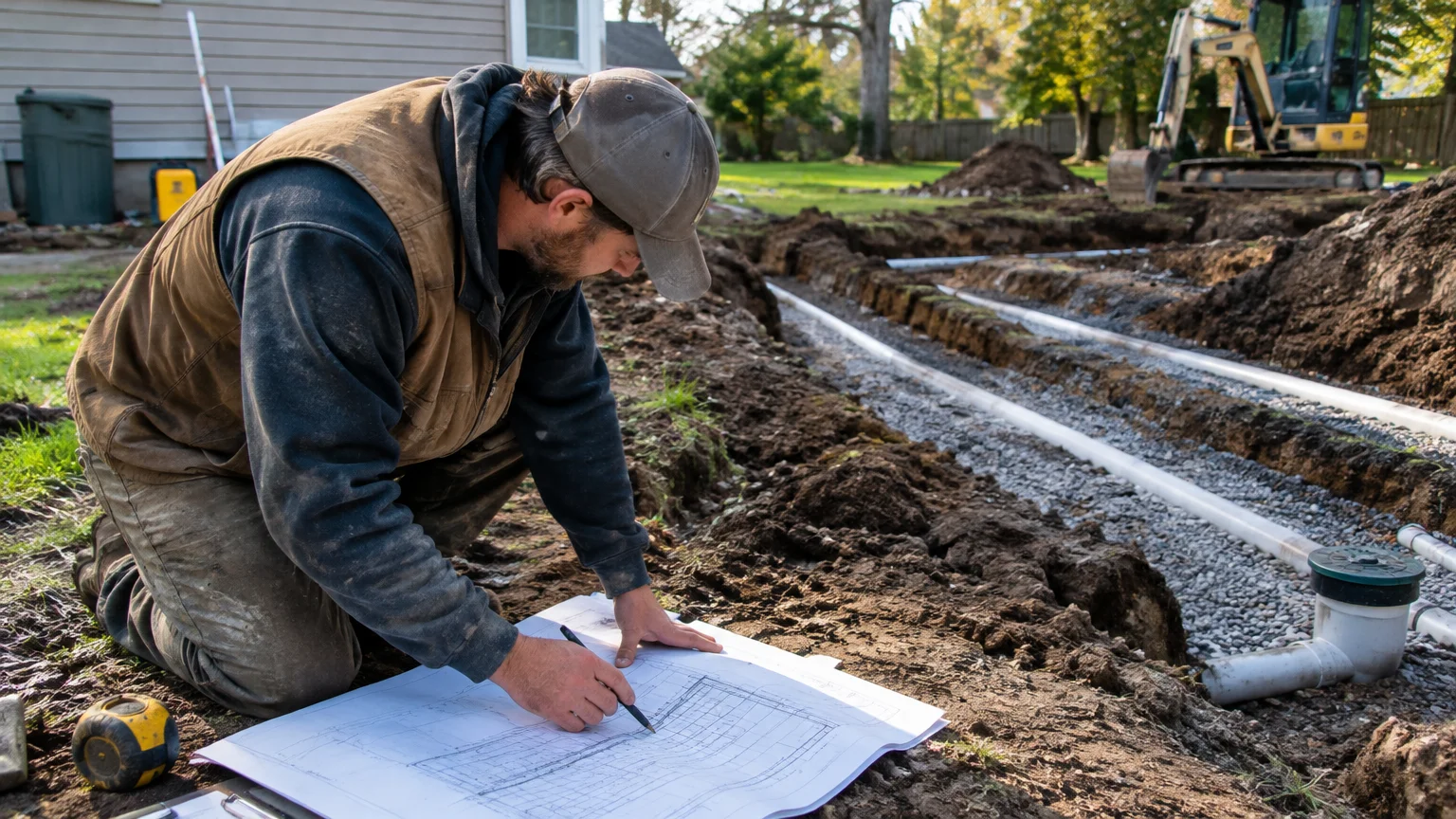
A limited repair may work when one problem is in a small area, such as a damaged pipe or a clear blockage. The system plan can help locate parts and protect areas that still work. A professional must check that the soil and the rest of the field can still handle wastewater safely.
Not every wet patch means the whole field needs replacement. But pumping a tank will not fix a collapsed pipe or soil that no longer takes in water. A careful check matters before any work begins. Ask which part failed, how the work will help, and what care the system will need afterward.
The planned repair should match the cause. If the cause is not clear, more checks may be needed first. Avoid digging based on a guess or covering a wet spot with soil. Those steps can hide signs or cause more damage.
When site constraints may require a redesigned system
A replacement may need a new layout if the old field has broad damage or the site has changed. The amount of open land, soil depth, slopes, trees, wells, and nearby buildings can limit the choices. Local approval may also require new plans or tests before work begins.
The cost to replace a drain field and the replace drain field cost depend on the site, system type, access, soil work, permits, and amount of damage. A small repair is often less involved than a full replacement. A new drain field install may need design work and site preparation. The final cost is confirmed on a quote after the property has been assessed.
Ask for a written work plan based on the findings. Compare what each plan includes rather than relying on a general estimate from somewhere else. Make sure the proposed design follows local rules and suits the property. The right choice depends on the site, not only on the old system layout.
How can you help prevent drain field failure?
Careful water use, regular tank care, and protection of the field can help avoid some problems. These steps cannot prevent every failure, especially when soil or old damage is involved. Still, steady maintenance can help the system stay within its design limits.
Use water carefully and keep vehicles, roots, and structures away
Fix leaks and spread laundry across the week instead of sending a large rush of water into the system. Use toilets and drains for waste and toilet paper only. Grease, wipes, medicines, and strong cleaners can harm or block parts of the system. Small daily choices can help protect pipes and tank function.
Keep cars, trailers, sheds, pools, and heavy tools off the drain field. Do not plant trees or large shrubs nearby unless a qualified worker confirms a safe spot. Keep roof drains and surface water from flowing across the field. These steps help protect soil and buried pipes from pressure and extra water.
Know where the field sits before doing yard work or adding a structure. Use the site plan if one is available. If you cannot find the field, ask a qualified professional to help locate it. Do not probe the ground or dig at random.
Follow a septic inspection and pumping schedule suited to the system
Have the system checked and pumped as needed for its tank size, use, and condition. A professional can help set a plan based on service records and inspection results. Keep a file with service dates, repairs, permits, and a site plan. These records help a future owner or provider understand the system.
Before buying a home, ask where the tank and field are, which design was approved, and when the system was last checked. If the location is unknown, use records or qualified help instead of digging. Owners can also ask Septic Tank Pump Jacksonville what information to gather before a septic service visit.
Maintenance does not mean doing risky work yourself. You can use water carefully, watch for changes, and keep the field clear. Tank checks and pumping should be done by trained workers. Ask for advice that fits the system on your property.
Key takeaways
- A drain field spreads wastewater into suitable soil for more treatment.
- Soil, land shape, tank condition, and water use guide the design.
- Slow drains, odors, wet ground, and backups are clues, not proof of failure.
- Sewage indoors or on the ground needs quick action and a safe distance.
- Use less water, protect the field, and arrange a qualified check before repairs.
Frequently Asked Questions
What is the difference between a leach field and a drain field?
These are common names for the soil treatment area linked to a septic tank. Some places or service providers use one name more often. Both terms describe an area that spreads wastewater into suitable soil. The layout may use trenches, a bed, chambers, or another approved design.
How deep should a septic tank be buried?
There is no one depth for every septic tank. Burial depends on the approved design, land grade, tank type, pipe slope, and local rules. Do not uncover or expose a tank by digging based on a guess. Check the system records or ask a qualified professional to locate it safely.
How can someone find a buried septic tank?
Start with property records, permits, or a system plan. These may show where the tank and field are. If the records are missing, a septic professional can use safe locating methods. Do not probe or dig at random. Buried pipes and lids can be damaged, and an open tank is a serious safety risk.
What size septic tank does a three-bedroom house need?
Bedroom count can help guide planning, but it does not give the full answer. Local rules, expected water use, building type, and drain field design also matter. Use the approved plan or ask the local permitting office and a qualified septic professional before changing a system.
Can a drain field be repaired instead of replaced?
Sometimes a small repair can fix an isolated pipe problem. A field with wide damage or poor site conditions may need larger work or a new design. Inspection and testing help show which option fits. Pumping a tank alone will not repair a damaged or failing field.
Conclusion
Drain field designs differ, but every working system needs suitable soil, sound parts, and careful use. Backups, odors, and wet ground deserve attention, especially when several signs appear together. Keep people away from sewage, use less water, and do not dig or drive over the field.
For help understanding septic symptoms or arranging an evaluation, Contact us at Septic Tank Pump Jacksonville. Share what you noticed and any system records you have so the next step can fit the property.
If you are not sure what you are dealing with, it is worth having someone look at it before it turns into a bigger job. Get in touch with Septic Tank Pump Jacksonville today and we will tell you where you stand.