For a concrete septic tank, the work needed, tank size, access, and system design shape the quote. A simple septic pumping visit differs from service involving buried lids or extra parts. The phrase septic tank price concrete may mean a tank purchase or service on an existing tank. The final cost is confirmed in a quote after the job is reviewed.
Table of Contents
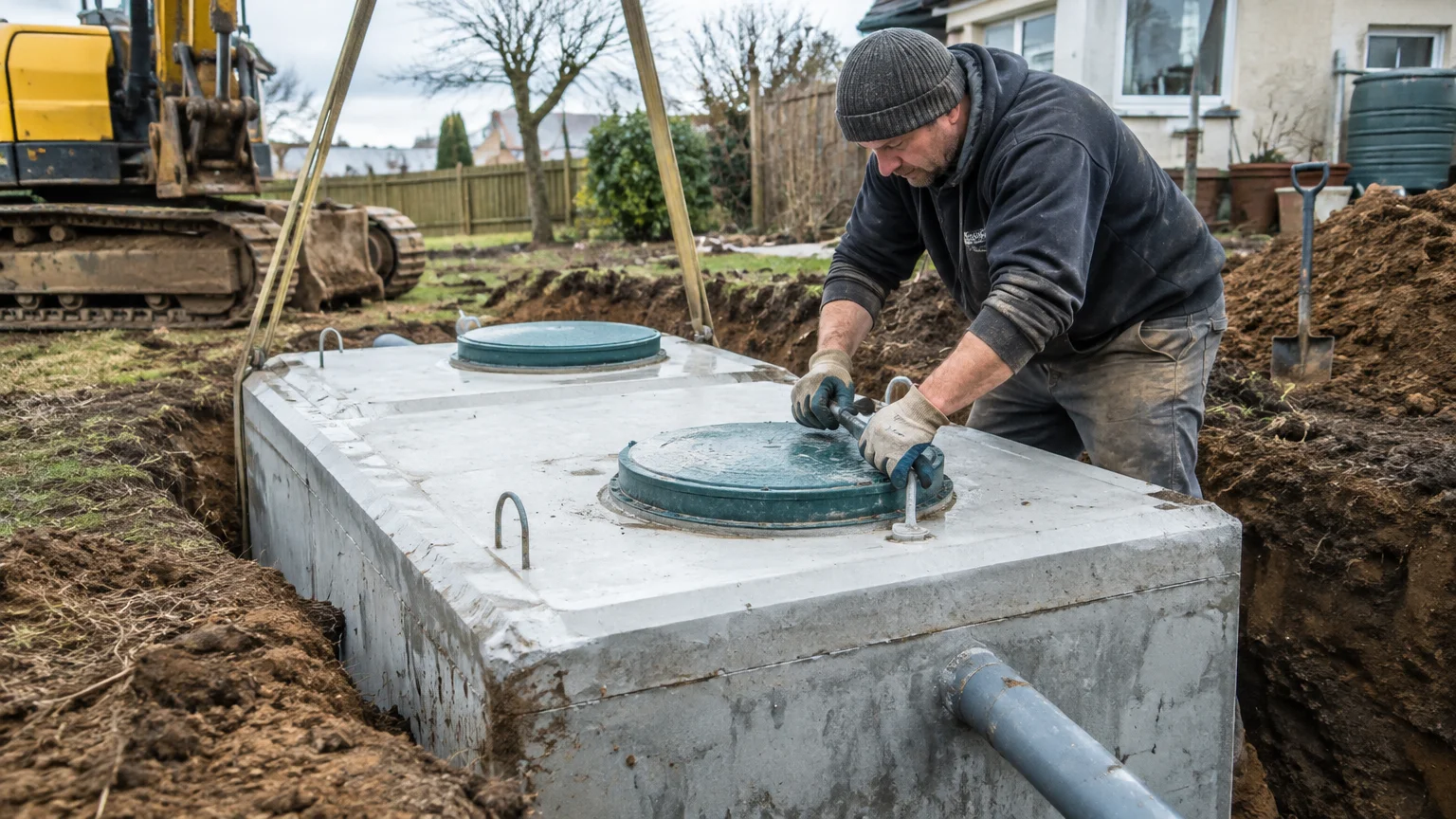
- What affects the price of a concrete septic tank?
- How does concrete tank size affect the total cost?
- How do access and tank location change the price?
- How does system type affect concrete septic tank pricing?
- How does location affect septic tank service costs?
- What should a concrete septic tank pumping quote include?
- When should you request a quote for concrete septic tank service?
- Frequently Asked Questions
What affects the price of a concrete septic tank?
Tank size, system design, access, and needed work all affect the quote. An easy-to-reach tank in good shape is often more direct to service. Buried lids, damaged parts, or tight access may mean more work. A quote should reflect the actual job, not just the tank material.
Tank size, capacity, and household needs
Tank size matters because it helps the provider plan the work. Capacity means how much the tank can hold. A larger tank may need more pumping and handling than a smaller one. Still, size alone does not tell the whole story. Household size, water use, and service history can also matter.
A septic tank holds wastewater from a home or building. Solids settle inside while waste starts to break down. The tank is one part of a septic system. Pipes and a drain field are other parts. Knowing the tank capacity can help plan service, but do not guess from household size alone.
Material, condition, and system design
Concrete tanks are heavy, strong structures, but age and condition still matter. Cracks, shifting, damaged lids, or other wear may call for more than routine pumping. The provider may need to assess the tank before saying what work is right.
The phrase septic tank price concrete can mean the cost of a new tank or service for an existing one. Those are different jobs. Septic tank replacement is not the same as pumping a tank. The work can vary a lot. If damage is suspected, ask what the quote covers and whether a separate repair or replacement review is needed.
At Septic Tank Pump Jacksonville, property owners can discuss the system and site before service. In Jacksonville, owners can gather tank records and describe known problems when asking for an assessment. This gives the provider useful details. It does not replace a review of the job.
How does concrete tank size affect the total cost?
Tank capacity can affect the time, tools, and handling needed for service. A larger tank may take more work to pump than a smaller one. The quote should also consider access, system type, and tank condition. Capacity by itself does not explain every part of the job.
How tank capacity is determined
Tank capacity may be listed in property records, installation papers, or past service notes. If records are missing, a provider may be able to identify the tank during an assessment. Do not open the tank or climb inside to check its size. Septic tanks can hold harmful gas and create unsafe conditions.
The number of people in a home can help explain system use. It does not prove the tank’s capacity. For example, the right tank for a three-bedroom home depends on local rules, system design, and the property. A septic professional or local health department can help owners find records or learn about requirements.
Knowing tank capacity can help when comparing quotes. It lets the provider plan the work and explain why one job may need more handling. If you do not know the size, say so when arranging service. Do not estimate it from the number of bedrooms.
Why larger tanks can require more pumping and handling
A larger tank can hold more waste, so it may mean more material to remove. The amount inside on the service date also matters. Buildup or other problems may need further review. The work cannot be judged by tank size alone.
Ask whether the quote covers pumping and handling the removed contents. If the provider finds damage, ask what extra work may be needed. Also ask whether that work will be described separately. This helps you understand the planned service before it starts.
Septic pumping is routine care, but it cannot fix every problem. Slow drains, sewage smells, or wet ground near the drain field may point to trouble elsewhere. Tell the provider about these signs. That helps them consider the full system.
How do access and tank location change the price?
The tank location affects how easily a service vehicle and tools can reach it. Clear, safe access can make the work more direct. Buried lids, long distances, obstacles, or soft ground may add work. These details can change what the quote needs to cover.
Distance from the service vehicle
A service vehicle needs a safe place to stop and connect its tools. When it can park near the tank, setup may be easier. If the tank is far from a safe parking spot, the provider may need another setup or more time to reach it.
Before service, share what you know about gates, narrow drives, slopes, low branches, and other limits. Do not move heavy items or try to uncover a lid without guidance. The provider can explain what access is needed and whether the site may cause a problem.
Tenants should ask the owner or manager where the tank is and who can approve the work. New owners and investors can check inspection reports and service records before arranging a visit. These steps can help prevent delays. They also make the planned work easier to understand.
Buried lids, landscaping, and difficult site conditions
Soil, paving, or landscaping over a tank lid can make it harder to find and reach. Plants, fences, stored items, or other objects may also block the work area. Tell the provider if you think the lids are buried. Do not start clearing or digging without advice.
Property plans, installation papers, or past service notes may show where a buried tank is located. A provider may also help find it during an assessment. Do not dig based on a guess. Pipes and other utilities may be nearby. Never enter a tank or lean over an open tank opening.
Weather and soil can affect access, too. Wet or soft ground may limit where a heavy vehicle can safely travel. Jacksonville properties can have different layouts and site conditions. A clear description or site review is more useful than a broad estimate.
How does system type affect concrete septic tank pricing?
System design affects what a pumping visit needs to cover. A basic setup may be more direct than one with extra tanks, pumps, filters, or controls. The provider should name the parts included in the service. They should also explain if another part needs separate attention.
Conventional systems and multi-compartment tanks
A conventional septic system sends wastewater to a tank and then to a drain field. A multi-compartment tank has divided areas that help separate waste. The design can affect where access points are and what the provider needs to check or pump.
You do not need to know every technical detail before you ask for help. Share any plans, inspection reports, or past service notes that you have. If you do not have records, say so. This helps the provider account for an unknown system design.
The tank is only one part of the system. A drain field spreads wastewater into the soil. If the field is wet, smells bad, or has unusually green growth, mention it. These signs do not prove the tank has failed. They may mean the full system needs a review.
Pumping needs for systems with additional components
Some systems have pumps, filters, alarms, or other parts that need attention beyond tank pumping. A septic system pumping visit may cover only the work written in the quote. Ask whether checks or service for extra parts are included or separate.
Do not switch off alarms or open electrical equipment to inspect the system. You can safely note warning lights, sounds, or changes in plumbing. Then share what you notice with a professional. An alarm or warning light may point to a pump problem or high water. Ask for prompt professional help.
If your system has a pump chamber, the provider may need to know its purpose before planning the visit. Ask which parts will be handled. Also ask what happens if a part appears damaged. Clear answers help you compare the work in different quotes.
How does location affect septic tank service costs?
Local conditions can change the work needed and the final quote. Travel, disposal needs, site access, local rules, and system type all matter. Service needs can differ between communities. A quote based on the property and job is more useful than a general figure.
Regional labor, disposal, and operating factors
Septic providers have different operating needs in each area. Local workers, fuel, tools, and approved ways to handle waste can shape the work. The distance to an approved disposal site may matter as well. These are some reasons a quote for one property may not fit another.
Septic rules can differ between states and local areas. Ask the local health department about permits, inspections, or system records. A provider can explain what the quote includes. They can also tell you if another local rule may apply.
Do not rely on a broad online estimate for a specific property. The provider needs system details, the location, and the work requested. Ask for the scope in writing. This makes it clear what is covered and what may need a separate review.
Local site conditions and service requirements
Soil, slope, access, and system age can vary across Jacksonville, from Riverside and Mandarin to nearby communities. A home in a busy neighborhood may have different access limits from a rural property. These details can affect the tools and planning needed for service.
When asking about septic tank pump services, describe the property and known limits. Say whether a vehicle can reach the tank and whether the lids are visible. Mention any damage found during a recent inspection. In Florida, local rules may also affect repairs or replacement.
If the tank may need replacement, say so at the start. Septic tank replacement is a different job from pumping. It may involve permits, digging, a site review, and other work. A provider needs to assess the system before describing the work or confirming a quote.
What should a concrete septic tank pumping quote include?
A clear quote should describe the work, the tank or system covered, and any known limits. It should say whether pumping is included and what access is expected. It should also explain how extra work will be handled. The final cost is confirmed in a quote after the job details are reviewed.
Scope of service and what the quoted work covers
The quote should name the planned service and say which tank or system parts are included. It should explain whether the work is pumping only or includes checks of listed parts. Ask what happens if the tank cannot be reached or has an unknown layout.
A clear quote makes it easier to compare septic system pumping services. Compare the work included, not just the amount shown. One quote may cover pumping only, while another may include extra checks. If the words are unclear, ask the provider to explain them before you agree.
The quote should explain what happens if the provider finds a problem outside the planned work. A damaged lid or failing part may need a separate repair plan. Ask whether extra work will be discussed before it begins. This helps you make an informed choice.
Conditions that may change the final quote
The quote may need to change if the site is different from what you described. Buried lids, blocked access, unknown tank size, or extra system parts can change the work. The provider should explain why the plan changed. They should confirm the new scope before moving ahead.
Share service records, inspection reports, and known problems when you request an assessment. Tell the provider if the tank has not been serviced for a long time. Also mention slow drains or an active warning alarm. These details help with planning, but they do not replace a site review.
The final quote should match the work you agreed on. Keep a copy with your property records, especially when buying, selling, renting, or managing a home. Clear notes help future owners understand when service took place. They can also show what the provider found.
When should you request a quote for concrete septic tank service?
Ask for an assessment when service is due, records are missing, or the system shows signs of trouble. Do not wait for a backup before asking about maintenance. A provider can review the details, discuss the work, and confirm the quote for your property.
Signs that a tank may need attention
Slow drains throughout the home, sewage odors, wastewater backups, or wet ground near the tank or drain field may signal a problem. These signs can have more than one cause. They do not prove pumping alone will solve it. Explain what is happening and when it began.
You can safely watch for changes in plumbing, alarms, or odors. Do not open a tank, enter a small enclosed space, or dig around the system. Septic tanks may contain dangerous gas and germs. Leave tank access and system checks to a trained professional.
If sewage backs up into the home, limit water use and seek professional help promptly. Keep people and pets away from affected areas. A routine visit may not be enough during a backup or system failure. Describe urgent signs when asking for help. Emergency pumping or 24/7 service may be needed, depending on the problem and provider availability.
Information to gather before requesting an assessment
A few details can help a provider understand the job. Owners, tenants, or managers can gather records and describe what they know. There is no need to inspect the tank yourself.
- The tank location, if known, and whether the lids are visible.
- Tank size, installation, or system details found in property records.
- The last pumping or inspection date, if that information is available.
- Current signs, such as slow drains, odors, alarms, or wet ground.
- Access limits, including gates, slopes, parking, and landscaping.
Key takeaways
- Tank size, access, system type, and location shape the planned work.
- Pumping is different from repair or septic tank replacement.
- Keep records and report warning signs when requesting service.
- Let a trained professional handle tank access and checks.
- The final cost is confirmed in a quote after the job is reviewed.
Conclusion: Concrete septic tank service can involve different work from one property to another. A clear description of the tank, site, and warning signs helps the provider assess the job. Septic Tank Pump Jacksonville can discuss service needs and explain what details may help. Contact us to discuss your concrete septic tank service needs.
Frequently Asked Questions
What is a concrete septic tank?
A concrete septic tank is a buried container that holds wastewater from a home or building. Solids settle inside while wastewater moves to the next part of the system, often a drain field. The tank needs safe access and care from a trained professional. Use records rather than opening or entering it.
How deep is a septic tank buried?
There is no one depth for every septic tank. Depth depends on the system design, property, and installation. Check building or septic records first. You can also ask a qualified provider to help locate it. Do not dig based on a guess. The tank, pipes, or other buried utilities may be nearby.
How can a homeowner find a buried septic tank?
Start with property plans, installation records, inspection reports, or notes from past service. If those do not show the location, a septic professional may help find it. Do not probe the ground or dig without guidance. A guessed spot could damage pipes or create a safety risk.
What size septic tank does a three-bedroom home need?
The right tank size depends on local rules, system design, household use, and site conditions. Bedroom count may be one factor, but it should not be the only guide. Check local health department requirements and property records. A qualified septic professional can also review the system.
What is the cost to replace a septic system?
Replacement is usually a larger job than pumping. It may involve a site review, permits, digging, and new system parts. The work depends on the tank, drain field, soil, access, and local rules. A provider must assess the property before explaining the scope. The final cost is confirmed in a quote.
If you are not sure what you are dealing with, it is worth having someone look at it before it turns into a bigger job. Get in touch with Septic Tank Pump Jacksonville today and we will tell you where you stand.