Septic tank system installation cost depends on the property, system design, tank size, and site work. Soil, equipment access, local rules, and materials also shape the project. A site review helps show what system may fit and what work belongs in the final quote for a Jacksonville property.
A new septic system is a large project to plan, especially when a home relies on it. The first step is learning what the land needs, rather than picking a tank by size alone. The system must fit the soil, property, household use, and local approval rules.
Septic Tank Pump Jacksonville can help property owners understand the steps involved in planning an installation. Each site is different, so the sections below explain common cost factors and useful questions to ask before agreeing to a quote. You can also learn more about Septic services.
Table of Contents
- What determines septic tank system installation cost?
- How does tank size affect installation cost?
- How does property access affect installation cost?
- How does septic system type affect installation cost?
- How does location affect septic installation cost?
- What should a septic installation quote include?
- When should you get a quote for a new septic system?
- Key takeaways
- Frequently Asked Questions
- Conclusion
What determines septic tank system installation cost?
Septic tank system installation cost depends on the land, system design, tank, equipment access, and local rules. A site review helps find these needs before work starts. The final cost is confirmed on a quote based on the property and planned work.
How do site conditions and soil affect the project?
Soil affects how wastewater moves from the tank into the drain field. A drain field is the area where treated wastewater moves into the soil. A trained worker checks the ground and site to see whether they can support the planned system.
Some sites have shallow soil, steep slopes, poor drainage, or little room. These limits may mean more site work or a different design. A perc test, also called a percolation test, checks how fast water moves through soil. Local officials may ask for soil or site tests before they approve a system.
A buried tank may be hard to find when property records are missing. Owners can look for old site plans or permits, but should not dig to search. A professional can help find the old system and check the site safely. This can also help when planning septic tank replacement.
What parts of the installation contribute to the overall cost?
The project may include planning, soil tests, permits, digging, a tank, pipes, a drain field, installation, and site repair. Work may also include taking out an old system or dealing with ground issues found during digging. The property and approved design decide which tasks are needed.
The quote should state what is included and what is not. For example, fixing a lawn or driveway may be separate from septic system work. Property owners can ask Septic Tank Pump Jacksonville to explain how each site issue changes the work plan.
How does tank size affect installation cost?
Tank size affects materials, digging, and the space needed for installation. The right size depends on expected use and local design rules, not only how many people live in the home. A qualified worker can review the property and help select a suitable tank.
How do household size and water use shape tank requirements?
Household size is one place to start, but daily water use matters too. A home with many guests or frequent laundry may use more water than a home with the same number of people. The design may also need to allow for future changes in how the property is used.
A septic system collects and treats wastewater from a building. The tank holds solids while liquid flows toward a drain field for more treatment in soil. The tank and drain field must work together. Choosing a tank without planning the drain field can lead to a poor fit.
Share clear details about the home and expected use during planning. This helps the designer think about household size, water use, and possible additions. Local rules may set tank or design needs, so a professional should check what applies in Jacksonville.
Why can a larger tank change excavation and installation needs?
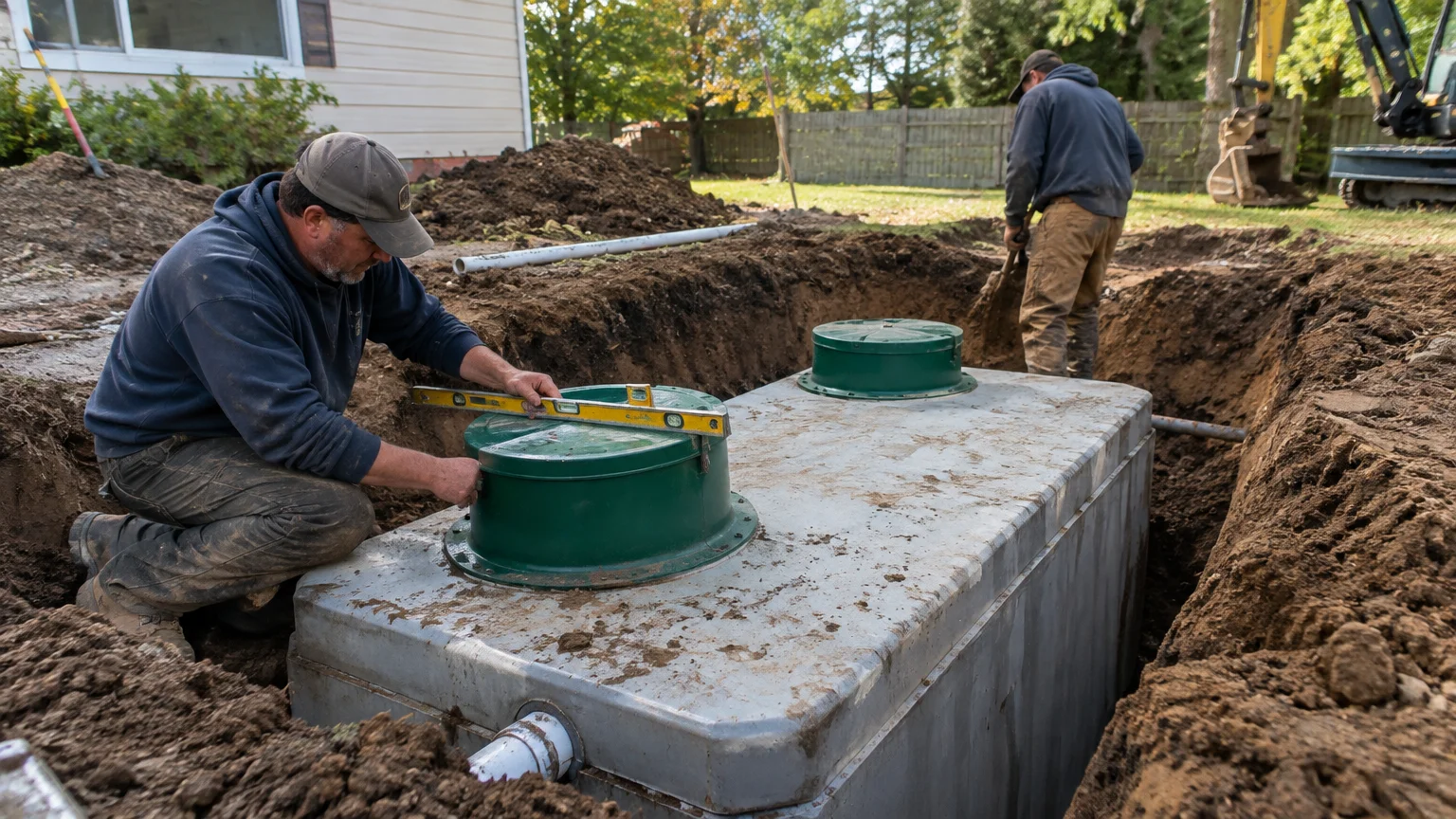
A larger tank may need a wider or deeper hole and more room for equipment. Its size and weight can also affect delivery and placement. The amount of digging and yard repair depends on the tank, ground, and path to the work area.
The depth of a buried tank depends on its design, the site, and local rules. Its place and depth should be written down so it can be found later. A septic tank riser is an extension that brings an access opening closer to the ground. This can make checks and service easier.
Owners should not dig, open, or clean a septic tank themselves. They can keep cars and heavy loads off the tank and drain field. They can also watch for signs of trouble and keep service records. Trained workers should handle tank work and installation.
How does property access affect installation cost?
Property access affects the equipment and time needed for the installation. A clear path makes it easier for machines to reach the work area. Tight turns, fences, trees, slopes, and nearby buildings may limit where equipment can go.
What happens when equipment has limited access to the site?
If large machines cannot reach the site, the plan may need different equipment or extra handling. A narrow gate, small yard, or nearby building can make digging harder. The installer should check the route before work begins and explain any access limits in the quote.
Owners can point out gates, buried utility lines, wells, trees, and other features. They should also mention known easements or rules for reaching the work area. An easement is a legal right to use part of a property for a set purpose, such as reaching a work site.
Do not move fences or cut trees before checking what the work needs. Early changes may not solve the access problem and could create more work. A site visit helps the installer find safe and useful options first.
How can distance, slope, and landscaping affect the work?
A long path from the road to the work area may affect equipment and material delivery. A steep slope can change where the tank or drain field can go. Landscaping, patios, walls, and driveways may need care or repair during the project.
The house, tank, and drain field locations matter as well. Pipes need a suitable path, and the design must fit the available land. Local rules may affect placement near a well, property line, or water feature.
Before work starts, ask which areas may be disturbed and how the site will look when the job is done. Owners can take pictures of the yard and existing features. These pictures give everyone a simple record to review after the work.
How does septic system type affect installation cost?
System type affects the design, materials, installation steps, and future care. A conventional system may work on some properties, while hard soil or space limits may call for another approved design. A site and soil review helps show which choices may suit the land.
How do conventional and alternative systems differ in complexity?
A conventional septic system usually has a tank and drain field suited to the site’s soil. An alternative system uses another design or treatment method when a standard layout will not work or local rules call for a different plan. The land and approval rules guide the choice.
Some systems have extra parts to move or treat wastewater. These parts may change the installation work and future care. Ask what each part does, how it is checked, and whether it needs power or regular service.
The simplest-looking choice is not always the right one. A system must fit the land and meet local rules. Ask the designer why they recommend that type and what care it may need later.
When might a property need a system designed for challenging conditions?
A property may need a special design if soil drains poorly, space is limited, the ground is steep, or groundwater sits near the surface. A high water table means groundwater is close to the ground. Local officials and trained workers can say which designs are allowed.
These issues do not always mean a property cannot have a septic system. They may mean the design needs extra parts or a different drain field layout. A failed perc test may lead to more review, but the result should be explained for that property and local rules.
Do not assume an old system can be replaced in the same spot. Property use, rules, and ground conditions may have changed. A new review can help show whether repair, septic tank replacement, or another design is the right next step.
How does location affect septic installation cost?
Location affects installation through soil, weather, local rules, permits, and access to materials. Rules can differ between nearby towns and counties. The installer should check the requirements for the property before planning the work.
How can local soil, climate, and regulations influence the project?
Soil and weather affect how the site handles wastewater and when work can happen. Heavy rain or wet ground can change access and digging plans. A designer looks at these details along with the slope and soil test results.
Local health offices or other authorities may review plans, inspect work, or issue permits. They may set rules for tank placement, drain fields, and distance from wells or property lines. Ask who will handle each approval and when it is needed.
Rules can change, so an old permit or plan may not show what is allowed now. Property owners in Jacksonville should check the rules for their own site instead of relying on another property’s design. Septic Tank Pump Jacksonville can explain which steps may be part of the project plan.
Why can material availability and permitting requirements vary by area?
Some materials or system parts may be easier to get in one area than another. Delivery distance and system design can affect planning and timing. The quote should name the main materials and explain any wait for parts needed for the work.
Permits also depend on the area and system type. One authority may ask for more soil checks, while another may need different papers or inspections. The project team should explain which approvals are needed and who will send in the paperwork.
Ask whether the quote includes permit work, permit costs, inspections, and changes requested during review. Also ask what happens if an authority asks for a design change. Clear answers help owners compare the work included, not just the system name.
What should a septic installation quote include?
A septic installation quote should explain the planned system, site work, materials, permits, and included tasks. It should also name exclusions and explain how changes in site conditions will be handled. The final cost is confirmed on a quote for that property and scope of work.
Which planning, permits, materials, and installation tasks should be itemized?
The quote should explain the main steps, from site review through installation. It should name the tank and system type, digging, pipes, drain field work, inspections, and any planned removal of an old system. If yard or surface repair is included, the quote should say so.
Owners can check whether the quote covers:
- Site and soil review, including tests that may be needed.
- Design work, permit papers, and required inspections.
- The tank, pipes, fittings, and other planned system parts.
- Digging, tank placement, connections, and site repair.
- Removal or care of an old system, if needed.
The list should fit the property and known site conditions. If a task is missing, ask whether it is included before agreeing to the quote. A clear work plan helps the owner understand what the installation team expects to do.
What exclusions and site conditions should property owners clarify?
Ask what could change the work, such as hidden rock, buried utilities, poor soil, or an old tank found during digging. The quote should explain how the team will discuss extra work before doing it. Ask who will find private utility lines, too.
Check whether the quote includes permit costs, inspections, yard repair, and work on driveways or fences. Different people may handle these tasks. Asking early can prevent confusion once the installation starts.
A good quote should also explain the care the system may need. Ask which parts need regular checks and how to arrange septic pumping. Maintenance includes careful water use, keeping heavy loads off the drain field, and following the maker’s care advice. Pumping needs vary by system and household, so a professional can help set a plan. Emergency pumping may be needed if wastewater backs up, but a worker should first check the cause.
When should you get a quote for a new septic system?
Ask for a quote early when buying land, building, adding to a home, or dealing with a failing system. Early planning leaves time for a site review, design, permits, and changes if the first plan does not fit. Do not wait for a backup to ask about replacement.
What property or project changes make early planning important?
A new home, added bedroom, change in property use, or planned lot split can affect septic needs. A system that worked for one use may not suit a larger home or business. Check with local officials before work that could change wastewater use or system location.
Sewage smells, wet ground near the drain field, or slow drains across the home need prompt attention. These signs do not prove that the tank needs replacement. A worker can inspect the system and explain whether pumping, repair, or a new installation may be needed.
When buying a home, ask for septic records and find out where the tank and drain field are. Do not assume the system is sound because the yard looks dry. A professional review can help explain its condition and possible next steps.
What information should you gather before requesting a site assessment?
Gather property plans, old permits, inspection notes, and records of past septic work. Note the home’s size, expected use, planned additions, and known water or drainage issues. These details help the worker understand the project before visiting.
If a tank is already there, share what you know about its location and service history. Do not open it or dig to find it. A septic tank can hold dangerous gas, and its cover may not be safe to handle. A trained worker should find and inspect it.
The site review should explain likely system choices, tests or permits that may be needed, and anything still unknown. Ask how the design fits the soil and property. This gives owners a clear base for reading the written quote.
Key takeaways
- Soil, tank size, system type, access, and local rules shape the work.
- A site review helps match the system to the land and expected use.
- A quote should list tasks, materials, permits, and work not included.
- Owners can protect the drain field but should not dig or open a tank.
- Early planning helps with building, home purchases, and system replacement.
Frequently Asked Questions
What is a septic tank?
A septic tank is a sealed container that collects wastewater from a home or building. Solid waste settles inside, while liquid flows toward a drain field for more treatment in soil. The tank is one part of a larger system, so its size and place must fit the property and expected use.
How deep is a septic tank buried?
There is no one depth for every septic tank. Its position depends on the design, property, and local rules. Owners can check site plans or permit records to find its location. If records are missing, a professional should locate it; owners should not dig to search.
What is a septic tank riser?
A septic tank riser is an extension fitted over an access opening. It brings the opening closer to the ground, which can make checks and service easier. A professional can say if a riser suits the tank and fit it safely. Owners should not open a tank themselves.
How can someone find a buried septic tank?
Start with property records, permits, and old site plans, which may show the tank and drain field. If those records are missing, a septic worker can help find the system with proper tools. Do not probe or dig, since buried pipes, utility lines, and tank covers can be dangerous.
When should a septic tank be pumped?
Pumping time depends on tank size, household use, system condition, and local advice. No single schedule works for every property. A septic worker can check the tank and suggest a plan. Keep service records, watch for trouble, and do not wait for a backup.
Conclusion
A new septic system must fit the property, its soil, and how the building will be used. Tank size is only one part of the plan. Access, system type, local permits, and site repair can also shape the work and final quote.
Gathering property records and arranging a site review early can make choices clearer. Septic Tank Pump Jacksonville helps property owners understand installation needs and next steps. Contact us to discuss a site assessment for your property.
If you are not sure what you are dealing with, it is worth having someone look at it before it turns into a bigger job. Find out more about our septic tank installation and replacement in Jacksonville. Get in touch with Septic Tank Pump Jacksonville today and we will tell you where you stand.