Septic tank smells may come from a dry plumbing trap, blocked vent, full tank, clogged pipe, or drainfield problem. A mild outdoor smell may need simple upkeep, but sewage indoors, standing wastewater, or strong gas odors need quick action. Limit exposure and arrange an inspection if the smell continues.
Table of Contents
- What Do Septic Tank Smells Usually Mean?
- Why Does My House Smell Like a Septic Tank?
- What Causes Septic Tank Smells Outside?
- Can a Full Septic Tank Cause Bad Smells?
- Could a Blocked Pipe or Septic Clog Be Causing the Smell?
- What Should You Do When You Notice Septic Tank Smells?
- How Can You Tell Whether Septic Odours Are a Health Risk?
- When Are Septic Tank Smells an Emergency?
- How Do Professionals Find and Fix the Source of Septic Odours?
- How Can You Prevent Septic Tank Smells in the Future?
- Frequently Asked Questions
What Do Septic Tank Smells Usually Mean?
Septic tank smells usually mean sewer gas or wastewater is escaping. The source may be inside the home, near the tank, by a cleanout, or over the drainfield. The smell alone cannot show the exact cause. Its location and timing give better clues.
A septic system treats household wastewater in an underground tank and drainfield. The tank holds solids, while liquid moves into the drainfield. The soil helps treat that liquid. A healthy system may have a light earthy smell outdoors. It should not create a strong, lasting sewage odor near living spaces.
How can normal odors differ from warning signs?
A short smell near an open access point may happen during service or after heavy water use. Warm weather, wet soil, and wind can also make outdoor smells easier to notice. These smells should fade. They should not come with slow drains, wet ground, or sewage.
Warning signs include a rotten-egg smell indoors, repeated smells near drains, gurgling toilets, slow fixtures, or wastewater on the ground. A strong smell near the tank may also point to a loose lid, bad seal, blocked vent, or tank that needs service.
Where is the smell coming from?
Start by checking where the smell is strongest. A bathroom drain may point to a dry trap. A roof vent may be blocked. A smell near the tank may involve the lid, inlet, outlet, or tank level. A wet, foul patch near the drainfield may mean the soil cannot take wastewater well.
Septic Tank Pump Jacksonville helps Jacksonville property owners sort these clues. Local help can be useful for homes, rentals, businesses, and properties being prepared for sale. An early check may prevent a small problem from causing wider damage.
Why Does My House Smell Like a Septic Tank?
A house may smell like a septic tank when a plumbing trap dries out, a vent blocks, or wastewater cannot leave the building line. The simple cause is often an unused sink, shower, floor drain, or guest bathroom. Indoor smells can also point to a backup or broken pipe.
A plumbing trap is the curved part of a drain pipe that holds water. This water blocks sewer gas from entering the room. When a fixture stays unused, the water may dry up and leave a path for odors.
Could a dry trap or blocked vent be the cause?
A homeowner does not need a professional to check a dry trap. Run water into an unused sink, shower, tub, or floor drain. This may refill the trap and reduce the smell. A little water in a rarely used drain can help keep the seal in place.
Do not pour chemical products into the septic system as a routine fix. Blocked plumbing vents can also cause smells, gurgling, and slow drainage. Vents often extend through the roof, so climbing up to check one is unsafe. Leaves, nests, ice, or other debris may block the pipe. A qualified professional should inspect it.
Which indoor odors need prompt attention?
A sewage smell in a basement, bathroom, crawl space, or utility room needs attention if it continues after water is added to a dry trap. Sewage backing into a tub or floor drain is more serious. It may mean a blockage in the building sewer, a full septic tank, or a damaged line.
Open windows only when it is safe. Keep people away from visible wastewater. Stop using extra water until the cause is clearer. Septic Tank Pump Jacksonville can help homeowners decide whether the problem points to pumping, drain work, or a wider septic inspection.
What Causes Septic Tank Smells Outside?
Outdoor septic tank smells can come from a loose lid, damaged seal, blocked vent, full tank, broken pipe, or drainfield trouble. Wet weather and poor soil drainage can make smells stronger. Rain alone should not cause repeated sewage odors. The smell pattern around the property offers useful clues.
The tank is often underground between the home and drainfield. Its distance from the house depends on local rules, site design, access, and the original installation. A tank may be shallow or deep. Do not dig or drive equipment across the area without knowing where the system is located.
What do drainfield and soil conditions show?
A drainfield is the part of a septic system where treated liquid enters the soil. It may smell when wastewater reaches the surface, when soil stays wet, or when the system gets more water than it can handle. Bright green grass, soggy ground, standing water, and slow drains can occur with a failing drainfield.
Keep cars, storage, and deep-rooted plants off the drainfield. Keep roof water and sump-pump discharge away from it. Extra water can overload the soil and make odors worse.
Could the tank lid or another component be damaged?
A loose or cracked lid can release sewer gas and create a safety hazard. Damaged risers, seals, cleanouts, and inspection ports can do the same. Do not open, move, or cover these parts without proper care.
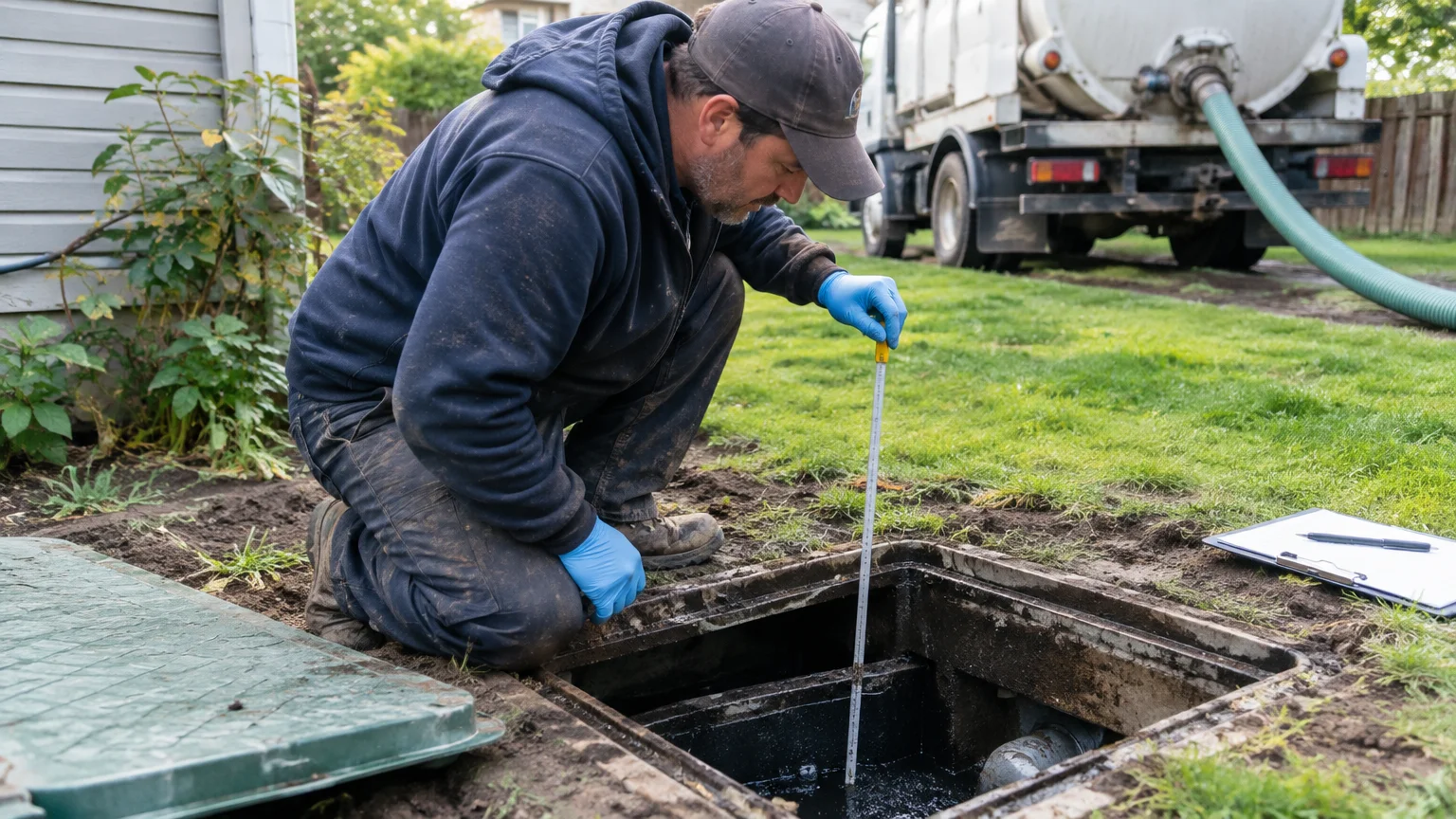
A homeowner can look from a safe distance for wet ground, broken covers, or unusual settling. Never enter a tank. Septic tanks may contain dangerous gases and have little oxygen. A professional can locate the septic pumping tank, check access points, and look for damage safely.
Can a Full Septic Tank Cause Bad Smells?
Yes, a full septic tank can cause bad smells, but odor alone does not prove pumping is needed. As solids and scum build up, the tank has less working space. Wastewater may move slowly, press toward the outlet, or back up into the plumbing.
Septic tanks need care based on tank size, household use, wastewater flow, and solids. A large household, many guests, a garbage disposal, or heavy business use may need a different schedule than a small home.
How do tank levels affect odors?
A tank with a high liquid level may struggle to accept more wastewater. This can create slow drains, gurgling fixtures, or sewage odors near the tank and plumbing. A damaged outlet baffle or blocked effluent filter can create similar signs.
The tank level should be checked during a proper inspection. Guessing from the smell can lead to the wrong repair. Septic pumping may help when solids or scum are the issue. It will not fix a damaged pipe, failed drainfield, or blocked vent.
What signs suggest the tank may be overdue for pumping?
Several symptoms together are stronger evidence than one smell. These signs may include:
- Multiple slow drains throughout the property
- Toilets that gurgle or drain poorly
- Sewage backing into a shower, tub, or floor drain
- Foul smells near the tank or drainfield
- Wet, unusually green, or sunken ground over the drainfield
- No clear record of the last septic service
Keep pumping and inspection records. Tenants should report changes early and avoid flushing unusual items. Investors and buyers should request system records and arrange a professional review before relying on the system's condition.
Could a Blocked Pipe or Septic Clog Be Causing the Smell?
A blocked pipe or septic clog can cause septic tank smells by trapping wastewater and sewer gas. One slow sink may point to a local drain blockage. Slow fixtures across the home suggest a larger problem in the building sewer, septic tank, outlet, or drainfield.
Common causes include too much paper, wipes, grease, coffee grounds, hygiene products, diapers, and objects flushed by children. Products sold as flushable may not break down like toilet paper. Grease can harden inside pipes and collect other waste.
Which household habits can create clogs?
Toilet paper and human waste are the main items that belong in a septic toilet. Cooking grease should cool and go into household waste. Food scraps should also stay out of the plumbing unless the system and local guidance support garbage disposal use.
A simple sink or tub clog may be handled with a plunger when no sewage is present. You do not need a professional for this safe, small check. Stop if wastewater rises, several fixtures are affected, or plunging does not work. Repeated chemical drain cleaners can harm plumbing, disturb treatment, and hide the real cause.
How do backups connect to odors?
A backup means wastewater cannot move through the system as it should. Pressure can force sewage toward the lowest fixture. Trapped gas may move through drains or cracks. A clog may be near the home or farther along the septic line.
Do not keep flushing or running water to test a system that is backing up. This adds more liquid to a blocked path. A professional can decide whether pumping a septic system, clearing a line, or repairing a part is the right next step.
What Should You Do When You Notice Septic Tank Smells?
When septic tank smells appear, locate the odor without touching wastewater, lids, or electrical equipment. Reduce water use. Keep children and pets away from wet areas. Note which fixtures or parts of the yard are affected.
A homeowner may safely run water into an unused drain if there is no backup. They can also check whether a toilet, sink, or shower is slow. Do not dig, open the tank, climb onto the roof, or walk through sewage.
What safe steps can a homeowner take?
- Stop using water if several fixtures drain slowly or sewage rises.
- Keep people and pets away from wastewater, wet soil, and tank covers.
- Open a window only when there is no strong gas concern.
- Record where the smell began and whether rain or heavy use came first.
- Find service records without opening the tank or disturbing the system.
- Arrange a septic inspection when the odor continues or returns.
Tenants should notify the property owner or manager promptly. Business owners should protect customers and staff from affected areas. A buyer should not treat a temporary loss of smell as proof that the system is healthy.
What should be avoided before an inspection?
Avoid bleach, solvents, drain acids, septic additives, and large amounts of water used to hide the odor. Do not cover wet ground with soil or seal a vent before finding the cause. Do not drive over the drainfield or use heavy equipment near the tank.
These actions can spread wastewater, damage parts, or make inspection harder. Clear notes and photos from a safe distance can help a professional understand the problem.
How Can You Tell Whether Septic Odours Are a Health Risk?
Septic odors may create a health risk when they come with sewage, dirty soil, or poor airflow. Wastewater can carry germs. Sewer gas may contain irritating or dangerous gases. A rotten-egg smell may come from hydrogen sulfide, but smell strength does not show gas levels.
People may notice headaches, dizziness, nausea, eye irritation, or breathing trouble in a dirty area. Anyone with symptoms should leave and seek medical advice. Never enter a septic tank, pit, or enclosed space to investigate an odor.
How can families, children, and pets stay safe?
Children and pets should stay away from tank covers, drainfield puddles, and sewage. Pets may track dirty water indoors or drink from a wet area. Shoes, tools, and clothing that touch wastewater should stay away from clean rooms.
Keep doors closed between affected rooms and the rest of the home when possible. Do not use fans if they could spread dirty air through the property. If sewage enters the home, a qualified cleanup service may be needed after the source is controlled.
When should occupants leave the building?
Leave if there is a strong indoor gas smell, sudden dizziness, breathing trouble, or a large sewage release. Do not operate switches, flames, vehicles, or other possible ignition sources near suspected gas. Once outside, contact the right emergency service or qualified professional.
A normal outdoor odor does not always require evacuation. Repeated smells still deserve attention. Early action can keep a small plumbing issue from becoming a larger property problem.
When Are Septic Tank Smells an Emergency?
Septic tank smells become an emergency when sewage overflows, wastewater rises quickly, a tank cover is damaged, or people may face dangerous gas. A strong indoor odor with illness symptoms also needs quick action. The danger matters more than the smell alone.
Emergency signs include sewage flowing from a cleanout, a toilet backing up with waste, a large wet area over the drainfield, or a broken tank lid where someone could fall. Electrical equipment near water adds another serious hazard.
What should happen during an overflow?
Stop water use throughout the property. Keep everyone away from the affected area. Do not wash sewage into a drain, ditch, or street. Avoid contact with the liquid and do not use electrical tools near it.
A professional can check whether the overflow involves a full tank, blocked line, failed outlet, or drainfield problem. Local authorities may need notice when wastewater reaches public areas, wells, waterways, or nearby land. Local rules vary, so follow local guidance.
What gas, structural, and electrical dangers matter?
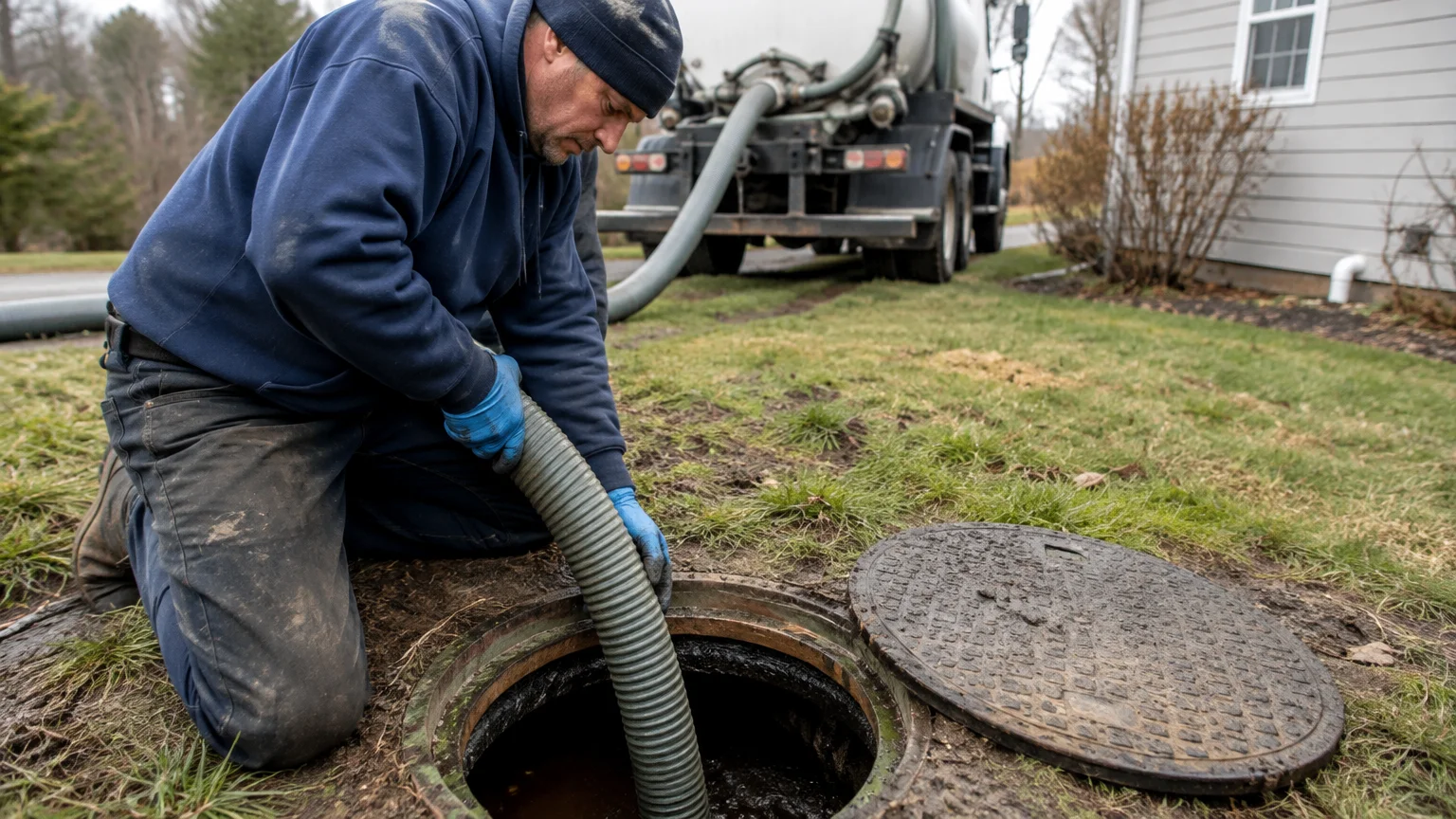
Never enter a septic tank, even if someone appears trapped inside. Toxic gases and low oxygen can overcome a person quickly. A cracked lid, open access point, sinking ground, or exposed pipe should be treated as a fall and contact hazard.
If water reaches an electrical panel, outlet, pump, or appliance, leave and wait for qualified emergency help. Do not restart the system until the danger is checked. Emergency pumping may address tank conditions, but electrical and structural dangers may need other specialists.
How Do Professionals Find and Fix the Source of Septic Odours?
Professionals find septic odors by following the smell, reviewing symptoms, checking plumbing, and examining the septic system. They may inspect fixtures, vents, cleanouts, tank access points, filters, baffles, lines, and the drainfield. The right repair depends on what they find.
A service visit may include a tank-level check, pumping when needed, line inspection, or a flow test between parts. Some systems have pumps, alarms, filters, or advanced treatment parts that need separate checks. The owner should receive a clear explanation of the findings and recommended work.
What can inspection and pumping show?
Pumping removes solids and scum from the tank. It can help when the tank is full or overdue for service. It does not repair a crushed pipe, failed drainfield, blocked roof vent, broken lid, or damaged tank wall.
A professional may inspect the inlet and outlet areas, check filters, and look for escaping sewage. If a property is being bought or sold, a septic inspection may include records, tank location, parts, and the drainfield. The final cost is confirmed on a quote and depends on access, system size, urgency, damage, parts, and needed work.
What repairs may solve the odor?
The repair could involve cleaning a blocked line, replacing a seal, securing a lid, clearing a vent, repairing a pipe, servicing a pump, or improving drainage around the system. A drainfield problem may need a deeper review. Pumping alone may not solve it.
Septic Tank Pump Jacksonville helps property owners understand which option fits the evidence. A written record of inspection, pumping, and repairs can help with future maintenance. It can also help a new owner or tenant understand the system.
How Can You Prevent Septic Tank Smells in the Future?
The best way to prevent septic tank smells is to use less water at one time, keep solids and chemicals out of the system, and follow a planned inspection and pumping routine. Records matter because a missed service history can make symptoms harder to explain.
Learn where the tank, drainfield, cleanouts, and vents are located. Share this information with tenants, caretakers, and future buyers. A simple site sketch can help prevent digging, paving, or planting in the wrong place.
Which maintenance habits help most?
- Fix dripping taps and leaking toilets promptly.
- Spread laundry loads across the week.
- Flush only human waste and toilet paper.
- Keep grease, wipes, chemicals, and medicines out of drains.
- Keep vehicles and heavy storage off the drainfield.
- Keep roof water and runoff away from the system.
- Record inspections, pumping, repairs, and unusual symptoms.
A tenant may not control the tank, but reporting slow drains or odors early can prevent damage. Homeowners should not wait for a backup before seeking advice. Investors should include the septic system in property planning.
What are the key takeaways?
- A strong or lasting odor is a warning sign, especially indoors.
- Dry traps and blocked vents can cause simple problems, but repeated smells need a closer look.
- A full tank may cause odors, yet pumping will not fix every septic failure.
- Sewage, wet drainfield soil, and gurgling drains need prompt attention.
- No one should enter a septic tank or handle unsafe wastewater.
Septic tank smells are easier to solve when the source is found early. Septic Tank Pump Jacksonville supports property owners across Jacksonville, including Riverside, Mandarin, and nearby communities. The business helps with septic pumping, inspections, maintenance, and related concerns. Contact us to arrange the next step for your property.
Frequently Asked Questions
Why does a septic tank smell after heavy rain?
Heavy rain can saturate the soil and slow the drainfield. Surface water may also move toward the tank or drainfield. A brief outdoor smell may fade as conditions dry. Standing wastewater, slow drains, or repeated septic tank smells need a professional inspection.
How far should a septic tank be from a house?
The needed distance depends on local rules, soil, property design, and system type. A tank should be easy to reach for service and away from unsafe places. Check the approved site plan or ask a qualified local professional rather than guessing or digging.
How deep should a septic tank be?
Tank depth depends on the installation, soil, slope, frost conditions, and pipe layout. Some tanks are shallow, while others have risers or deeper access points. Never dig to find one. A septic professional can locate the tank and identify its covers safely.
Who performs a perc test?
A licensed or approved soil professional, engineer, health department representative, or other authorized specialist may perform a perc test. The test checks how quickly soil absorbs water for a proposed septic system. Requirements vary, so the local permitting office can explain the process.
Who installs septic tanks near me?
Septic tanks are usually installed by licensed or permitted septic contractors. They should understand local rules, soil, tank placement, and drainfield design. Confirm licensing, permits, insurance, and experience before work begins.
If you are unsure what you are dealing with, arrange a professional review before the issue grows. Get in touch with Septic Tank Pump Jacksonville to discuss the next step.
If you are not sure what you are dealing with, it is worth having someone look at it before it turns into a bigger job. Get in touch with Septic Tank Pump Jacksonville today and we will tell you where you stand.