The main septic tank installation regulations cover site location, soil, system design, permits, inspections, and final approval. In Jacksonville, property owners should check with the local health authority before installing, replacing, moving, or enlarging a system. This helps prevent delays, unsafe work, and problems when selling the property.
Table of Contents
- What are the basic septic tank installation regulations?
- Who enforces septic tank installation regulations?
- When do you need a septic installation permit?
- What is a perc test, and when is it required?
- What requirements apply to septic system design and installation?
- What inspections and records are required before a septic system is approved?
- Who should you contact about septic tank installation regulations?
- Key takeaways
- Frequently Asked Questions
- Conclusion
What are the basic septic tank installation regulations?
Septic rules help protect drinking water, homes, soil, and nearby waterways. They often control the tank location, drainfield space, system design, installation work, and final inspection. The rules can change by state, county, and site, so one area may not follow the same rules as another.
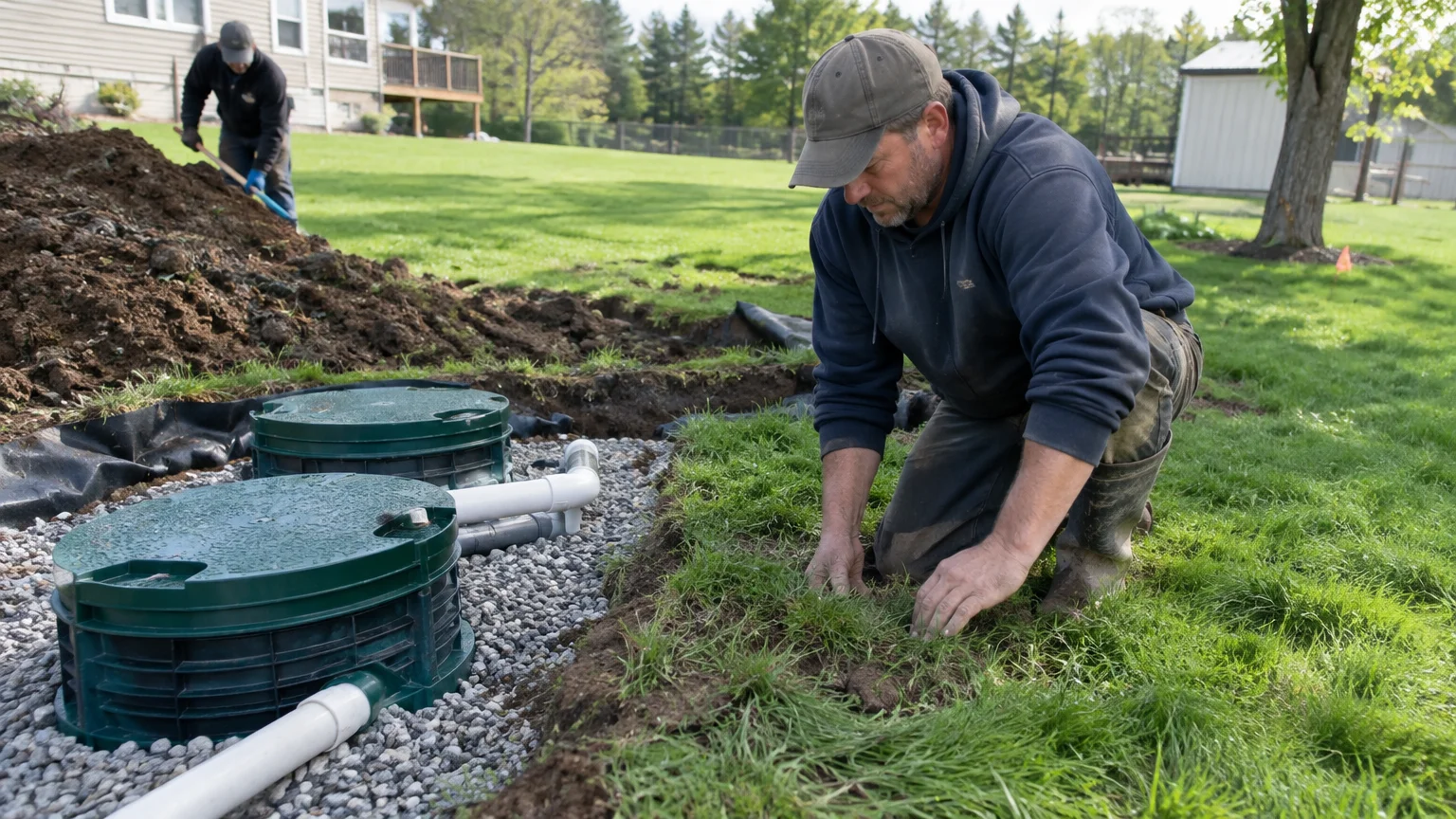
A septic system has a buried tank and a soil treatment area. The tank holds wastewater while solids settle. The drainfield then spreads liquid through suitable soil for treatment. The drainfield is the part of the system that treats wastewater below ground.
How health and environmental rules protect a property
Rules help keep sewage away from wells, streams, buildings, property lines, and flood-prone land. They also help stop untreated wastewater from reaching the surface. This protects families, tenants, neighbors, and people who may buy the property later.
The U.S. Environmental Protection Agency explains how septic systems work, but local offices set many installation details. An old system may have been approved when it was built. That does not mean later work will meet current rules.
In Jacksonville, owners should check local regulations before changing the home or yard. This includes work such as adding rooms, building a pool, or moving soil. A quick check can help avoid work that must later be removed.
Which installation standards usually apply
Most programs review soil, slope, groundwater, tank type, drainfield design, and required setbacks. A setback is the space required between a septic part and another feature. The rules may also require a reserve area for future repairs or replacement.
Rules can affect driveways, pools, additions, sheds, and landscaping. Heavy vehicles may damage buried pipes or the drainfield. Deep-rooted plants may also cause trouble. Ask the local authority which rules apply before changing the site.
Who enforces septic tank installation regulations?
A local health department often reviews and approves home septic work. In some areas, a county office, environmental agency, building department, or water office handles part of the job. The correct office depends on the project and the type of property.
Florida may set broad standards, while a local office manages permits and inspections. The permitting authority is the public office that reviews the project and grants approval. It can explain forms, site rules, contractor needs, and inspection steps.
What local health departments oversee
A local office may review a soil report, site plan, system design, repair plan, or replacement request. It may also inspect open trenches before the tank and drainfield are covered. Ask which inspections must happen during the work.
The office may keep records for a property. These records can help buyers and investors learn whether the system was approved. Older records may be incomplete, however. Missing paperwork means the owner should investigate further. It does not prove that no system exists.
When state environmental agencies become involved
State agencies may review larger systems, special sites, commercial work, sensitive watersheds, or appeals. They may also set rules for treatment units, discharge, groundwater protection, and professional licenses.
A local official can explain when state review is needed. Septic Tank Pump Jacksonville can help Jacksonville property owners gather basic site details before they speak with the right office. The company does not replace the agency that approves permits or explains local law.
When do you need a septic installation permit?
A permit is often needed before installing, replacing, enlarging, or moving a septic system. It may also be needed when a home project changes wastewater use or blocks a repair area. The safest step is to ask the permitting authority before digging.
New construction, replacement, and system expansion
New homes usually need an approved septic plan before work moves ahead. A failed tank, damaged drainfield, or major change may need a repair or replacement permit. Adding bedrooms can increase wastewater use and may lead to another review.
A permit may cover the site review, design, installation, and final inspection. It may not cover building work, wells, grading, or electrical service. Ask whether separate approvals are needed for those parts of the project.
The same care applies to septic tank replacement. Do not assume that replacing an old tank follows the same plan as the original work. The new tank, pipes, and treatment area may need approval before installation begins.
Permit triggers during property improvements or ownership changes
A bathroom addition, guest unit, pool, garage, driveway, or grading project can affect a septic site. A sale may also raise questions about system records. Ownership alone may not require a new permit, but local regulations control this point.
Before buying land, request the available septic records. Ask whether the approved system matches the current home. A larger home or changed use may need a new soil review or system plan.
The permit process can take time because soil work, plan review, and inspections usually happen in order. Do not cover a tank or drainfield before the required inspection. Covered work may need to be opened again before approval.
What is a perc test, and when is it required?
A perc test, short for percolation test, checks how quickly water moves through soil. Many offices use a soil review to decide whether land can treat wastewater safely. A test or review may be needed for new construction, replacement systems, or major changes.
How soil evaluation affects system approval
Soil professionals look at soil layers, texture, slope, seasonal groundwater, and other site details. This helps them choose the type and size of treatment area. A perc test is not always a simple pass-or-fail test. Some programs use a wider soil review instead.
Ask who may perform the test and which report the agency accepts. Wet weather, shallow rock, high groundwater, and packed soil can affect the plan. A test for one part of a property may not approve another part.
What happens when a property does not pass
A failed soil review does not always mean the property has no options. A designer may consider another area, a different treatment method, a smaller approved use, or an engineered system. The authority must approve the proposed answer.
Some sites cannot support a usual system because of soil, space, slope, flood risk, or groundwater limits. A buyer should not assume that a vacant lot can support a home. Written approval is safer than a verbal promise.
Septic Tank Pump Jacksonville can explain what site information may help with planning. Only the permitting authority can decide whether the soil and design follow local rules.
What requirements apply to septic system design and installation?
Design rules often cover tank capacity, drainfield size, setbacks, access, soil treatment, and safe placement. The approved plan should match the home, expected wastewater use, site conditions, and local standards. A change during construction may need approval before work continues.
Tank size, setbacks, drainfield placement, and access
Setbacks create space between septic parts and features such as wells, property lines, buildings, streams, and roads. The required distance depends on local regulations and site conditions. Tank lids should remain easy to reach for inspection and septic pumping.
A tank may sit several feet below the ground, but depth depends on the plan, soil, slope, and plumbing. Do not guess where a lid is buried. Check the site plan, look for markers, or ask a qualified professional to locate it safely.
The drainfield needs protection after installation. Do not pave it, place a shed over it, or drive heavy equipment across it. Grass is often suitable, while deep-rooted trees may cause damage. Local guidance should control plant choices.
Why licensed professionals and approved plans matter
Check local rules to learn who may design or install a system. These professionals understand soil limits, approved materials, trench layout, safety rules, and inspection points. They also know when a change must go back to the agency for review.
A homeowner can safely keep vehicles off the drainfield, watch for trouble, and keep records. Simple upkeep, such as protecting the drainfield and fixing leaks, may be done by the owner. Digging near buried tanks, opening lids, entering tanks, or changing the drainfield needs a professional.
Septic tanks can contain toxic gases and other dangers. Do not enter a tank or send someone inside. A clear plan also helps compare the work with the property’s needs. A professional can help locate a tank, but the owner should confirm records with the public authority.
What inspections and records are required before a septic system is approved?
Most programs require one or more inspections before final approval. An inspector may check the excavation, tank placement, pipes, treatment area, soil cover, and approved materials. The exact steps depend on the permit and local office.
Construction inspections and final approval
The installer should know when the agency needs access to open work. One inspection may happen before the tank is covered. Another may check the drainfield or final grade. The agency may issue final approval after the work matches the approved plan.
Ask for a copy of the final approval or completion record. Also ask whether the system needs an operating permit, routine checks, or special maintenance. Advanced treatment systems may have added rules.
Documents buyers, owners, and investors should keep
A complete property file can prevent confusion during repairs, sales, and future projects. Useful records include:
- The original septic permit and approved site plan
- Soil reports, perc test results, and design documents
- Installation, repair, inspection, and pumping records
- Final approval, operating instructions, and maintenance terms
- A sketch showing the tank, lids, pipes, and drainfield
Store these records with other property papers. Note changes to the home, such as added bedrooms or new plumbing. These changes can affect future septic reviews and maintenance needs.
Who should you contact about septic tank installation regulations?
The first contact is usually the local permitting or health authority. That office can identify the correct application, explain setbacks, confirm inspection steps, and say whether a soil review is needed. A septic professional can then help plan work that fits the site and approval process.
Questions to ask the permitting authority
Clear questions can save time and prevent avoidable work. A property owner can ask:
- Which office approves septic installations at this address?
- Is a new permit needed for this project?
- Does the site need a perc test or soil review?
- Which setbacks apply to wells, buildings, roads, and property lines?
- Who may design, install, inspect, or pump the system?
- Which records are available for the property?
Write down the official’s name, date, and guidance. Rules can change, and written instructions are easier to check later. A professional should not promise approval before the agency reviews the project.
How a septic professional can help with planning and compliance
A qualified septic company can help locate access points, inspect visible conditions, explain pumping needs, and spot signs that call for agency review. It can also help the owner prepare questions for a designer or inspector.
Septic Tank Pump Jacksonville serves property owners across the main Jacksonville area, from Riverside and Mandarin to nearby neighborhoods and communities. The company can help organize practical next steps for records, septic pumping, maintenance, or emergency pumping. The public authority still decides which septic tank installation regulations apply.
Local guidance matters for every property in Jacksonville. Keep agency records with the home papers, and ask questions before starting work. This is useful for owners, tenants, investors, families, and business owners.
Key takeaways
- Check local rules first because septic requirements vary by state and county.
- Ask about permits before installing, replacing, expanding, or moving a system.
- Confirm soil approval through the required perc test or site review.
- Protect the drainfield from vehicles, paving, buildings, and harmful plants.
- Keep records for repairs, inspections, future projects, and property sales.
Frequently Asked Questions
How deep should a septic tank be?
A tank’s depth depends on the approved design, slope, soil cover, plumbing, and local rules. The lid should stay easy to reach for inspection and pumping. Do not dig blindly. Check the site plan, look for markers, or ask a qualified professional to locate the tank safely.
How far does a septic tank need to be from a house?
The required distance varies by state, county, soil, and system type. Setbacks may also apply to wells, property lines, roads, streams, and other features. The local permitting authority can confirm the current rule for a property. An old system may use a different standard.
How does a septic system work?
Wastewater flows from the building into a buried tank. Solids settle, oils float, and liquid leaves through an outlet. The drainfield spreads that liquid into suitable soil for treatment. Regular septic pumping removes built-up solids. Safe care also means protecting the drainfield and fixing leaks quickly.
How can someone find a buried septic tank?
Start with permit records, site plans, plumbing direction, and visible cleanouts. A professional may use careful probing or locating tools. Avoid heavy digging near suspected pipes, and never enter a tank. Septic gases can harm or kill people.
What happens if a septic system fails approval?
The authority may ask for a changed design, more soil work, a different treatment area, or more information. Some sites may need an engineered system or may not support the proposed use. A failed review does not always end the project, but work must follow the agency’s written direction.
Conclusion
Septic tank installation regulations help protect people, property, groundwater, and nearby waterways. The process often begins with the local authority, then moves through soil review, design approval, installation, inspection, and final records. Property owners in Jacksonville should confirm the rules before digging or changing a home.
Contact us to discuss practical next steps for septic planning, records, pumping, or system care with Septic Tank Pump Jacksonville.