A septic tank installation permit is usually needed before a new system is built. It lets local officials review the site, soil, tank, drainfield, and setbacks. Rules differ by location and property use. In Jacksonville, owners should check with the proper agency before digging, replacing a system, or changing its use.
Table of Contents
- Do you need a septic tank installation permit?
- Who issues septic tank installation permits?
- What does a septic installation permit cover?
- When do septic system projects trigger a new permit?
- What is a perc test, and is it required for a permit?
- How do you apply for a septic tank installation permit?
- Who should you contact about a septic installation permit?
- Frequently Asked Questions
- Key takeaways
- Conclusion
Do you need a septic tank installation permit?
Most new septic systems need approval before construction starts. A permit lets the right agency review the tank and soil treatment area. It also helps make sure wastewater will not harm wells, homes, streams, or groundwater.
Rules differ across the United States. Many areas require a permit for a new home, a septic tank replacement, or a major system change. Some small repairs may follow a simpler process. Other repairs need full review when they change the tank, drainfield, location, or system size.
Do not rely only on an old permit. It may belong to a past owner, an older system, or another approved design. The local agency can explain if that record still applies. It can also tell you if a new application is needed.
When a new septic system requires approval
A new system usually needs approval before digging begins. The review may cover bedrooms, wastewater flow, soil, groundwater, slopes, wells, property lines, and nearby water. The agency may also ask for a site plan from a qualified professional.
The permit record helps more than the current owner. It can help future buyers, tenants, lenders, and neighbors. A clear record shows what was approved and where the system was placed. This may matter during a sale, inspection, remodel, or insurance review.
Why installing without a permit can create problems
Unapproved work can lead to failed inspections or correction orders. Officials may require parts to be removed or changed. The work may also delay a certificate of occupancy. An unapproved system can make a home harder to sell.
A future buyer may not know if the system follows current rules. They may also question whether it has enough capacity for the home. Septic Tank Pump Jacksonville encourages owners to check local rules before hiring for installation work. Septic tank pumping professionals can explain system parts and maintenance needs, but the permitting agency decides approval.
Who issues septic tank installation permits?
A local health department often issues septic permits. Depending on the state, it may be called an environmental health office, public health office, onsite wastewater office, or wastewater agency. The name and process depend on the property location.
The local office reviews applications and may inspect the site. It can explain which forms to use and whether a soil review is needed. It can also explain setbacks and keep records for existing systems. Ask for the agency that serves the property.
The septic system rules in Jacksonville may differ from rules in another county or state. Soil, water tables, lot sizes, weather, and land use can change the review. Local officials are the best source for current requirements.
The role of local health departments
The health department may review the site plan, soil results, system design, and installation details. It may approve the work before construction and return for inspections. Some offices require an as-built drawing after installation. This drawing shows the final tank, pipes, and treatment area locations.
The agency may also review the number of bedrooms and the building’s use. A home, rental, restaurant, office, and campground may have different wastewater needs. Always describe the planned use correctly on the application.
When state or environmental agencies are involved
A state agency may set standards or license installers. It may review special sites near wetlands, public water supplies, large buildings, or sensitive watersheds. Most household permit decisions still happen at the state or local level.
Ask the local office if another agency must review the project. This question can prevent delays after filing. A septic professional serving the Jacksonville area, including Riverside, Mandarin, and nearby communities, may know which office handles common residential applications. The agency remains the final source for current rules.
What does a septic installation permit cover?
A septic installation permit usually covers the approved site, system design, tank, treatment area, and installation plan. It may also list construction and inspection rules. The permit does not allow you to move the system or change the design without approval.
A septic system is a private setup that treats wastewater without a public sewer. It usually has a tank, pipes, a drainfield, soil, and sometimes pumps or controls. The tank is only one part of the system. Each part can affect approval.
Site evaluation, soil testing, and system design
The agency may require a site evaluation before approval. This review looks at soil texture, soil depth, rock, slope, seasonal groundwater, flooding, and nearby water. The soil must give wastewater enough space and suitable conditions for treatment.
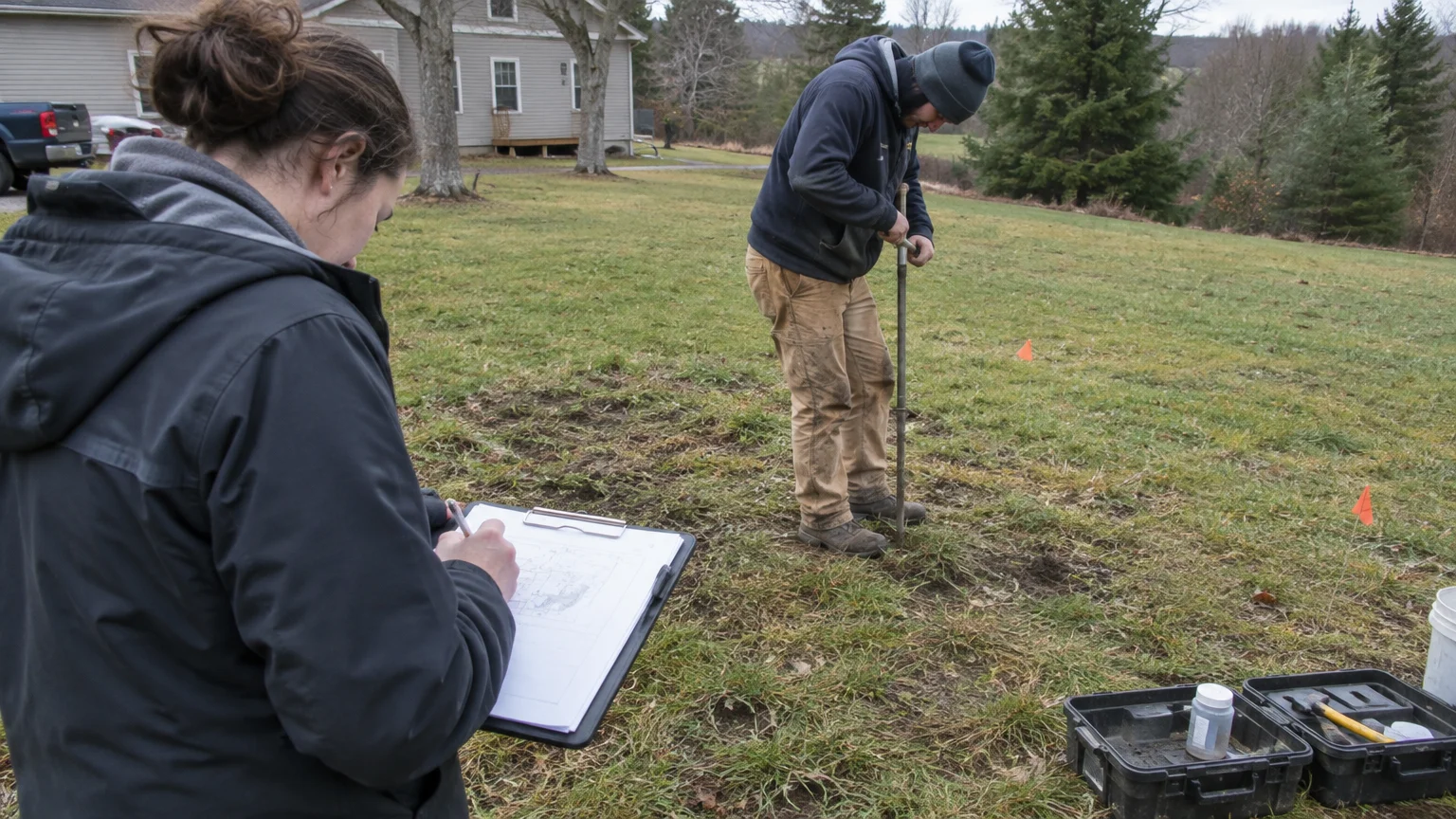
A soil or perc test checks how water moves through the ground. A qualified person may perform the test under local rules. The results help show whether a normal drainfield can work. They may also show that another approved design is needed.
The design may list tank size, trench or bed layout, pump equipment, and reserve space. It should match the building’s expected wastewater flow. A large home or business may need a different system than a small home.
Property boundaries, setbacks, and approved components
Setbacks are required spaces between a septic system and nearby features. These features may include homes, wells, roads, streams, drainage areas, and property lines. Exact distances vary by local code and site conditions. The permit plan should show them clearly.
The agency may approve certain tanks, pipes, pumps, treatment units, or controls. Changing a part after approval can affect the design. Ask before moving the tank, changing equipment, or building near the drainfield.
Keep the approved plan, inspection notes, maintenance records, and final drawing together. These records help future owners find the system. They also explain how to protect it from damage.
When do septic system projects trigger a new permit?
A new permit may be needed when a project changes system size, location, treatment method, or property use. New construction and full replacements are common examples. A repair may also need approval if it affects the drainfield or system capacity.
The answer depends on local rules and the existing system. Do not assume a repair is too small to report. The agency can explain whether you need a repair, change, or installation permit.
New construction, replacements, and expansions
New construction usually needs a site review and approved design. A full septic tank replacement may need a similar review. This is more likely when the old system failed because of poor soil, limited space, or high groundwater.
A home addition can increase wastewater flow. Adding bedrooms may require review even if the current system still works. A finished basement, accessory home, rental use, or business use may also change the permit needs.
Ask about septic capacity before finalizing building plans. This can reveal limits that affect the size, location, or design of the addition.
Repairs, additions, and changes in property use
Some repairs include cleaning, replacing a lid, fixing a baffle, or repairing a pipe. Owners can handle simple upkeep themselves. This includes keeping cars off the drainfield and checking for clear surface damage.
Do not enter a tank or change buried pipes yourself. Work near wastewater, tanks, and electrical equipment can be dangerous. Trained professionals should handle these jobs.
Changing a home to a business or rental may require review. The same may apply to food service, offices, events, and other uses that create more wastewater. The system must match the expected load.
When unsure, ask the permitting office before work begins. This quick check can prevent a correction later. Septic pumping, maintenance, emergency pumping, and 24/7 service do not replace required permits.
What is a perc test, and is it required for a permit?
A perc test is a field test that shows how quickly water moves through soil. It is often part of a site review for a new septic system. The test name and method vary by location. Some areas use a wider soil review instead.
The result helps officials decide if the soil can treat wastewater. It also helps a designer choose the drainfield type, size, and location. A passing result does not guarantee approval. The agency may still review slope, groundwater, setbacks, lot layout, and design.
How soil and site conditions affect approval
Good soil needs enough depth and drainage for treatment. Soil that drains slowly may hold water near the surface. Soil that drains too fast may not treat wastewater well. Rock, fill, shallow soil, flooding, and steep slopes can also affect approval.
One part of a property may have good soil while another does not. The test area must match the planned drainfield and reserve area. Keep this area clear of sheds, driveways, pools, trees, and future buildings.
The agency may require an approved soil evaluator, designer, or installer. Ask who may perform the test before scheduling it.
What happens when a property fails the evaluation
A failed evaluation does not always mean septic treatment is impossible. The site may allow another drainfield location or a raised design. Pressure distribution, advanced treatment, or another approved system may also be possible. The options depend on local rules and site limits.
The agency may need more information before deciding. A designer can review the lot and explain allowed choices. Do not install a system from an informal soil opinion. Only the proper authority can approve the final plan.
How do you apply for a septic tank installation permit?
The process usually starts with the local permitting office. The owner submits property details, a site plan, soil results, a proposed design, and required forms. The office reviews the package and may request changes before approval.
The process may take longer when records are missing or the lot is small. Difficult soil and several reviewing agencies can also add time. Apply before excavation or ordering major parts. Approval should be ready before construction starts.
Documents and information to prepare
The exact list varies, but an owner may need:
- The property address, parcel number, and ownership details.
- A site plan showing buildings, wells, roads, slopes, water, and property lines.
- The planned bedroom count and expected property use.
- Soil, perc test, or site review results.
- A design from an approved professional.
- Details about the tank, drainfield, pump, treatment unit, and reserve area.
- Permission for officials or approved professionals to enter the site.
Compare the application with the deed and building plans. Different addresses, parcel numbers, or bedroom counts can cause questions. Clear papers help the reviewer understand the project.
Inspections, approvals, and permit timing
The agency may inspect before construction, during installation, and after key parts are placed. Some inspections must happen before trenches are covered. The installer should know when to call and which work must stay visible.
After approval, keep the permit on file and follow the approved design. Report changes before making them. The final record may include an as-built drawing, inspection approval, operating instructions, and maintenance needs.
Local schedules vary, so ask about each step early. Septic Tank Pump Jacksonville can help Jacksonville property owners understand questions to ask before arranging septic pumping or installation work.
Who should you contact about a septic installation permit?
The local health or environmental health department should be your first contact. It can confirm the application, testing rules, setbacks, inspections, and approved professionals. Give the office the full property address and explain the planned work.
A qualified septic designer or installer can help prepare the technical parts. A pumping company may help with records, tank access, maintenance, and system condition. However, a service company cannot replace approval from the permitting agency.
Questions to ask the permitting authority
Owners can ask:
- Does this project need a new permit or repair approval?
- Who may perform the soil review or perc test?
- What setbacks apply to wells, buildings, streams, and property lines?
- How many bedrooms or occupants should the system support?
- Which inspections must happen before work is covered?
- Is a final drawing required after installation?
These questions help explain the full process before work starts. Ask how long the permit remains valid. Also ask what happens if the design changes.
How a qualified septic professional can help
A qualified professional can inspect accessible parts and explain care needs. They can review site conditions and help find missing records. They may also work with the designer and installer.
Septic Tank Pump Jacksonville gives property owners practical septic guidance. Jacksonville owners should first confirm permit rules with the local authority. Then they should use a qualified professional for work involving wastewater, buried lines, tanks, or electrical equipment.
Frequently Asked Questions
How deep should a septic tank be?
A septic tank should sit at the depth shown in the approved design. Depth depends on soil cover, pipe slope, access, groundwater, and local rules. The tank must stay easy to inspect and pump. Do not add soil over the lid without checking the plan.
How far does a septic tank need to be from a house?
The required distance varies by state, county, soil, and system design. Setbacks may also apply to wells, property lines, roads, and streams. The approved site plan is the best source for your property. The local office can confirm the rule before installation.
Who performs a perc test?
A qualified soil evaluator, engineer, designer, or approved professional may perform the test. The allowed person depends on local rules. Ask the permitting office before hiring anyone. An unapproved test may not support your application.
What is a septic system?
A septic system treats wastewater where no public sewer serves the property. It usually includes a tank, pipes, a drainfield, and soil or treatment equipment. Solids settle in the tank, while liquid moves to the treatment area. Regular care helps protect the system and nearby water.
Does septic pumping replace a permit?
No. Pumping removes solids from the tank, but it does not approve construction or changes. A permit may be needed for installation, replacement, expansion, or some repairs. Ask the local agency before changing the tank, drainfield, pipes, or property use.
Key takeaways
- A new septic system usually needs approval before construction begins.
- The local health office explains the current permit rules.
- A permit may cover soil tests, design, setbacks, equipment, and inspections.
- Replacements, additions, and changed property use can trigger review.
- A perc test is only one part of a full site evaluation.
Conclusion
A septic tank installation permit helps show that a system fits the property and local health rules. It can protect owners, buyers, tenants, neighbors, and nearby water. The process may include soil testing, a site plan, system design, inspections, and a final record.
Rules differ across the United States, so begin with the agency serving the property. Qualified professionals can explain system condition and help prepare for permitted work. The agency gives the final approval. Contact us to discuss septic system questions and plan the next step for your Jacksonville property.