Septic tank concrete cost depends on tank size, waste levels, access, location, and the work needed to reach the tank. Concrete tanks may have deep covers or old lids that need care. A quote should explain pumping, waste handling, access work, disposal, and any needed site work. The final cost is confirmed on a quote after the property is reviewed.
Table of Contents
- How much does septic tank concrete cost to pump?
- What factors affect the cost of pumping a concrete septic tank?
- Does septic tank size change the pumping cost?
- How does access affect concrete septic tank pumping costs?
- How does a concrete septic system compare with other tank materials?
- What should a septic tank pumping quote include?
- When should you request a quote for concrete septic tank pumping?
- Key takeaways
- Frequently Asked Questions
- Conclusion
How much does septic tank concrete cost to pump?
Septic tank concrete cost depends on the full job, not just the tank material. A concrete tank may cost more or less to pump than another type. The main cost factors include size, access, waste levels, tank condition, travel, and disposal needs. The final cost is confirmed on a quote.
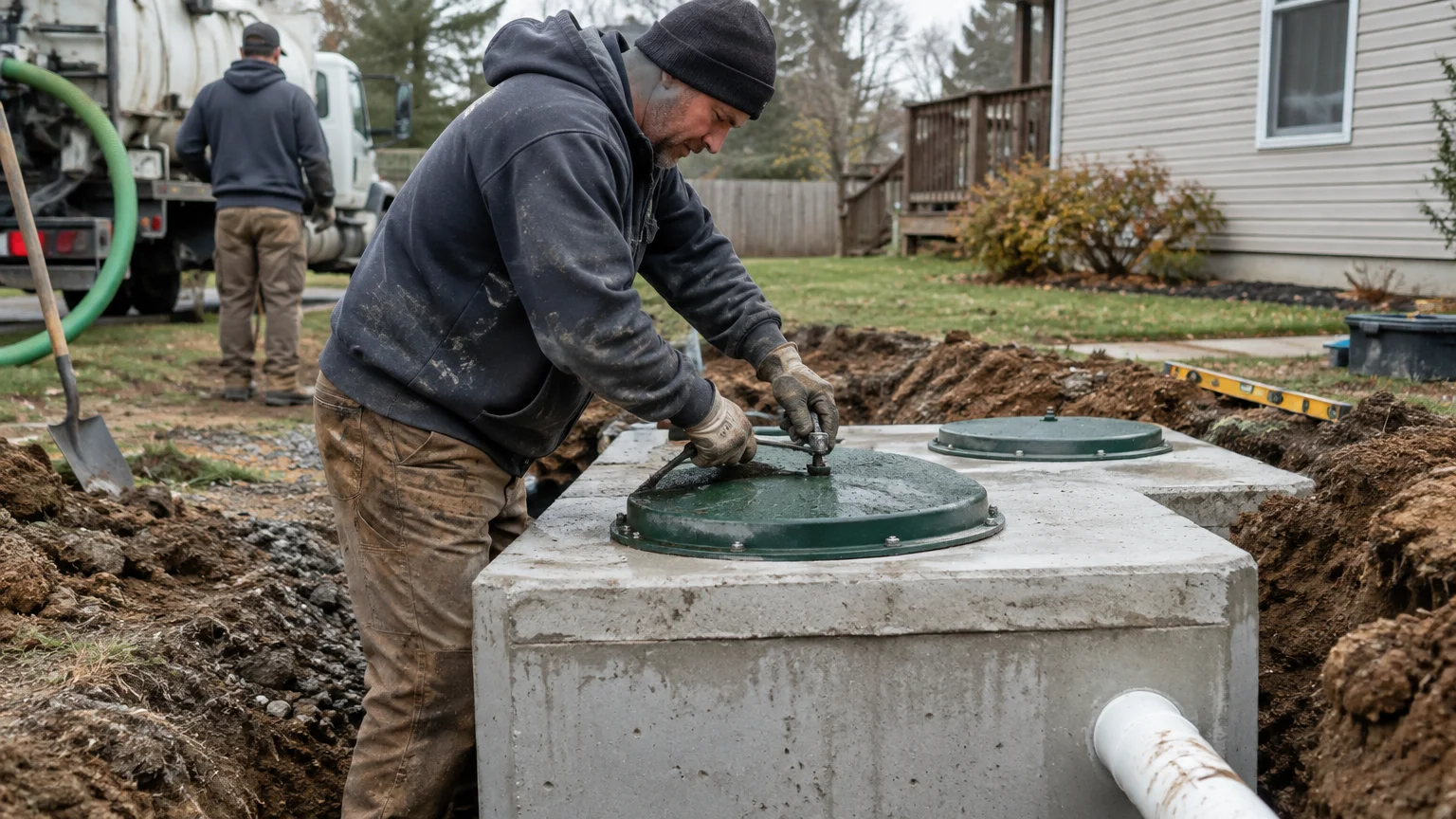
Concrete tanks are strong, but many older tanks have heavy lids. Some lids may be buried, sealed by soil, or covered by roots. A pumping worker may need more time to find the openings and open them safely. A damaged lid can also change the work plan.
Septic Tank Pump Jacksonville helps Jacksonville property owners understand the work behind a quote. The provider should explain the service in plain words. The owner should know if pumping, waste transport, disposal, lid access, and a basic visual check are included.
Why concrete tank pumping costs differ from other systems
Concrete, fiberglass, and plastic tanks all hold wastewater. However, each material has different needs. Concrete tanks are heavy and may settle over time. Plastic tanks are lighter and may shift when soil or water conditions change. Fiberglass tanks can last well but may need care around damaged areas.
The tank material is only one part of the job. A small concrete tank with clear access may be easier to service than a large plastic tank under a driveway. The final cost is confirmed after the provider reviews the tank, access route, and property conditions.
What the final quote should account for
A clear quote should describe the planned work and known limits. It should say whether pumping covers all tank sections, normal waste disposal, and access through existing lids. If extra work may be needed, the provider should explain when that work would be discussed.
Property owners should avoid choosing a service from a vague promise. A useful quote connects the work to the tank and site. Septic Tank Pump Jacksonville can help customers ask clear questions before they approve service.
What factors affect the cost of pumping a concrete septic tank?
The main cost factors are tank size, waste volume, pumping history, access, distance, and site conditions. Emergency pumping may need faster planning than routine maintenance. Each factor can make the work easier or harder.
Tank condition also matters. A cracked lid, buried opening, damaged pipe, or covered riser can slow the visit. A tank that has not been pumped for a long time may hold more solids. The provider may need to review the tank more closely after pumping.
Tank size, waste volume, and pumping frequency
A larger tank usually holds more wastewater and solids. It may take longer to empty and may need more waste handling. Still, size alone does not decide septic tank concrete cost. The amount inside and the number of tank sections matter too.
Regular maintenance helps limit heavy buildup. The right pumping plan depends on household size, tank size, water use, and solids levels. Homeowners should follow local advice and guidance from a qualified septic worker. One fixed schedule does not fit every property.
Access, distance, and site conditions
The truck needs a safe route and a good place to work. Long hose runs, narrow drives, steep ground, locked gates, wet soil, and landscaping can make setup harder. A tank below a patio or driveway may need extra planning.
The distance to the disposal site can also affect the work plan. Local rules may control how septic waste is moved and handled. These details should be discussed before the visit. This matters for properties across Jacksonville, including Riverside, Mandarin, and nearby communities.
Does septic tank size change the pumping cost?
Yes, tank size can change the work involved, but it is not the only factor. A larger concrete tank may need more pumping time and waste handling. A smaller tank can still be hard to service when it is deep, buried, or difficult to reach.
Owners may find tank details in an installation permit, inspection report, closing file, or maintenance record. A tank label may also show its capacity. Records help, but they do not replace a safe check of the access points.
Common concrete tank sizes and service requirements
Concrete tanks come in many sizes. Local building methods, soil, property layout, and household needs affect the design. Some systems have one section. Others have separate chambers that both need attention during pumping.
The provider should confirm which lids belong to the tank. Opening only one lid may not allow full service. A complete visit should account for the tank design and the condition of visible parts.
How overdue maintenance can affect the job
When pumping is delayed, solids can build up and move toward the outlet. This may raise the risk of backups, odors, slow drains, and drainfield stress. Heavy buildup can also make it harder to check the tank and its baffles.
A delayed service does not always mean the tank needs repair. It does mean the worker should check what can be seen safely after pumping. Owners should share any recent backups, sewage odors, wet ground, or unusual drain behavior.
How does access affect concrete septic tank pumping costs?
Access affects the time, tools, and safety planning needed for the visit. A tank near a clear driveway is often easier to reach than one below soil, plants, or a building. The provider should review access before confirming the final quote.
An owner should never remove a heavy concrete lid without proper tools and training. Septic tanks can contain dangerous gases. Open tanks also create a serious fall risk. Children, pets, and visitors should stay away from the work area.
Easy access compared with difficult or buried access
Easy access often means the lid is visible, stable, and close to the pumping hose. Difficult access may involve digging, moving objects, crossing soft ground, or working near utilities. These conditions can change the planned work.
Some owners install risers that bring the tank opening closer to the surface. A riser is a pipe section that extends access upward. A professional can explain whether one fits the tank and local rules. Any change should keep out surface water and allow safe future service.
What happens when the tank location is uncertain
An owner can check permits, property records, old inspection reports, and visible cleanouts. Plumbing lines may offer clues, but they do not prove the tank location. The tank may sit at a different distance from the house on each property.
A professional may use records, careful probing, or locating tools. Digging must be done with care because gas, water, electric, and communication lines may be nearby. Once the tank is found, the owner should record its location for later maintenance.
How does a concrete septic system compare with other tank materials?
Concrete tanks are heavy, strong, and common across many United States properties. Fiberglass and plastic tanks are lighter and may have different access and repair needs. Material can affect handling, but the full system design matters more than the tank label.
A septic system includes more than the tank. It may include inlet and outlet pipes, baffles, filters, a distribution box, pumps, and a drainfield. Pumping removes stored wastewater and solids. It does not repair every part of the system or prevent every septic tank replacement.
Concrete, fiberglass, and plastic tank considerations
Concrete may resist movement but can develop cracks, surface wear, or damaged lids. Plastic and fiberglass may resist some types of damage but can shift in wet soil. They can also suffer harm from poor installation or heavy equipment.
Owners should not assume that one material always costs less to service. Tank size, access, condition, and local work rules may matter more. A qualified provider can explain these differences without suggesting a replacement that is not needed.
When repairs, locating, or extra handling may be needed
Extra work may be needed when a lid is unsafe, the tank cannot be found, or an inlet or outlet problem is visible. A clogged effluent filter may also need cleaning if the system has one. Pumping does not always include repairs or drainfield work.
The provider should list pumping and recommended repairs separately. This helps the owner decide what needs quick action and what can wait. It also gives buyers, tenants, investors, and property managers a clearer system record.
What should a septic tank pumping quote include?
A septic tank pumping quote should describe tank service, the access plan, waste handling, and known limits. It should say whether the quote covers the full tank or only a stated part of the work. It should also explain what happens if access is unsafe or the tank differs from the records.
The final cost is confirmed on a quote after the provider reviews the job details. Site conditions vary, so a general online statement cannot replace a property review. A good quote uses plain words that the owner can understand.
Core pumping and disposal services
The quote should explain whether it includes pumping all accessible sections, handling the removed waste, and leaving the work area reasonably tidy. It should also say whether the provider will note visible concerns with lids, baffles, filters, or pipes.
The owner should ask whether digging, locating, lid work, or repairs are separate. The answer should be written clearly. This helps both sides understand the planned service before work begins.
Questions to ask before approving the work
Property owners can ask these questions before scheduling:
- Which tank openings will be reached and serviced?
- Does the plan include all sections and visible filters?
- What site conditions could change the quote?
- Will the provider note visible damage or system concerns?
- What should the owner do before the truck arrives?
These questions help homeowners, tenants, investors, buyers, and business owners compare service plans. They also help the provider bring the right tools and crew. Clear details can prevent delays at the property.
When should you request a quote for concrete septic tank pumping?
An owner should request a quote when pumping is due, records are missing, the tank location is unknown, or warning signs appear. Service should not be delayed when wastewater backs up inside the home. It also needs prompt attention when sewage appears near the tank or drainfield.
Homeowners can manage simple upkeep on their own. They can keep vehicles off the drainfield, save system records, check for clear leaks, and use water wisely. They should not enter a tank, work around open wastewater, or remove heavy lids without professional help.
Signs that service should not be delayed
Warning signs may include slow drains throughout the home, sewage odors, gurgling plumbing, wet ground, bright green grass near the drainfield, or sewage backups. One sign may have another cause. Several signs need prompt attention.
A professional should assess the system before the owner uses drain chemicals or tries a repair. Chemicals may harm useful tank bacteria or move a blockage deeper into the system. Owners should share urgent symptoms when they request service.
How to prepare property records and access details
The owner should gather permits, inspection reports, tank diagrams, past pumping notes, and details about recent plumbing problems. The owner should unlock gates, clear the access route, keep pets indoors, and mark known underground hazards.
For properties in Jacksonville and nearby parts of the city, local records may help confirm the system layout. Septic Tank Pump Jacksonville can review the available details and explain what information may be needed before scheduling.
Key takeaways
- Septic tank concrete cost depends on size, access, waste levels, condition, and site needs.
- Concrete tanks may have heavy, buried, or damaged lids that need careful handling.
- Tank material matters, but the whole system and property layout matter too.
- A quote should explain pumping, disposal, access, and possible extra work.
- Owners can manage simple upkeep but should leave tank opening and pumping to trained workers.
Frequently Asked Questions
How deep should a septic tank be?
There is no single depth for every septic tank. Soil, site slope, local design rules, and plumbing layout affect placement. A permit, inspection report, or professional locator may help find the tank. Owners should not dig before checking for underground utilities and other hazards.
How far does a septic tank need to be from a house?
The needed distance depends on local rules, site conditions, tank design, and property layout. Older systems may follow rules from the time of installation. A local health record or qualified septic worker can help confirm the right information for a property.
How does a septic system work?
Wastewater flows from the building into the septic tank. Solids settle, oils rise, and liquid leaves through the outlet toward the drainfield. Soil provides more treatment. Pumping removes built-up solids, but it does not replace drainfield care or repair damaged parts.
How can a homeowner find the septic tank lid?
The owner can check permits, inspection reports, cleanout locations, and visible pipe routes. A professional can locate the tank when records are missing. Owners should avoid deep digging and never open an unknown lid alone. Septic gases and open tanks are dangerous.
Who installs septic tanks near me?
A licensed or approved septic installer can design and install a system when local rules allow it. The right provider depends on soil testing, permits, property size, and system design. Septic Tank Pump Jacksonville can help Jacksonville property owners identify questions before selecting a contractor.
Conclusion
Concrete septic tanks need a service plan based on the actual property. Size, access, tank condition, waste levels, disposal needs, and local site rules all shape the quote. Good records and clear access can make the visit easier.
Property owners should request a clear quote before work begins and ask what the service includes. Contact us to discuss concrete tank pumping needs and arrange the next step for the property.