The empty septic tank cost depends on the tank’s size, how full it is, access to its lids, and the system type. Local disposal needs and site conditions can also affect the work. A routine pump-out may be simpler than a visit with hard-to-reach lids or extra checks. The final cost is confirmed in a quote after the job details are reviewed.
A septic service quote can be hard to compare when the work is not clear. Knowing what shapes the job helps property owners ask useful questions and understand what each quote includes. It also helps them plan maintenance before warning signs appear. This guide explains the main cost factors for Jacksonville property owners.
Table of Contents
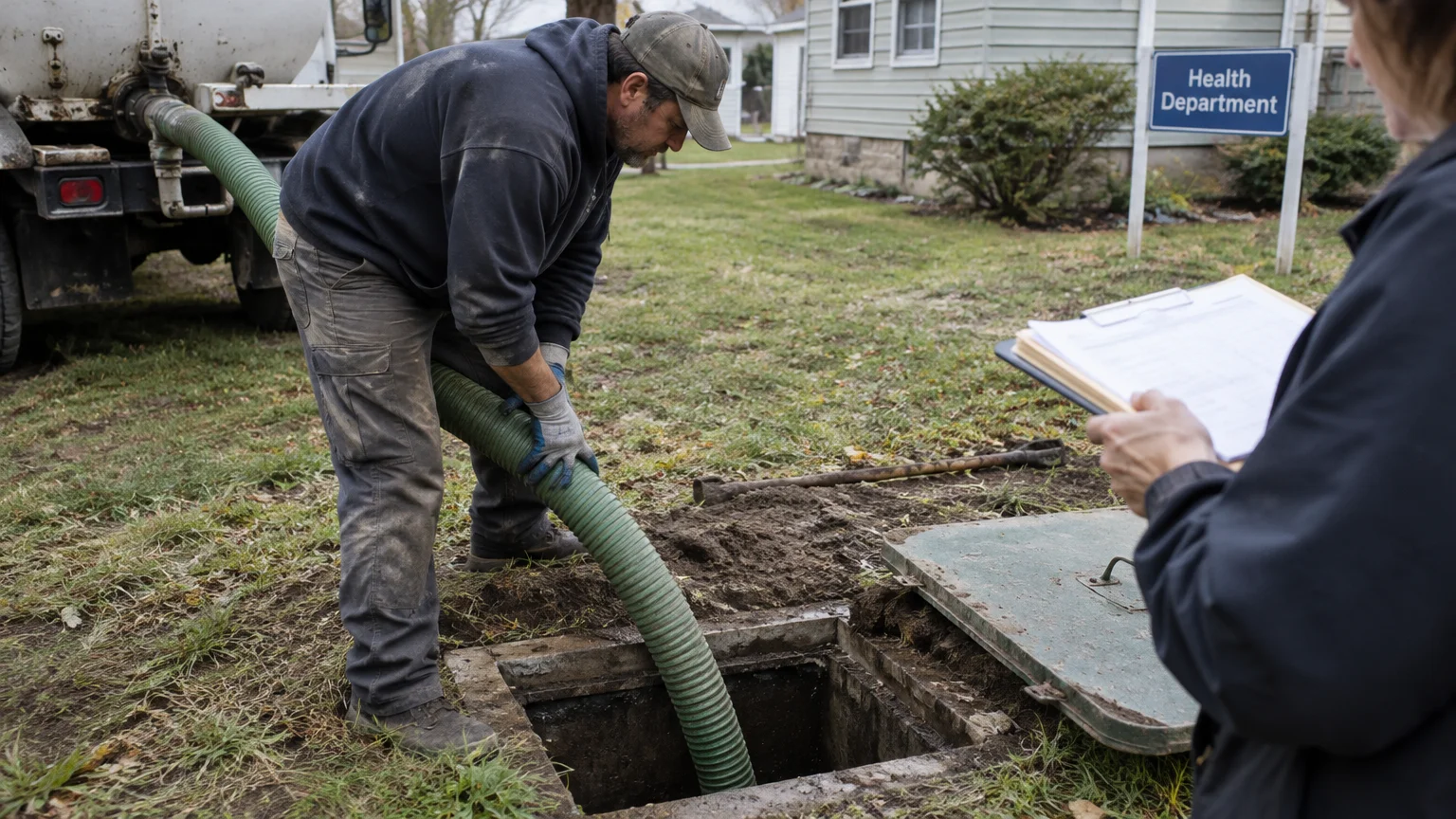
- How much does it cost to empty a septic tank?
- What factors affect the cost of emptying a septic tank?
- How does septic tank access affect the cost?
- Does the type of septic system change the emptying cost?
- How does location affect septic tank pumping costs?
- What should a septic tank emptying quote include?
- When should you get a quote for emptying your septic tank?
- Key takeaways
- Conclusion
- Frequently Asked Questions
How much does it cost to empty a septic tank?
The cost to empty a septic tank depends on the work needed at the property. Tank size, waste level, access to the lids, system parts, and local handling needs can all affect the quote. The provider can confirm the final cost after learning about the tank and the site.
Why the final cost depends on the job
A routine pump-out and a more involved visit are not always the same job. A basic visit may focus on removing the tank’s contents. The provider may also need to find buried lids, work around obstacles, or check parts needed for safe pumping. These details can change the work plan.
A septic tank is a buried container that holds household wastewater. Solids settle there while the liquid moves toward the next part of the system. The tank’s size and condition help show what the job may involve. If you know the tank location, type, and past service dates, share those details when asking for a quote.
How pump-out costs compare with related septic services
Septic pumping removes liquid and settled waste from a tank. It does not repair every septic problem. A damaged pipe, failing pump, clogged filter, or drain field issue may need separate checks or repairs. Those jobs involve different work, so a pumping quote should state whether it covers them.
For empty septic tank cost, Septic Tank Pump Jacksonville can help Jacksonville property owners understand which job details matter before service. Ask whether the quote covers pumping only or lists other checks too. The final cost is confirmed in a quote for the work agreed upon at the property.
What factors affect the cost of emptying a septic tank?
Tank size, waste level, service history, and the amount removed can affect the work and quote. A provider may ask about these details before confirming the job. Clear information helps the provider plan suitable equipment and explain what the visit will include.
How tank size and how full it is affect the work
A larger tank can hold more wastewater and solids than a smaller one. Its size may affect how much material needs to be removed and handled. The tank’s fill level matters too. A tank that has gone a long time without service may need more attention than one cared for on a regular schedule.
Homeowners do not need to open a tank to guess how full it is. Opening one can expose people to harmful gases, germs, and fall risks. Instead, share the tank’s known size and past service records. A septic professional can check it safely and explain what work is needed.
How pumping frequency and waste volume can change the quote
Pumping frequency depends on household use, tank capacity, and the amount of wastewater entering the system. More people in a home can mean more wastewater and solids. Leaking fixtures can also send extra water into the system, so fixing simple plumbing leaks is useful upkeep.
The right service timing is different for each property. Keep service records and ask a qualified provider to suggest a schedule for your system. The provider can explain whether the tank needs pumping now or whether another issue may be causing the signs you see. Septic Tank Pump Jacksonville can discuss these factors without assuming every tank needs the same work.
How does septic tank access affect the cost?
A tank that is easy to reach can make a pump-out simpler to plan. Buried lids, long hose runs, fences, plants, and parked vehicles may make access harder. Tell the provider what the site is like so the quote reflects the work conditions.
What makes a tank easy or difficult to reach
A clear path for the service vehicle and hose can help the crew reach the tank. A locked gate, narrow drive, steep ground, or soft soil may limit where equipment can go. Tell the provider about these conditions before the visit, especially if the tank is far from the driveway.
A septic tank riser is an extension that brings an access opening closer to ground level. It may make future inspections and pumping easier because the crew may not need to uncover a deep lid. A qualified professional can say whether a riser suits the tank and local rules.
How buried lids, long hose runs, and obstacles affect the job
A buried lid may take extra work to find and uncover. If you do not know where the tank is, property records, site plans, or visible clues may help narrow the search. Do not dig without checking for buried utility lines. Digging in the wrong place can damage utilities or the tank, so a provider can help locate it safely.
Before service, move items away from the access path and keep pets and children clear of the work area. These steps do not replace professional work, but they can help the crew reach the tank. Never enter a tank or lean over an open access point. Septic gases can be deadly.
Does the type of septic system change the emptying cost?
Yes. A conventional septic system may need different work than a system with pumps, filters, or other equipment. The provider should know the system type before giving a quote. If you are unsure, property records or an on-site review may help identify its parts and needs.
How conventional systems compare with alternative systems
A conventional system often has a septic tank and a drain field. The drain field is the area where liquid from the tank moves into the soil for more treatment. Other systems may use pumps or added treatment parts to move or clean wastewater. These parts can change what the service visit must include.
A home inspection report or septic permit records may list the system type. Ask the seller or local health department about records that may be available. A perc test checks how quickly soil absorbs water. It may help with septic system planning, but it does not explain how an existing system has been cared for.
When filters, pumps, or additional components may need attention
Some systems have filters that help stop solids from moving toward the drain field. A pump may move wastewater through parts of the system. These parts can need care beyond routine tank pumping. Ask whether the quote includes checking or cleaning them, or only pumping the tank.
Do not ignore a warning light, alarm, or pump problem. Keep people away from electrical parts, and do not reach into a tank. A qualified septic professional can check the system and explain whether the issue relates to pumping, a component, or another repair. Clear limits in the quote help prevent confusion.
How does location affect septic tank pumping costs?
Location can affect travel, disposal options, and the time needed to reach a property. Local rules may also shape how septic waste is handled. A provider serving Jacksonville, including Riverside and Mandarin, can explain which site details matter and whether the location changes the work plan.
Why travel distance and local disposal requirements matter
A provider may need to travel to the property and then take the waste to an approved disposal site. The distance between those places and the available disposal options can affect scheduling and the work involved. Ask how the provider handles waste and whether local requirements affect the service described in the quote.
Rules can differ by location, so property owners should not assume every area follows the same process. Local health departments can often point residents to septic system guidance. Keep permits and system records with the property documents, especially when the home changes hands.
How regional conditions can influence service availability
Weather, soil, roads, and the distance between homes can affect when a service vehicle can reach a tank. Heavy rain may make some yards too soft for equipment. Properties outside busy areas may also be farther from service providers or disposal sites than homes in town.
When asking for a quote in Jacksonville, describe the driveway, yard, and tank location. If the property is outside the city center, explain where it is in the wider Jacksonville area. This information helps the provider judge access and plan the visit. A clear description is more useful than guessing how location may affect the job.
What should a septic tank emptying quote include?
A clear quote should describe the planned work, the tank and access details used to prepare it, and what is not included. It should explain how the provider will discuss changes found at the site. Ask questions before accepting the quote if any part of the work is unclear.
The work and conditions to confirm before accepting a quote
Check that the quote names the service, such as pumping the tank. Confirm which tank or tanks are included and whether the provider knows about buried lids, long hose runs, or difficult access. Ask what you need to do before the crew arrives.
The quote should also say whether the provider will check visible system parts during the visit. Do not assume pumping includes repairs, filter cleaning, pump checks, or a full system review. A written description of the agreed work gives everyone a clear record to use later.
How to clarify possible additional services or charges
Ask what will happen if the provider finds a damaged lid, blocked filter, or pump problem. The quote should explain how extra work will be discussed and approved before it starts. Do not assume a repair is included unless the quote says so. The final cost is confirmed in a quote for the agreed work.
Useful questions include:
- Does the quote cover pumping the tank and handling its contents?
- Does the listed work include access tasks or uncovering buried lids?
- Which inspections or checks of system parts are included?
- How will the provider discuss work outside the quoted scope?
- What information or access should I provide before the visit?
Clear answers help property owners compare the work being offered, not just the wording of each quote. Keep the quote with the property’s septic records. That record can help future owners understand what was done and which parts may need separate care.
When should you get a quote for emptying your septic tank?
Get a quote when routine service is due, when buying or selling a property, or when signs point to a septic problem. Early questions can help a provider decide whether pumping is suitable or whether the system needs another kind of check.
When routine maintenance is due or property ownership changes
A service record can show when the tank was last pumped and what the provider found. If records are missing, ask a qualified septic professional to review the system and suggest next steps. This can help first-time buyers, investors, and new owners who may not know the tank’s history.
Owners can handle simple upkeep without opening the tank. Keep records, watch for plumbing leaks, and avoid putting grease, wipes, or other unsuitable items down drains. Keep heavy vehicles away from the tank and drain field too. A professional is needed for tank access, pumping, and checks inside the system.
When warning signs suggest the tank may need prompt service
Slow drains, sewage smells, wet ground near the tank or drain field, or wastewater backing up can point to a septic problem. These signs do not prove the tank needs pumping. A blocked pipe, failing part, or drain field issue may cause similar signs, so a professional should assess the system.
If sewage backs up into the home, limit water use and keep people and pets away from affected areas. Do not open the tank or try to repair a pump or pipe. Contact a qualified provider to discuss the signs and learn what steps are safe while waiting for service. Emergency pumping may be needed in some cases, but an assessment can help identify the right response.
Key takeaways
- Empty septic tank cost depends on tank size, fill level, access, system type, and location.
- Pumping may not include repairs, filter care, or checks of other system parts.
- A clear quote should state the planned work and explain how added work is handled.
- Property owners can keep records and clear access, but should never enter a tank.
- Warning signs need a professional assessment because different septic problems can look alike.
Conclusion
Knowing what shapes a septic quote makes it easier to plan service and ask useful questions. Tank size, access, system parts, and local conditions all matter. Property owners can prepare by sharing records and clearing the work area, but trained professionals should handle tank opening and pumping.
For help reviewing your job details and arranging septic tank pumping, Contact us at Septic Tank Pump Jacksonville. We can help you understand what information may be needed for the next step.
Frequently Asked Questions
What is a septic tank?
A septic tank is a buried container that collects wastewater from a home or building. Solids settle inside, while liquid moves toward a drain field or another treatment part. The system needs proper care to work well. A septic professional can explain how a certain tank and its connected parts work.
How deep is a septic tank buried?
A tank’s depth can vary with its design, the property, and how it was installed. Its lid may be below ground, so the surface does not always show where the tank sits. Check site plans or property records, or ask a qualified provider to find it safely.
How can a homeowner find a buried septic tank?
Start with septic permits, property records, or a site plan from the local health department. Some homes have visible cleanouts or access risers that may offer clues. Do not dig before checking for buried utilities. A septic professional can help locate the tank and lower the risk of damage.
What size septic tank does a three-bedroom house need?
The right tank size depends on local rules, the home, and the septic system design. Bedroom count may be one planning factor, but it does not tell the whole story. Check the permit or ask the local health department or a qualified septic professional.
What is a septic tank riser?
A septic tank riser is a pipe-like extension that brings a tank opening closer to the ground surface. It can make access easier for inspections and pumping. A professional should check whether a riser fits the tank and follows local rules. Never open a tank without proper training and safety steps.
For help with septic service information, visit Septic Tank Pump Jacksonville.
If you are not sure what you are dealing with, it is worth having someone look at it before it turns into a bigger job. Get in touch with Septic Tank Pump Jacksonville today and we will tell you where you stand.