The question how does a drain field work has a simple answer: it spreads partly treated wastewater from a septic tank into the soil. The soil filters some particles, while tiny living things break down some remaining waste. Good flow depends on a working tank, suitable soil, and careful water use at home.
In Jacksonville, knowing the basic steps can help property owners spot trouble early. It also explains why a drain field is more than a group of buried pipes.
Table of Contents
- What Is a Septic Drain Field?
- How Does Wastewater Move Through a Drain Field?
- How Does Soil Treat Wastewater in a Drain Field?
- How Do the Septic Tank and Drain Field Work Together?
- What Affects How a Drain Field Is Designed?
- What Are the Signs a Drain Field May Not Be Working Properly?
- What Are Common Misconceptions About Drain Fields?
- Frequently Asked Questions
What Is a Septic Drain Field?
A septic drain field takes wastewater from the tank and releases it into the soil. The soil then helps treat the wastewater. People also call this area a leach field or leach bed. It is often made of buried pipes or chambers set in prepared soil.
Where the drain field fits in a septic system
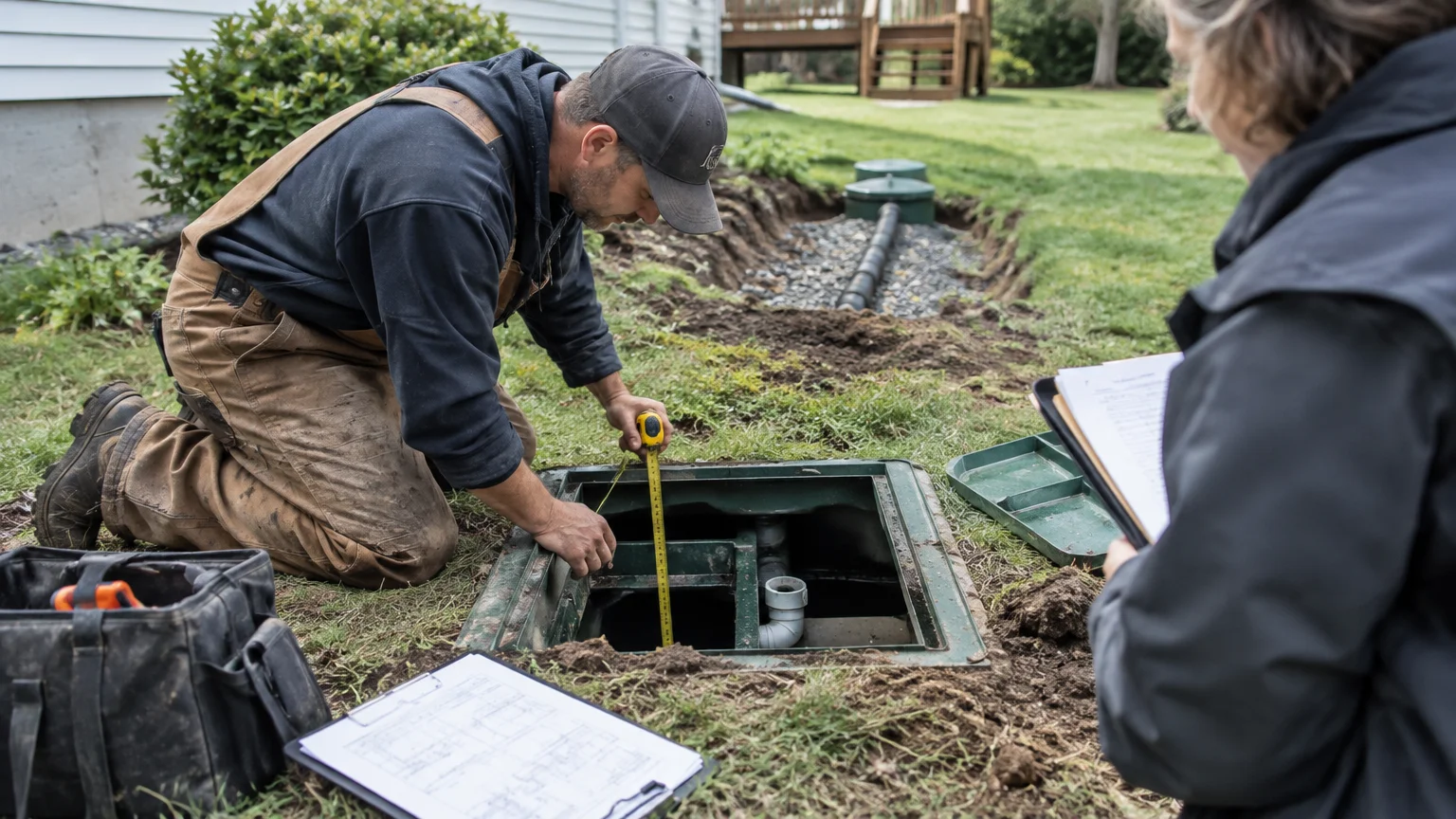
A septic system treats wastewater on the property instead of sending it to a public sewer. A septic tank is a buried container that holds wastewater. Solids settle at the bottom, while lighter material may float on top. The liquid between those layers flows from the tank to the drain field.
The drain field is the soil treatment area that receives this liquid. It is not the tank, and it does not hold all household waste. Its job is to spread wastewater so the soil can help treat it as it moves down.
In Jacksonville, a field’s layout can vary from one property to another. Some homes have pipes in gravel-filled trenches. Other systems use chambers that spread wastewater through openings. Soil and other site conditions help decide which design fits.
What a drain field is designed to do
A drain field spreads wastewater across a suitable area at a steady rate. This gives the soil time to filter some particles. Tiny organisms in the soil also act on some waste. Soil is part of the treatment process, not just a surface the water passes through.
A healthy field helps stop wastewater from pooling on the ground or moving toward buildings and nearby water. It needs open space to work. Heavy structures and vehicles can harm the field or press the soil together. The tank and soil both need to work well for the system to treat wastewater as intended.
How Does Wastewater Move Through a Drain Field?
Wastewater leaves the septic tank through an outlet pipe and enters pipes or chambers in the field. Small openings let liquid seep into nearby soil. Gravity moves wastewater in many systems. Some designs use a pump to move it along.
From the septic tank to the distribution pipes
The septic tank slows the flow from the home. Heavy solids settle at the bottom, while grease and other light material may float. Liquid between these layers leaves through an outlet. The outlet helps keep much of the solid material in the tank.
Wastewater then travels through a pipe toward the field. A distribution box, if the system has one, sends flow to different parts of the field. Drain field piping is set up to spread the liquid rather than send it all to one place. Some systems use chambers instead of gravel-filled trenches. A drain field chamber is a hollow structure that holds and releases wastewater into the soil around it.
Most systems use gravity to move wastewater. Some sites need a pump because of their slope or layout. A trained professional can help identify system parts when the design is hard to understand. The depth and location of a buried tank vary by property.
Wastewater’s path through the system
The basic path is home drains → septic tank → outlet pipe → distribution pipes or chambers → soil. This is a simple guide, not a map of a specific property. Some systems also have parts such as a pump or distribution box.
Wastewater leaves the tank in small amounts as new water enters the system. Pipes spread the liquid across the field, and the soil takes it in below ground. If pipes clog, too much water enters, or soil cannot absorb liquid, flow may slow or rise toward the surface.
How Does Soil Treat Wastewater in a Drain Field?
Soil treats wastewater as it moves through its layers. Soil can filter some particles, and tiny soil organisms help break down some waste. Soil type and condition affect how well this process works.
How wastewater filters through soil
Soil below and around the field acts as a natural treatment layer. As wastewater moves through, soil can hold back some material. The spaces between soil particles also affect how fast water moves. Water that moves too fast may not get enough treatment. Very slow movement can cause pooling or poor drainage.
The area where wastewater enters the soil needs enough suitable ground for treatment. A drain field is not a place where liquid simply disappears. If the soil is too wet, packed down, or blocked, it may not take in wastewater well.
A perc test, or percolation test, checks how fast water moves through soil at a proposed site. A qualified soil evaluator or another approved local professional may do or oversee the test. Local rules decide who is allowed to do this work. Test results help with site review, but they do not replace a full design or approval.
How soil organisms help reduce contaminants
Soil contains tiny living organisms that use some waste as food. Their activity helps break down certain contaminants as wastewater moves through the ground. This works best when soil is suitable, has air spaces, and can handle the flow.
Soil treatment does not mean every harmful substance disappears. A septic system needs proper use and care. Wastewater should never be treated as safe drinking water. Keeping chemicals, medicines, grease, and other unsuitable items out of drains can help protect the system and soil.
How Do the Septic Tank and Drain Field Work Together?
The septic tank holds wastewater and separates much of its solid material before liquid reaches the field. The field then spreads and treats that liquid in the soil. The tank helps keep extra solids out of the field, and the field completes an important part of treatment.
Why the tank separates solids before wastewater reaches the field
When a septic tank works well, settled solids and floating material stay inside it. Over time, solids build up and the tank needs pumping. Regular septic tank pumping removes that buildup before it can move into outlet pipes or the field.
If too much solid material leaves the tank, it can clog pipes or the soil where wastewater enters. This kind of harm can be difficult to fix. Pumping needs depend on the system and how people use it. Owners should follow professional advice and local rules instead of relying on a guess.
How household water use affects the system
Water from sinks, toilets, showers, and washing machines can enter the septic system. A large rush of water can pass through the tank faster than usual and put extra strain on the field. Spreading laundry across different days and fixing leaks can help limit sudden water loads.
You do not need a professional for safe habits like using less water, keeping vehicles off the field, and looking for wet spots from a safe distance. But opening a tank, entering it, or digging into pipes is not a safe home task. Septic gases and other dangers can cause serious harm. A trained septic professional should check concerns that need inspection or repair.
What Affects How a Drain Field Is Designed?
A drain field’s design depends on soil, slope, space, and other site details. Local rules also affect which designs are allowed. A qualified designer or local office can explain what may work for a particular property.
Soil conditions, slope, and site layout
Soil type and how it takes in water are important. The site also needs enough suitable space for the field and access for future care. A steep slope, shallow soil, high groundwater, or nearby features can affect where the field goes and how it is built.
A new home or replacement system may need soil testing and review before work starts. Local rules decide who can do a perc test. Property owners can ask their local health department which professionals are approved. A perc test shows how water moves through soil, but it is only one part of planning.
The tank’s location and burial depth also depend on the site and system design. There is no single depth for every tank. Check system records or ask a qualified professional before digging or trying to find buried parts.
Why system designs and local requirements can vary
Each property is different, so a design that works on one lot may not fit another. Some sites use standard trenches with pipes. Others use chambers or another approved design. Local officials set or apply rules for system placement, permits, and construction.
Septic Tank Pump Jacksonville helps Jacksonville property owners understand how pumping or a service visit fits into the larger system. Pumping removes tank buildup, but it does not fix every field problem. A professional needs to check the symptoms and system before suggesting next steps.
What Are the Signs a Drain Field May Not Be Working Properly?
Slow drains, sewage smells, or very wet ground near the field may point to a problem. These signs can have different causes, so they do not prove the field has failed. A qualified septic professional can check the whole system and look for the likely cause.
Slow drains, sewage odors, and unusually wet ground
A property owner may notice one or more warning signs:
- Several drains in the home are slow or backing up.
- Sewage smells stay near the tank or field.
- The ground above the field feels unusually wet or spongy.
- Wastewater or sewage appears on the ground.
- Grass in one spot grows faster or looks greener than nearby grass.
One slow sink may have a local plumbing blockage. Several slow drains may point to a larger problem. Wet ground can also come after heavy rain or other site changes. The pattern, place, and timing of signs matter. Keep people and pets away from suspected sewage, and do not touch or walk through it.
Why symptoms need professional assessment
A septic professional can review system records, check parts that are safe to access, and look for a blockage, tank issue, or field trouble. The right step depends on what the check finds. Drain field repair, also called a leach field fix, can involve different work from pumping a tank. Not every warning sign means the field needs to be replaced.
Do not dig up a field or open a tank to investigate. Tanks can contain dangerous gases, and digging can harm buried equipment. If sewage reaches the surface, keep people away and contact a qualified septic professional or the right local health office. A prompt check can help limit exposure and keep a small concern from getting worse.
What Are Common Misconceptions About Drain Fields?
A drain field is not just a buried pipe or a place to pour unwanted liquids. It is a planned soil treatment area. The tank, pipes, soil, and careful use all need to work together. Regular care and good water habits help protect the system.
Why a drain field is not simply a buried pipe or disposal area
People may use leach field, septic drain field, and sewer leach field to mean the soil treatment area connected to a septic tank. The names can vary, but a septic drain field is not a public sewer. It is part of a private system that treats wastewater on the property.
The field is not a safe place to drive, build, or send roof and yard water. Heavy loads can press down the soil or harm buried parts. Extra water from downspouts or sprinklers can leave the area too wet to work well. A system plan can help show where the tank and field are located.
How routine care and appropriate water use help protect the system
Simple habits can lower stress on the system. Fix leaking taps and toilets, spread heavy water use over time, and put only suitable waste down household drains. Do not flush wipes, grease, or other things that may add solids or block pipes. Follow professional advice about pumping and checks based on system use and condition.
You do not need a professional for these everyday habits. Call a qualified professional for sewage backups, lasting odors, wet ground, or work with buried parts. Septic Tank Pump Jacksonville can explain how septic pumping fits into care for the full system. A drain field concern may need a separate check.
Key takeaways
- The septic tank separates much of the solid waste from wastewater.
- Pipes or chambers spread tank liquid into the drain field.
- Soil and tiny organisms help treat wastewater as it moves underground.
- Water use, soil, and site design all affect system function.
- Odors, wet ground, and backups call for a professional assessment.
Conclusion
A drain field works with the septic tank to move and treat household wastewater. The tank separates much of the solid material, and the field spreads the remaining liquid into soil. Good water habits can help, but signs of trouble need a proper check. For help with a pumping or service concern, Contact us at Septic Tank Pump Jacksonville.
Frequently Asked Questions
What is a septic tank?
A septic tank is a buried container that holds household wastewater. Heavy solids settle inside, while lighter material may float. The liquid between those layers flows toward the drain field. The tank does not finish treatment by itself; the soil and field also play key roles.
How deep is a septic tank buried?
There is no one depth for every septic tank. Its position depends on the tank design, the property, and how pipes enter and leave it. Owners can check system records or ask a qualified professional to locate it. Do not dig until you know where buried parts and utilities are.
Who performs a perc test?
Local rules decide who may perform or oversee a perc test. It may be a qualified soil evaluator, engineer, or another approved professional. The local health department can explain the rules for the area. A perc test checks how water moves through soil, but it is only one part of a site review.
Can a homeowner fix a drain field?
A homeowner can help protect a drain field with safe habits, such as fixing household leaks and keeping vehicles off the field. Digging, opening a septic tank, and repairing buried pipes should be left to trained professionals. Sewage and septic gases can be dangerous, and the wrong repair can cause more harm.
Does septic tank pumping fix a failing drain field?
Pumping removes built-up solids from the septic tank, but it cannot fix every drain field problem. A blockage, damaged pipe, poor soil, or too much water may need a different response. A professional should check the tank and field before deciding what work is needed. A backup or wet field needs prompt attention.
If you are not sure what you are dealing with, it is worth having someone look at it before it turns into a bigger job. Get in touch with Septic Tank Pump Jacksonville today and we will tell you where you stand.