How do you know when septic tank needs pumping? Look for slow drains, sewage smells, wet ground near the drainfield, or wastewater backing up. These signs may mean the tank is full, but a blockage or damaged part can cause them too. An inspection can find the cause and help protect your septic system in Jacksonville.
Table of Contents
- How does a septic system work?
- What are the signs a septic tank needs pumping?
- How can you tell whether a problem is a full tank or a blockage?
- How often should a septic tank be inspected and pumped?
- How do the tank, baffles, and drainfield work together?
- What should you do when you notice warning signs?
- What are common misconceptions about septic tank pumping?
How does a septic system work?
A septic system treats wastewater from a home that does not connect to public sewer lines. It has a buried tank and a drainfield, which is also called a leach field. Water from sinks, toilets, and other home plumbing flows into the tank. Partly treated liquid then moves into the soil, where it gets more filtering.
What happens to wastewater inside the tank?
Inside the tank, heavy waste sinks to the bottom, while grease and oils float. The settled waste is called sludge. The floating waste is called scum. Effluent is the liquid between these two layers, and it flows toward the drainfield. Baffles help guide the flow and keep much of the scum and sludge in the tank.
How does the drainfield complete the process?
The drainfield sends effluent through pipes and into the soil. Soil and tiny living things in it help treat the wastewater. The field needs suitable soil and enough room to work. Too much water, a blockage, or damage can stop it from soaking up liquid well.
The system works as a chain: home plumbing, tank, outlet, and drainfield. Trouble in one part can affect the rest. A blocked outlet may slow drains inside, while a failing drainfield may cause wet ground. Septic Tank Pump Jacksonville helps Jacksonville property owners learn how inspection and septic tank pumping can fit into system care. The septic system should be checked as a whole when signs of trouble appear.
What are the signs a septic tank needs pumping?
A tank may need pumping when sludge and scum take up too much room. But symptoms alone cannot prove that it is full. Slow drains, sewage smells, and backups are warning signs. A clog, broken pipe, or drainfield problem can cause similar trouble, so an inspection is the safest way to find the cause.
Which household symptoms should you watch for?
Notice when several drains slow down at the same time, especially if it keeps happening. Toilets that gurgle or flush poorly can also signal trouble. One slow sink may have a clog close by. Problems in several parts of the home may involve a shared pipe or the septic system.
Other signs to watch for include:
- Wastewater coming back into a toilet, tub, or floor drain.
- Sewage smells inside the home or near the tank and drainfield.
- Water or sewage showing on the ground above system parts.
- Grass over the drainfield that stays extra green or grows faster than nearby grass.
What might odors, wet ground, or unusually green grass indicate?
Sewage smells and wet ground can mean wastewater is not moving or soaking into the soil as it should. These signs do not prove that the tank is full. A leak, blocked pipe, or drainfield issue may look much the same. Keep people and pets away from sewage or wet ground, and do not dig to look for a leak.
A green lawn does not always mean the system is healthy. Some problems start underground and are hard to see. Make a note of where signs appear and when they happen. This can help a septic worker decide what to check first in Jacksonville.
How can you tell whether a problem is a full tank or a blockage?
A full tank and a plumbing blockage can cause similar signs, so there is no sure home test. Trouble across several fixtures may point to a shared pipe or septic issue. One affected sink or toilet may have a nearby clog. A proper check is needed to know the cause.
How do symptoms differ across fixtures and drains?
If one sink drains slowly while the rest of the home works as usual, the issue may be in that sink or its branch pipe. If toilets, tubs, and sinks all slow down, the main drain or septic system may be involved. A backup at the lowest drain can also point to trouble farther along the system.
These signs offer clues, not a clear answer. A plumber or septic worker can check the pipes and system safely. Flushing toilets again and again or running more water to test things can make a backup worse. Stop using affected fixtures if wastewater is rising or coming back into the home.
Why should you avoid diagnosing the cause by smell alone?
A sewage smell is a warning, but it cannot show whether the tank needs pumping. Odors may come from a dry plumbing trap, vent trouble, a leak, or another system fault. Where and when you smell it can help, but smell alone will not find the cause.
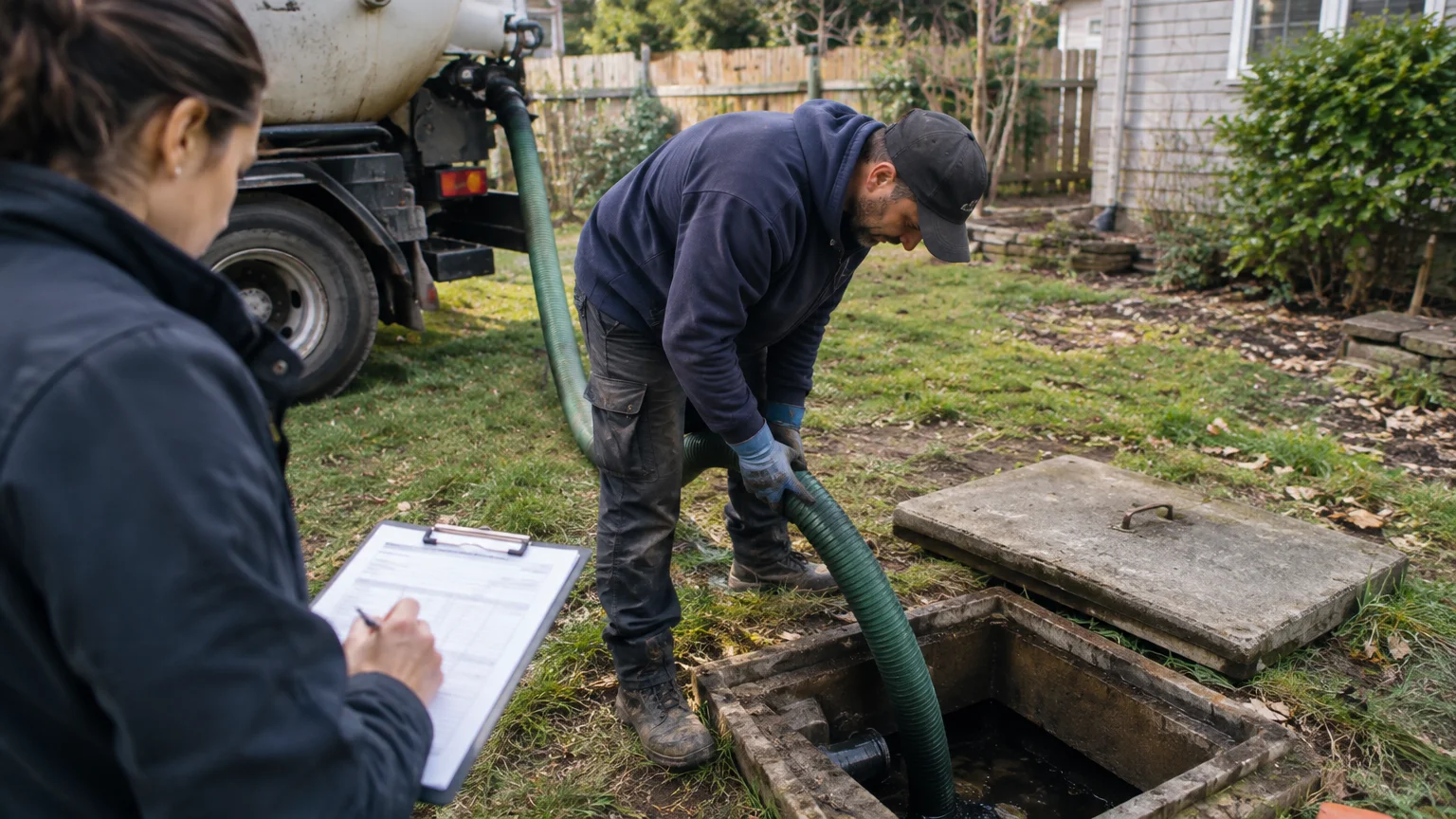
Do not open a tank or lean over an access opening. Septic tanks can hold dangerous gases and may have unsafe covers. A septic pumping service can inspect the tank and measure what is inside. Those findings help show if pumping or another repair is needed.
How often should a septic tank be inspected and pumped?
There is no schedule that works for every home. Pumping needs depend on tank size, how many people use it, water use, and how much solid waste enters. Regular checks and clear records help set a schedule based on the system’s condition, not a guess.
What factors affect the pumping schedule?
A larger household may send more wastewater into the tank than a smaller one. Frequent laundry, high water use, and a garbage disposal can add to the load. Tank size and daily habits matter too. A septic worker can review these points and suggest when to check the tank again.
The right schedule does not come from calendar reminders alone. A tank without clear symptoms may still need an inspection. Slow drains also do not always mean pumping is due. A check can show sludge and scum levels, damage, or other issues that need care.
Why do tank measurements and maintenance records matter?
Measurements show how much sludge and scum have built up. Records can list past checks, pumping, repairs, and changes in household use. Keep these details with the property papers, especially when a home changes owners. A clear history helps the next owner and service worker make sound choices.
If records are missing, a professional can check the system and start a new record. Do not guess when the tank was last pumped. Septic Tank Pump Jacksonville can explain what an inspection found and whether pumping a septic system is the right next step for that property. Good records can also help owners in Jacksonville plan future care.
How do the tank, baffles, and drainfield work together?
The tank slows wastewater so solids can settle and floating matter can stay near the top. Baffles guide the flow and help keep solids from leaving the tank. The drainfield then spreads effluent into the soil for more treatment. Each part helps protect the next part of the system.
What do scum, sludge, and effluent mean?
Scum is the floating layer of grease and other light material. Sludge is the layer of settled solids at the bottom. Effluent is the liquid between these layers. These words name the different parts inside a tank. Checking their levels helps a professional decide if pumping is needed.
Baffles are parts near the tank’s inlet and outlet. They help control wastewater flow and keep solids from moving out too easily. If a baffle is broken or missing, solids may reach the drainfield. This can harm the field and lead to repairs beyond regular pumping.
How can a problem in one part affect the whole system?
Too much solid waste leaving the tank can block drainfield pipes or soil. If the drainfield cannot soak up liquid, wastewater may rise to the ground or back up toward the home. A blocked home pipe can also cause signs that look like a full tank.
Pumping removes waste that has built up in the tank, but it cannot fix every fault. A damaged tank, broken pipe, or failing drainfield needs its own repair plan. If an older system needs major work, an owner may ask about septic tank replacement or replacing the whole system. The work depends on the site and the cause, so an inspection should come first.
What should you do when you notice warning signs?
When warning signs appear, use less water and keep people away from wastewater. Stop using fixtures that are backing up. Arrange an inspection if signs affect several drains, keep coming back, or include sewage in the home or yard. Acting soon can help limit more stress on the system.
What immediate steps can help limit wastewater stress?
Take these safe steps while waiting for help:
- Pause laundry, long showers, and other heavy water use.
- Keep cars and heavy equipment off the drainfield.
- Keep children and pets away from wet ground or sewage.
- Do not open, enter, or dig around the tank.
- Write down which fixtures have signs and when they began.
Homeowners can safely watch for changes, keep service records, and use water with care. These simple steps do not need a septic worker. However, opening a tank, measuring its contents, pumping, and repairs should be left to trained workers. Septic tanks can hold harmful gases and other dangers.
When should a septic professional inspect the system?
Get help soon if wastewater backs up, sewage appears indoors, or wet ground smells like sewage. Contact a professional if several drains slow down together or trouble returns after a basic plumbing clog is cleared. An inspection can check whether the cause is in the tank, pipes, or drainfield.
Share the system’s service history, the known tank location, and the signs you noticed. If you do not know where the tank is, do not start digging. A professional can check property records and use safe ways to find it. Tank depth and access differ from site to site, so do not guess how deep it is.
What are common misconceptions about septic tank pumping?
Pumping matters, but it does not cure every septic problem. A system can look fine above ground and still need a check. Additives and lower water use cannot take the place of checking the tank and drainfield. The right plan depends on how the system is used and what condition it is in.
Does a healthy-looking yard mean the system is fine?
No. A yard may look normal even when the tank is due for an inspection or a pipe has a problem. Wet or extra green spots are useful warning signs, but no signs above ground do not prove that the system works well. An inspection and service records give a clearer view.
A buried tank can be hard to find. Owners can look at property records or old inspection notes first. Tank depth depends on the land and how the system was put in. There is no one depth for every tank. Do not dig until you know where the pipes and system parts are.
Can additives or reduced water use replace inspection and pumping?
No. Additives do not remove the need to inspect and pump a tank when its condition calls for it. Using less water can lower stress, but it cannot fix a broken baffle or clear a blocked line. Do not flush things that do not break down easily, such as wipes, even if the label says they can be flushed.
Key takeaways
- Slow drains, smells, wet ground, and backups are warning signs, not a clear diagnosis.
- Several affected fixtures may point to a shared pipe or septic system problem.
- Tank size, home use, and sludge and scum levels affect pumping needs.
- Homeowners can watch for signs and use less water, but should not open or enter a tank.
Conclusion: A septic system works best when its tank, pipes, and drainfield are cared for together. Keep service records, watch for changes, and arrange an inspection when warning signs appear. Septic Tank Pump Jacksonville can help explain the next steps for your system. Contact us to discuss septic tank pumping or arrange an inspection.