The cost to replace a septic tank depends on the tank, the site, and the work involved. A simple tank swap may need less work than a project with excavation changes, system updates, or drain field repairs. The final cost is confirmed in a quote based on the property and project scope.
Replacing a septic tank can feel like a lot to plan. The tank is buried, and the full system may be hard to see. Knowing what shapes the quote can help you ask clear questions and compare plans. Septic Tank Pump Jacksonville helps property owners understand the work and the details that matter.
Table of Contents
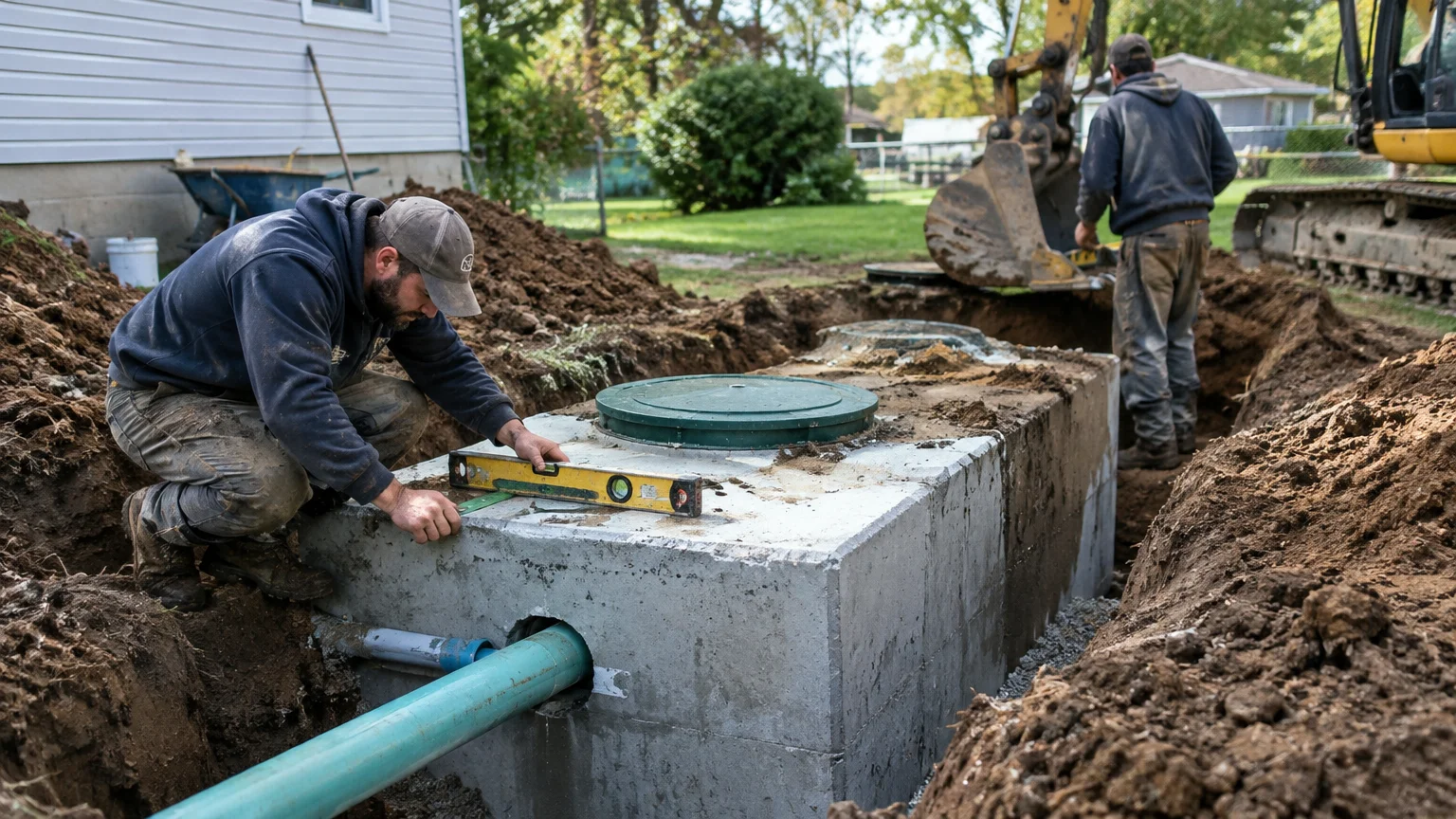
- What affects the cost to replace a septic tank?
- How does tank size affect replacement cost?
- How does access to the tank affect the cost?
- How does the type of septic system affect replacement cost?
- How does location affect septic tank replacement costs?
- What should a septic tank replacement quote include?
- When should you get a septic tank replacement quote?
- Key takeaways
- Frequently Asked Questions
- Conclusion
What affects the cost to replace a septic tank?
The tank, ground, access, and planned work all affect the cost to replace a septic tank. A quote may cover more than taking out one tank and putting in another. First, learn which parts of the system need work and what the property allows.
How do site conditions and project scope shape the estimate?
The contractor needs to know where the tank is and how the crew can reach it. Soil type, slope, groundwater, and nearby buildings can affect digging and equipment use. The space available for removed soil can also change the work.
A site visit may show details that photos cannot. A buried tank can be hard to find when records are missing or the yard has changed. A septic tank riser is a pipe that brings the tank opening closer to the ground. It can make future checks easier, but its position and fit should be part of the plan.
Why can replacement involve more than installing a new tank?
The old tank may not be the only part that needs work. The crew may also need to check inlet and outlet pipes, lids, baffles, and the area where wastewater goes after leaving the tank. A drain field is the part of a septic system that spreads treated wastewater into the soil. Damage there can change the work needed.
Ask which tasks the quote includes and which it leaves out. For example, a plan may cover removing and installing the tank, while yard repair or pipe work is separate. Clear details help avoid confusion once work starts. Septic Tank Pump Jacksonville can explain which site details may shape a replacement plan.
How does tank size affect replacement cost?
A larger tank may need more material, heavier equipment, and more work to move and install. The right size depends on the home, its expected use, and local rules. Choosing a tank only because it matches the old one may miss changes in the property.
How is the right tank capacity determined?
A septic professional can review the home’s layout, bedroom count, plumbing, and system records. For a three-bedroom home, the right tank size still depends on local rules and the design of the full system. A qualified professional should confirm the size instead of relying on a general online rule.
The tank is only one part of the system. Soil and the drain field also affect how wastewater is handled. A perc test, or percolation test, checks how quickly water moves through soil. It may help guide the plan when soil or a replacement design needs review.
What can change when a property needs a larger tank?
A larger tank may need a wider hole and a different way to move it into place. The site may also need more room for equipment. If the tank is close to a home, fence, or driveway, the crew may need a careful plan to protect those areas.
More tank capacity will not fix a damaged drain field or poor soil. The tank and the rest of the system need to work together. Ask why a certain size is suggested and whether the pipes and field can support it. The quote should name the tank and describe any related changes.
How does access to the tank affect the cost?
Limited access can add work because the crew may need to dig with care, move equipment another way, or protect nearby areas. A tank that is easy to reach may be a simpler job than one under a patio or behind a narrow gate. The layout of the site matters when preparing the estimate.
How do digging conditions and equipment access matter?
The crew needs a safe path to the tank and enough room to work. Soft ground, steep slopes, tree roots, and hard surfaces can affect digging. Wet or unstable soil may also call for extra care to keep the work area safe and limit damage.
Septic tanks can be buried at different depths. The depth depends on the system and property, so no single depth fits every home. If you do not know where the tank is, look for system records or ask a professional to find it. Digging at random can harm pipes or create a safety risk.
What property features can make removal more complex?
Driveways, decks, retaining walls, sheds, and landscaping can limit equipment movement or sit close to the tank. The crew may need to protect these features or use a different route. A narrow gate can also affect how tools and materials reach the work area.
Before the quote, point out known pipes, wells, utility lines, and past repairs. Share any site plans or septic records you have. You can safely move loose items away from the work area, but do not open, enter, or try to move a septic tank. A septic tank is a confined space and should only be handled by trained professionals.
How does the type of septic system affect replacement cost?
The system type affects the parts, work, and checks needed for replacement. A conventional system often has a tank and a soil-based drain field. Other systems may have added treatment parts or use another way to manage wastewater, so their replacement plans can need more work.
How do conventional and alternative systems differ?
A conventional system sends wastewater from the tank to a drain field for more treatment in the soil. An alternative system is made for places where a conventional layout may not suit the property or local conditions. It may have extra parts that need special care or service.
Confirm the system type before planning the work. Records, inspection results, and a site visit can help show what is in place. Ask whether the new tank will work with the current system or whether changes are needed. A tank by itself is not a full septic system.
When might the drain field or other components also need work?
A failing drain field, damaged pipe, or worn system part may need attention during tank replacement. Slow drains, sewage smells, wet ground, or very green grass over the field are signs to discuss with a professional. These signs can have more than one cause, so they do not prove that the tank has failed.
Septic tank pumping removes solids and gives a professional a chance to check the tank during routine care. Pumping does not fix a cracked tank or a failing drain field. The right next step depends on what an inspection finds. Ask whether the quote covers only the tank or also repairs to connected parts.
How does location affect septic tank replacement costs?
Local soil, weather, access, and rules can change the work a project needs. Even homes close to each other may have different underground conditions. A quote should reflect the property and the rules that apply in Jacksonville, Florida, rather than a broad estimate for another place.
How can local soil, climate, and regulations affect the project?
Soil that drains slowly, high groundwater, or a sloped yard can affect system design and digging. Weather can also affect when the site is ready for work and how the soil behaves. Local rules may guide tank placement, system design, permits, and inspections, so the plan should account for them.
Ask which approvals are needed and who will arrange them. You can also ask whether inspections must happen before the ground is covered. The steps depend on local rules and the project. A clear answer helps you understand the work order and avoid assuming a tank can be replaced without review.
Why can costs differ between properties in the same area?
Two homes in the same town can have different tank sizes, soil, system types, or access routes. One may have an open yard and clear records. Another may have paving over the tank and an unknown drain field. These details affect the work, equipment, and time needed.
This is why online averages may not help with one property. For the cost to replace a septic tank, compare quotes that describe similar work. Ask each provider what is included, what may be separate, and what could change the plan. A quote based on the site gives you a better way to compare options.
What should a septic tank replacement quote include?
A useful quote explains the work, materials, and tasks that are not included. It should say how the old tank will be handled and what happens after the new tank is in place. The final cost is confirmed in a quote based on the property and agreed work.
Which removal, installation, and restoration tasks should be described?
Ask whether the quote covers finding and uncovering the tank, removing or closing the old tank, installing the new one, and joining the pipes. It should also say whether the crew will fill the hole and repair parts of the yard. A clear work list makes it easier to compare plans.
The quote should name the tank type and size, along with any work on risers, lids, pipes, or the drain field. If septic pumping is needed before removal, ask whether that task is included. Do not assume landscaping, paving, or other repairs are part of the job unless the quote says so.
What permits, inspections, and exclusions should property owners check?
Ask who will handle permits and required inspections. The quote should explain what is covered and list key exclusions, such as drain field repairs or damage found after digging. Ask how the crew will discuss unexpected site conditions before any extra work begins.
A clear plan can show the order of work and what you need to do. Keep a copy of the quote and any system records. If something is unclear, ask for a plain explanation before you agree. The goal is to understand the full plan, not just the tank.
When should you get a septic tank replacement quote?
Ask for a professional review when the tank is damaged, problems keep coming back, or an inspection raises concerns. One sign alone does not mean replacement is needed. A professional can check the system, explain whether repair or replacement fits, and outline what to do next.
Which warning signs call for a professional assessment?
Sewage smells, wastewater backing up, wet ground near the tank or drain field, and very green grass can point to a problem. Slow drains throughout the home may also need attention. These signs can come from different causes, so an inspection is needed to find the source.
Routine maintenance can help you notice changes early. Keep cars and heavy items off the drain field, watch for new wet spots, and save records of pumping and repairs. You can do these simple checks yourself and do not need a professional for them. Do not open or enter a tank, or try to repair damaged parts on your own.
What information helps make a quote more accurate?
Share the property location, system records, tank location if known, and notes about recent problems or repairs. Photos of gates and nearby buildings may help explain the site, but they cannot replace an inspection. Tell the provider about paving, slopes, narrow gates, or other features near the tank.
Ask whether the professional needs to check the tank, pipes, and drain field before preparing the quote. Mention changes to the home, such as added bedrooms, if they may affect system use. Septic Tank Pump Jacksonville can help you understand what details to gather before discussing a replacement plan.
Key takeaways
- Tank size, site access, soil, and system type all shape replacement work.
- The right tank size depends on the home, system design, and local rules.
- Replacement may also involve pipes, the drain field, or yard repairs.
- A quote should list included work, exclusions, permits, and inspections.
- Homeowners can watch for warning signs but should leave tank work to professionals.
Frequently Asked Questions
What is a septic tank?
A septic tank is a buried container that holds wastewater from a home or building. Solids settle inside, and wastewater moves to the next part of the system. The tank works with pipes and a drain field, so trouble outside the tank can affect the whole system.
How deep is a septic tank buried?
There is no one depth for every septic tank. The depth depends on the system, the property, and past work in Jacksonville. Records may show where the tank is, but a professional can help find it if records are missing. Do not dig at random, since pipes or utilities may be nearby.
What is a septic tank riser?
A septic tank riser is a pipe that brings an access opening closer to the ground. It can make routine checks and service easier because the lid is easier to reach. A professional can tell you if a riser suits the tank and can be fitted safely.
What size septic tank does a three-bedroom house need?
The right size depends on local rules, the home, and the system design. Bedroom count can help guide the review, but it is not the only detail. A septic professional should confirm the size and check that the rest of the system can support it.
Does septic tank pumping mean the tank needs replacement?
No. Pumping removes built-up solids, but it does not prove that a tank has failed. A professional can check the tank and related parts to find the cause of a problem. Replacement may be needed if there is damage or another system issue, but inspection findings should guide the choice.
Conclusion
The cost to replace a septic tank depends on the property and the full work plan. Tank size, access, system type, local conditions, and related repairs all matter. A clear quote should explain removal, installation, yard repair, permits, inspections, and exclusions before work starts.
For septic system help, Contact us at Septic Tank Pump Jacksonville to discuss an assessment and replacement quote.
If you are not sure what you are dealing with, it is worth having someone look at it before it turns into a bigger job. Get in touch with Septic Tank Pump Jacksonville today and we will tell you where you stand.