The answer to how often to clean septic tank depends on the tank’s size, how many people use it, water use, and how fast solids collect. A professional inspection helps set a schedule for your property. Do not wait for a backup, since warning signs may appear after wastewater has reached the drainfield.
In daily use, “cleaning” a septic tank usually means pumping waste out of it. The right time depends on the tank’s condition, not only on a calendar. This guide explains what you can safely check, what a technician should handle, and how Jacksonville property owners can plan regular care.
Table of Contents
- How often should a septic tank be pumped?
- How can you tell whether your septic tank needs pumping?
- What can homeowners safely do and how can they prepare?
- What happens during a septic tank inspection and pump-out?
- What can go wrong if a septic tank is pumped too rarely?
- Can a septic tank be pumped too often?
- When should you call a septic professional?
- Frequently Asked Questions
- Key takeaways and conclusion
How often should a septic tank be pumped?
There is no one schedule for every home. How often a septic tank needs pumping depends on its size, the number of people using it, water use, and how quickly solids collect. An inspection can show whether the tank needs pumping now or can wait. The tank’s measured condition is a better guide than a calendar reminder alone.
A septic system treats wastewater on the property. The septic tank holds wastewater while solids settle to the bottom and lighter material forms a top layer. Partly treated liquid then flows to the drainfield. The soil helps treat it further. Pumping removes built-up solids before they can move out of the tank and harm other parts of the system.
Household size, tank capacity, and water use
More people usually send more water and waste into a septic tank. A small tank may collect solids faster than a larger tank serving the same number of people. Daily habits also matter. Long showers, many laundry loads, and several water-using fixtures running at once can add strain to the tank and pipes.
The number of bedrooms can help describe a home, but it does not tell the full story. A home with only a few full-time residents may use less water than a busy home with guests. A change in who lives at the property can also change how much the system is used. Tell the technician if more people have moved in, fewer people now live there, or water use has changed.
The amount of water entering the tank at one time matters, too. A large rush of water can move waste through the system before solids have time to settle. Fix leaks, spread laundry through the week, and avoid running several water-heavy tasks at once. These steps can ease extra strain, but they do not replace an inspection or pumping when the system needs it.
Solids, system condition, and inspection findings
A garbage disposal sends food scraps into the tank. This adds material that can build up as solids. Grease, cooking oil, wipes, and hygiene products can also cause problems. Even items marked “flushable” may not break down like toilet paper. Put only human waste and toilet paper in the toilet.
A damaged tank, blocked pipe, or worn part may need attention even when the tank does not seem full. A new tenant, a change in household size, or a change in business water use can affect the system. Tell the technician about recent changes. This helps them judge the tank based on how it is used, rather than making a guess from the property alone.
During an inspection, a professional checks the tank and measures the layers inside. Those findings help show whether pumping is needed. They can also help set a plan for that property based on its size, condition, use, and past care. Keep inspection and pump-out records so the next technician can compare what has changed. Septic Tank Pump Jacksonville can help property owners understand inspection findings and needed care.
A septic tank riser is an access point that brings the tank opening closer to the ground. It can make future inspections easier, but it does not make tank work safe for homeowners. Tank depth and location differ from one property to another. If the lid is buried, do not dig without knowing where it is. Property records or a trained professional can help find it. The U.S. Environmental Protection Agency’s septic systems overview explains how home septic systems work.
How can you tell whether your septic tank needs pumping?

Inspection records and measurements are more useful than symptoms alone. Slow drains or a sewage smell may point to a problem, but they do not prove that pumping is the only answer. A blocked pipe, damaged part, or drainfield issue can cause similar signs. A professional check helps find what is really going on.
Keep records of each inspection, including the date, findings, work done, and any advice for follow-up. These notes help a technician see whether solids are building up and how the system has changed. If you have just bought the property, ask the seller, property manager, or local records office for septic papers. Past records can help explain the system’s history.
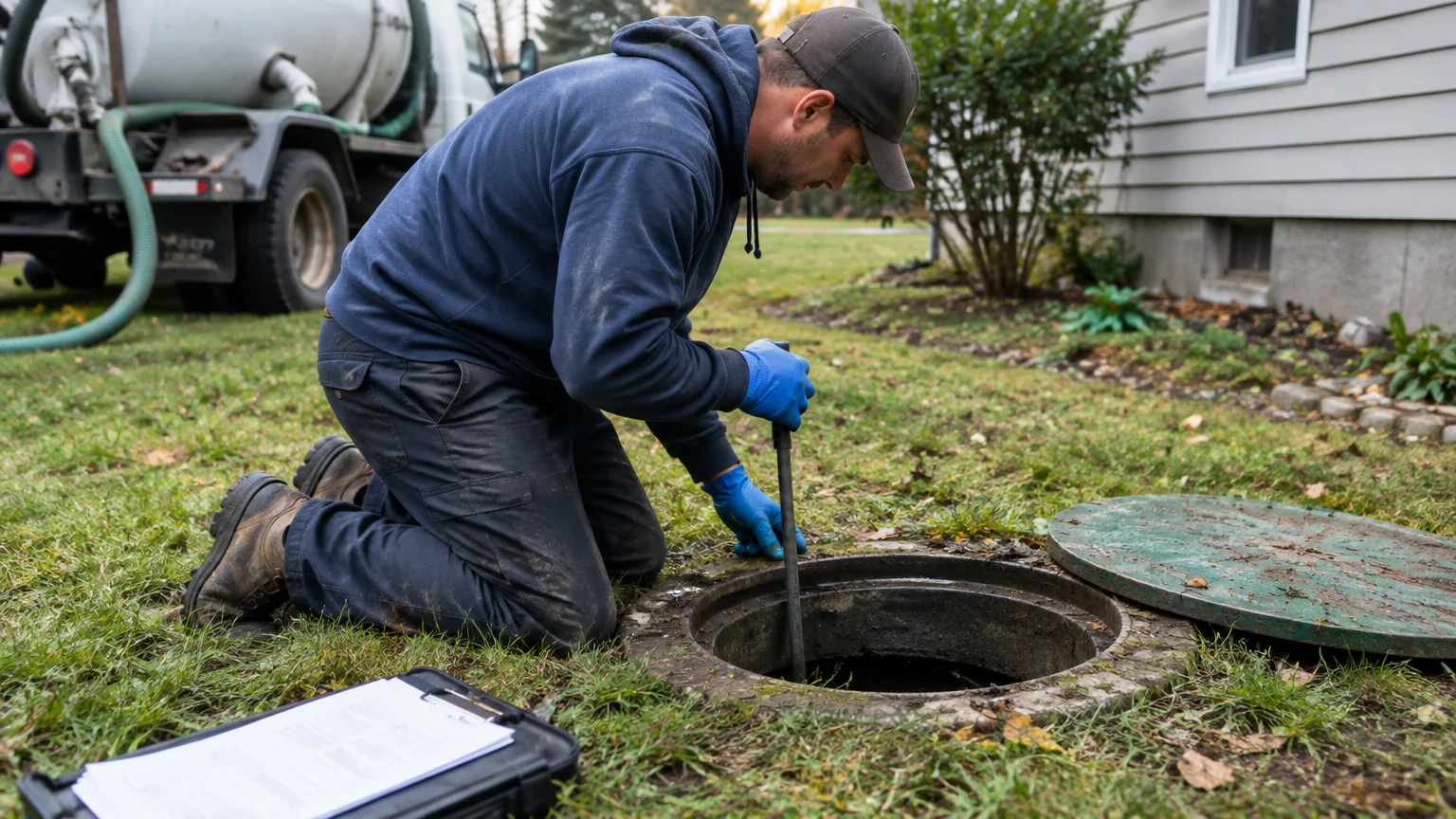
During an inspection, a technician can check the tank and measure the layers inside. The results help show whether waste should be pumped and whether the tank or its parts need repair. Do not try to measure the contents yourself. Opening a lid can expose you to harmful gases and create a risk of falling into the tank.
A strong sewage smell, wet ground near the drainfield, or a toilet that backs up needs prompt attention. These signs may mean wastewater is not moving through the system as it should. They are not a reason to open the tank or start digging. Some systems show few clear signs until a problem gets serious, so do not wait for trouble before arranging an inspection.
Write down when a symptom began, which fixtures are affected, and whether water use changed. These details can help the technician decide what to check. One sign alone does not confirm that the tank needs pumping. It may point instead to a plumbing blockage, a damaged part, or a drainfield problem.
What can homeowners safely do and how can they prepare?
Homeowners can manage daily water use, keep care records, and keep heavy vehicles off the drainfield. These simple steps do not need a professional. But work inside a tank, repairs to electrical parts, damaged system parts, or suspected drainfield trouble should be left to trained workers. These jobs can involve serious risks.
Spread laundry loads through the week instead of sending a large rush of water into the system. Fix dripping taps and running toilets, use water with care, and keep grease, paint, chemicals, wipes, and food scraps out of drains. These habits can limit extra water and unwanted solids. They cannot fix a failing system or take the place of a needed inspection.
Keep a simple record of inspections, pumping, repairs, and changes in who lives at the property. When a new tenant or owner takes over, share these notes to prevent guesswork. For landlords and property investors, clear records help everyone understand the system’s history and any care that is still needed.
Keep the area around known access points clear of sheds, paving, parked vehicles, and heavy objects. Mark the general location so future service is easier to plan. Keep paths clear before an inspection. Never remove a lid to look inside, and never enter a tank. Gases inside can cause serious harm, even when the tank seems empty.
From a safe distance, a homeowner may look for odd wet spots or smells in the yard. This is different from opening the tank, lifting a heavy cover, or probing underground parts. If you do not know where the lid is, check property records or ask a professional to help find it. Do not guess where to dig.
Preparing for an inspection or pump-out
Getting ready is simple: gather system records, clear access to the tank area, and tell the technician about changes or symptoms. Do not open the tank or uncover a heavy lid yourself. Clear details help the visit focus on the system’s needs. They also reduce the chance of an incorrect guess about the tank’s history or location.
Look for a property map, permit papers, inspection notes, or records from past owners. These may show where the tank and drainfield are. If you cannot find records, a technician can discuss safe ways to locate the tank. Do not assume it is in one spot or buried at one depth. Each property can be different.
“Septic tank buried depth” does not have one answer for every home. Soil, site plans, and installation choices affect how deep a tank sits. A professional can help find it without putting you at risk. Before the visit, keep pets safe and make sure the technician can reach the area.
Tell the technician how many people use the system and whether that has changed. Share any recent plumbing work, heavy water use, slow drains, smells, or wet ground. Also mention if the home sat empty for a long time or is used only during part of the year. These details can help explain what the technician finds.
If you rent the property, ask the owner or property manager for care records before the visit. Tenants can report symptoms but should not try to repair or open the system. For a business, explain what kinds of wastewater enter the system and whether daily work has changed. Clear details help the professional make a better assessment.
What happens during a septic tank inspection and pump-out?
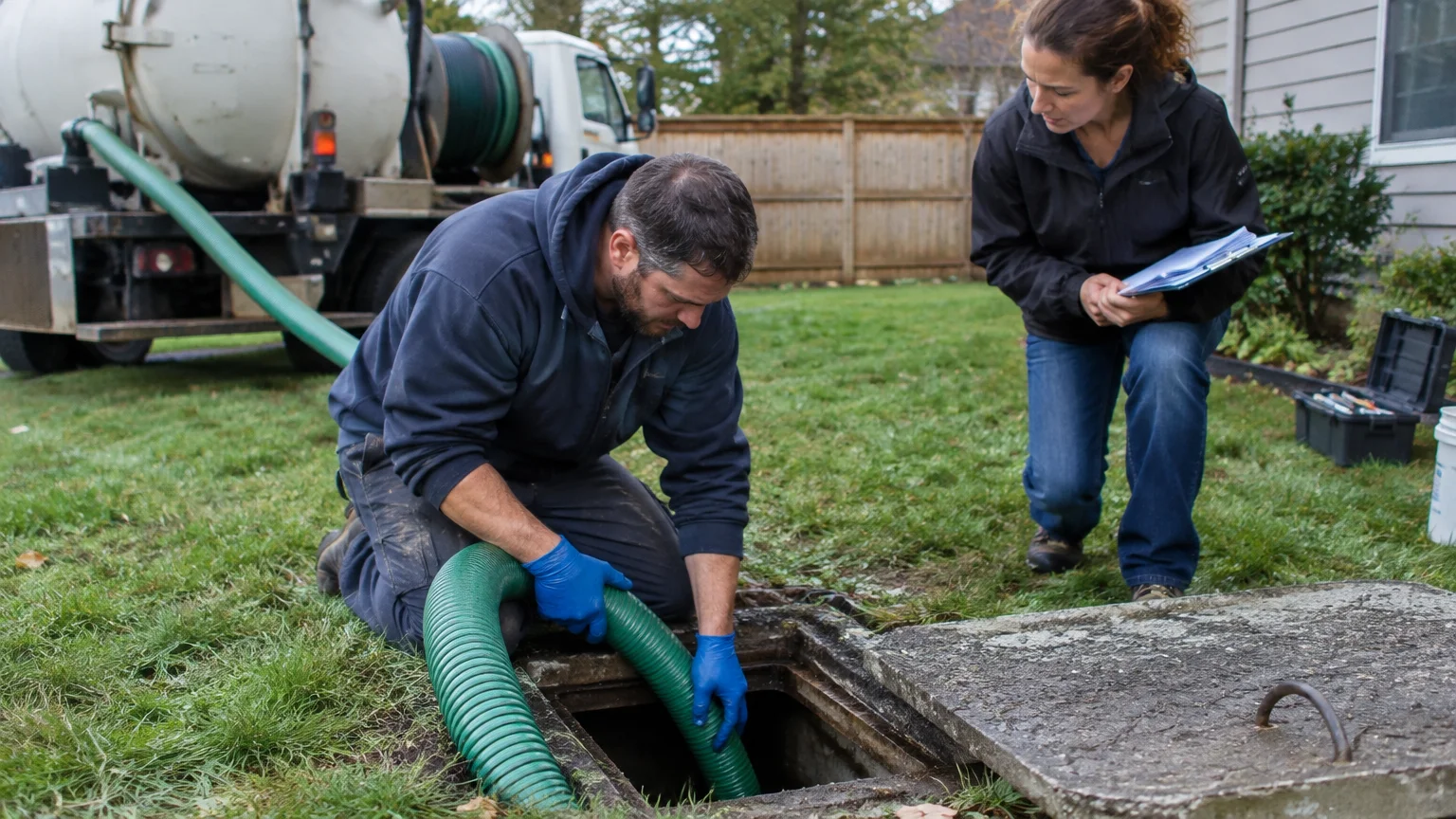
A technician checks the tank’s condition and contents, then explains whether pumping or other work is needed. If a pump-out is right for the system, the technician removes the built-up solids and records key findings. The visit should also help the owner understand the next steps and what care the system may need.
The technician finds and accesses the tank using safe work steps. They can inspect visible parts and measure the layers of solids and liquid. These checks help show whether pumping is needed. The technician may also note a damaged cover, hard-to-reach access, or signs that wastewater is not flowing as it should.
Septic pumping does not repair every part of a system. Removing waste will not fix a broken pipe, blocked line, or drainfield problem. If the inspection finds another concern, ask what the technician saw and what should happen next. A clear answer helps you make a sound plan instead of assuming pumping fixed every issue.
Ask what the measurements mean, whether the tank was pumped, and whether any parts need repair. Find out what records to keep and when to arrange another inspection. If the technician found a problem, ask which signs mean it needs quick attention. Save the answers with the property’s care records.
A useful septic system pumping service explains its findings in plain words. Owners should know what work took place and what still needs attention. Septic Tank Pump Jacksonville can discuss inspection results with homeowners, landlords, and property managers. A clear record can help future occupants avoid relying on memory or guesswork.
What can go wrong if a septic tank is pumped too rarely?
When too many solids collect, they can leave the tank and enter the drainfield. This may block the soil or harm parts of the system. Waiting for a backup is risky. Wastewater trouble may be harder to manage once it reaches the yard or home. Drainfield damage may also need more than routine pumping.
The drainfield is the part of the system that takes liquid from the tank and lets it pass through soil. If too many solids leave the tank, they can block the flow and affect how the field works. A damaged or failing drainfield may need more care than a pump-out. Early checks can help find trouble sooner.
A slow drain does not prove that solids have reached the drainfield. Still, changes in how water drains, new smells, or unusually wet ground need attention. Do not drive or park over the drainfield, since heavy loads can harm buried parts. Avoid planting trees or digging there until you know where the system is.
Wastewater backing up into a home or pooling on the ground can expose people and pets to harmful waste. Keep children and animals away from affected areas. If wastewater backs up, limit water use and arrange a professional check. Do not touch or try to clean sewage without the right protection and guidance.
Pumping may be part of the answer, but it may not fix the cause. A blocked pipe, damaged tank, or failing drainfield can create similar signs. Tell the technician what happened and when it began. Quick action can limit contact with wastewater and help the professional find the source.
Can a septic tank be pumped too often?
Yes. Pumping without checking the tank’s condition may be unnecessary. A good schedule uses inspection findings, tank size, and household use instead of an arbitrary calendar date. Ask the technician why pumping is advised and what the inspection showed.
A tank does not need pumping only because time has passed. If the tank has enough room and the system works as it should, a pump-out may not be needed yet. A busy household or smaller tank may need attention sooner than expected. A schedule that works for one home may not work for another.
Pumping does not remove the need for regular inspections. A tank may have a damaged lid, pipe, or other problem even when the solids are not high. Before work begins, ask what the inspection found and what the suggested work will address. Knowing the reason can help prevent missed repairs and unneeded work.
Use the technician’s measurements and written notes as a starting point. Keep records so the next inspection can compare the tank’s condition over time. If your household grows, water use changes, or symptoms appear, update the plan. Do not rely on an old reminder when the way you use the system has changed.
For a rental home or a property for sale, pass care records to the next person responsible for it. A first-time buyer can ask whether the tank and drainfield were checked and whether any work was advised. The goal is a plan based on the system itself, not a promise that one schedule fits every home.
When should you call a septic professional?
Call a septic professional when inspection records are missing, symptoms appear, or you are unsure about the system’s condition. Get help promptly if sewage backs up, the yard becomes unusually wet, or a strong sewage smell develops. Do not wait for symptoms to set the pumping schedule. They may point to a problem that needs more than routine care.
Watch for signs like these and tell the technician what you notice:
- Sewage backing up into sinks, tubs, or toilets.
- A sewage smell inside the home or near the system.
- Wet or unusually green ground over the drainfield.
- Slow drains affecting more than one fixture.
- A tank cover that is damaged, loose, or missing.
One sign does not always mean the tank needs pumping. But it does mean the system should be checked, especially if the sign is new or getting worse. Note where it appears and whether it changes with water use. Keep people and pets away from sewage or standing wastewater.
Homeowners can use water with care and keep records, but they should not enter a tank, open an unsafe lid, or handle sewage. A professional should check damaged parts, electrical equipment, or suspected drainfield failure. These jobs can expose people to serious danger that simple home care cannot address safely.
Never climb into a septic tank. Harmful gases can build up inside, and a person may pass out without warning. An open tank also creates a risk of falling or drowning. Do not lean over an open tank or enter it to rescue someone. Call emergency services if a person is in danger.
Tank covers may be heavy, unstable, or hidden under soil. Leave covers in place and keep children away from the area. If the tank needs to be opened, let a trained technician handle it. Home care does not include opening the tank, measuring waste, or using tools inside it.
A cracked tank, exposed pipe, sewage spill, or wet area over the drainfield needs a professional check. Do not patch or bury damaged parts yourself. Do not flush chemicals in an attempt to clear a blockage. Chemicals may harm the system and will not show what caused the problem.
If wastewater appears inside the home, keep people and pets away from it. Use less water while arranging help, and tell the technician what happened and when. The problem may involve the tank, plumbing, or drainfield. For owners in the main Jacksonville area, from Riverside and Mandarin to nearby neighborhoods, a septic professional can explain what steps fit the findings.
Set a reminder to review the system’s records and arrange an inspection when needed. Keep the technician’s notes, dates, measurements, and repair details together. If the home is sold or rented, share these records with the next owner or manager. Good records make future choices easier and can help prevent missed care.
A professional can explain whether the system needs pumping, a repair, or more checks over time. The best plan depends on the tank, household, and inspection results. Contact us to discuss an inspection or pump-out with Septic Tank Pump Jacksonville.
Frequently Asked Questions
What is a septic tank? A septic tank is a buried container that receives wastewater from a home or property. Solids settle inside it while lighter material floats. Liquid then moves to the drainfield for more treatment in the soil. The tank is one part of a septic system, not the whole system.
What is a septic system? A septic system treats and manages wastewater on a property that is not connected to a public sewer. It often includes a tank, pipes, and a drainfield. Each part has a job, so a backup or wet yard may involve more than the tank. An inspection can help find the cause.
How deep is a septic tank buried? There is no single depth for every tank. Its location depends on the property and how the system was put in. Check site records if you have them, or ask a professional to find it. Do not dig without a clear plan, since pipes and other parts may be nearby.
How can a homeowner find a buried septic tank? Start with property records, permits, or diagrams from past owners. If they do not show the tank, ask a septic professional to help find it safely. Do not guess where it is or dig around the yard at random. A trained worker can help locate the access point and lower the risk of damage.
What is a septic tank riser? A septic tank riser is an access structure that brings the tank opening closer to the ground. It can make future inspections easier, but it does not make it safe for a homeowner to open or enter the tank. A professional should handle tank access and inspection.
Key takeaways and conclusion
- Pumping needs depend on tank size, household use, and inspection findings.
- Inspection records and measurements are better guides than a calendar alone.
- Simple daily habits can limit extra water and solids.
- Never enter a septic tank or open an unsafe lid.
- Backups, sewage smells, and wet ground need a professional check.
The best way to decide how often to clean a septic tank is to use inspection findings, property use, and care records together. Safe daily habits help, but they do not replace professional checks. Keep records, watch for changes, and act quickly when warning signs appear. Jacksonville property owners can use a plan based on their own tank and household.
If you are not sure what you are dealing with, it is worth having someone look at it before it turns into a bigger job. Find out more about our septic tank pumping in Jacksonville. Get in touch with Septic Tank Pump Jacksonville today and we will tell you where you stand.