The answer to how often should i pump a septic tank depends on tank size, the number of people using it, water use, and solids buildup. There is no schedule that fits every home. Check past service records and have the tank assessed to set a plan for your system. Do not wait for a backup.
Table of Contents
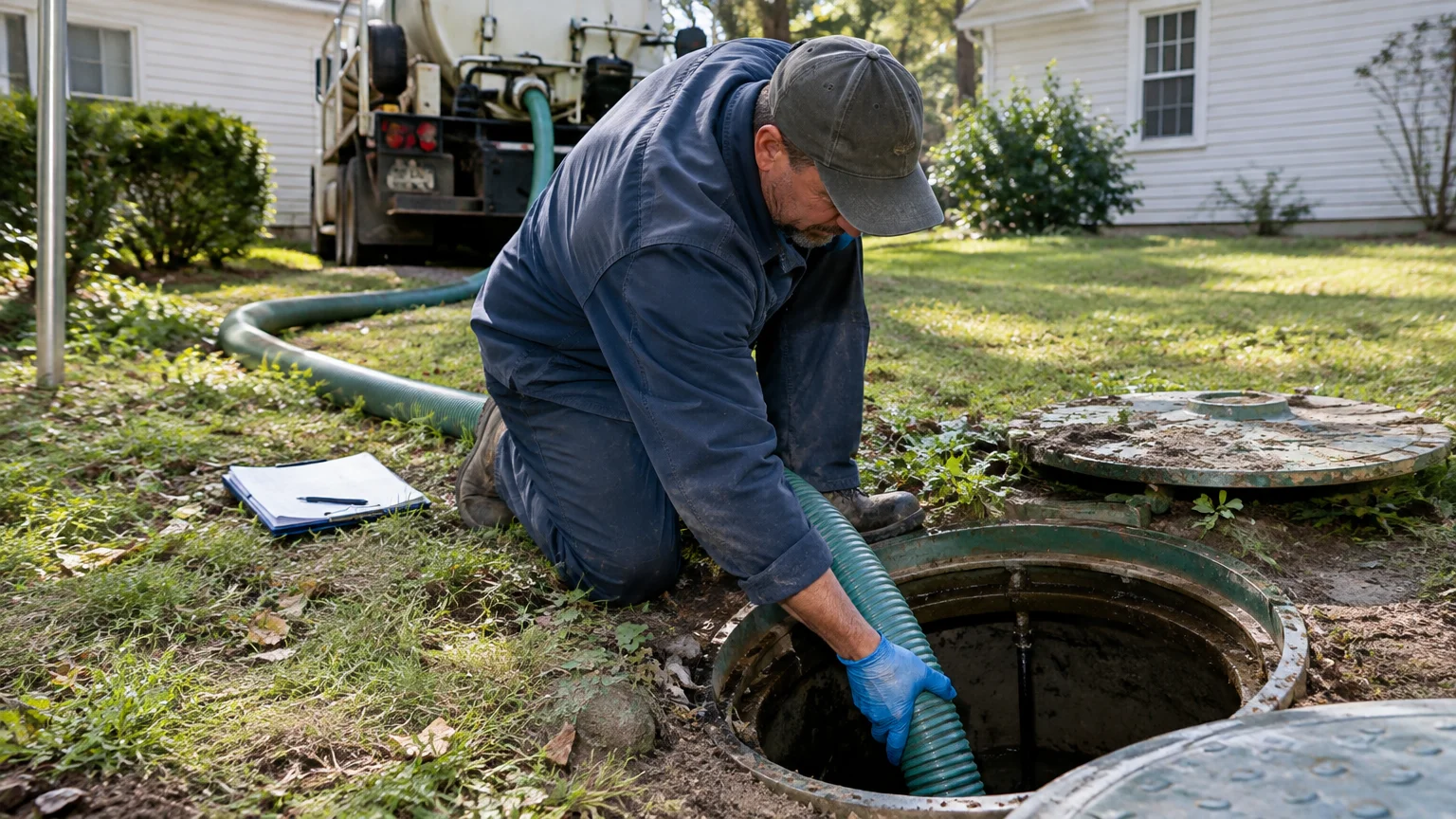
- How often should I pump a septic tank?
- What signs suggest a septic tank needs attention sooner?
- Can I determine my pumping schedule myself?
- What septic maintenance can a homeowner handle?
- What should I do to plan a septic tank pump-out?
- What can go wrong if I wait too long to pump?
- When should I call a septic professional?
- Key takeaways
- Frequently Asked Questions
How often should I pump a septic tank?
There is no one pumping schedule for every home. How often should i pump a septic tank depends on the tank’s size, the number of people using it, and what enters the drains. Past service records and a tank check can help a professional suggest a schedule for your system.
Why household size and tank capacity affect pumping frequency
A septic tank holds wastewater from the home. Heavy solids sink to the bottom, while grease and lighter waste can collect at the top. The clearer liquid between these layers moves toward the drainfield. The drainfield is the soil area where wastewater leaves the tank. As the layers grow, less space remains for wastewater to settle.
More people using the home can send more wastewater and waste into the tank. A smaller tank may fill with solids sooner than a larger tank used by the same number of people. Homes with changing occupancy may need a schedule that fits their use. This can include rental homes, busy family homes, and seasonal properties.
How water use and waste habits change the schedule
Water use affects how quickly wastewater moves through the tank. Several loads of laundry close together, long showers, or leaks can send more water into the system than it can handle well. A large rush of water may carry solids toward the drainfield before they have time to settle.
Waste habits matter, too. Wipes, grease, and other items that do not break down can add to clogs or cause trouble in the system. Do not treat a date on the calendar as the only guide. The tank’s condition and use matter. Septic Tank Pump Jacksonville can help Jacksonville property owners know what details to gather before making a service plan.
What signs suggest a septic tank needs attention sooner?
Slow drains, plumbing backups, sewage smells, or wet ground near the drainfield can point to a septic problem. These signs do not prove that the tank needs pumping. A pipe or another system part may be the cause. Cut back on water use and arrange an assessment rather than waiting to see if the problem goes away.
Changes in drains, toilets, or plumbing
Notice whether one fixture is slow or several are affected. One slow sink may have a clog in its own pipe. Slow drains across the home can point to a larger plumbing or septic issue. Gurgling sounds and toilets that back up also need attention, especially when other warning signs appear.
Do not keep flushing or running water to test a system that is already backing up. This can send more wastewater into a system that may not be draining well. Keep children and pets away from sewage. Do not touch wastewater or try to clear a blockage by opening the tank.
Wet areas, odors, and other signs around the drainfield
Strong sewage smells, unusually wet ground, or standing water over the drainfield need attention. A drainfield is where wastewater flows from the tank into the soil. Wet spots or odors may mean the system needs a prompt check. They can also point to a damaged pipe, blocked outlet, or another problem.
Watch for changes around the yard as well as inside the home. Keep vehicles and heavy equipment off the drainfield. Do not dig to look for a problem. A septic tank is buried, and its location and depth can vary. A professional can help find the system parts without guesswork.
Can I determine my pumping schedule myself?
You can gather records and watch for changes, but a calendar alone cannot tell you when to pump. The amount of solids inside the tank is not visible from the home. An inspection can check the tank and help show whether pumping is due or another repair may be needed.
Check tank and household records
Start with the home’s purchase, maintenance, or permit records. Look for a system plan, tank size, past inspection notes, and dates of earlier pump-outs. These details can help a professional understand the system. They are especially useful for a first-time buyer or a new property manager.
If records are missing, note how many people usually use the home and any changes in water use. Write down when slow drains, odors, or wet ground first began. Do not copy a neighbor’s schedule. Their tank, household, soil, and water habits may be different from yours.
Why inspection is more reliable than a calendar estimate
A septic inspection checks the system instead of relying only on time since the last service. A trained professional can check the tank and look for trouble in nearby parts. This matters because a tank may need care for reasons beyond normal solids buildup.
Pumping and a full system inspection are not the same service. Pumping removes waste and liquid from the tank. An inspection checks the system’s condition and how its parts work. Ask what the visit includes and what may need follow-up. This can help you avoid treating pumping as the answer to every septic problem.
What septic maintenance can a homeowner handle?
Homeowners can track water use, keep service records, protect the drainfield, and watch for warning signs. These simple tasks do not require opening the tank or handling sewage. Tank entry, digging near system parts, and repairs are not safe do-it-yourself jobs. Leave those tasks to trained help.
Track water use and protect the drainfield
Fix leaks in the home and spread laundry and other water-heavy tasks over time. This can help avoid sending a large rush of water into the system. Use toilets and drains for human waste and toilet paper only. Follow the directions on household cleaners.
Keep heavy vehicles, sheds, and digging away from the drainfield. Do not plant trees or shrubs over system parts unless a qualified professional says they are safe there. Roots can harm pipes, and packed soil can make it harder for wastewater to move through the ground. Never enter a septic tank. Its gases and lack of oxygen can kill.
Keep records and make the tank accessible
Keep service notes, system plans, and inspection findings together. Write down service dates, reported problems, and repairs. This file can help a new owner, tenant, property manager, or professional understand what has happened and what may be due next.
You can keep the route to the tank clear and share any known location details with the service provider. Do not dig or lift a heavy cover to find the tank. If you do not know where it is, ask a professional how to locate it safely. A tank is usually buried, and depth depends on the system and property.
What should I do to plan a septic tank pump-out?
Gather system records, note any current symptoms, and arrange an assessment with a septic professional. Ask what the visit will cover and how the provider will check the tank. Before the visit, make the property and known access points easier to reach. Do not dig or open the tank yourself.
Gather system details and arrange an inspection
Share the property location, the number of people who usually use the system, and any known tank or drainfield details. Tell the provider when the tank was last serviced, if you know. Describe warning signs clearly. Include where they happen and when they began.
Ask whether the visit includes an inspection, pumping, or both. Pumping alone may not find a damaged pipe, blocked outlet, or drainfield problem. A septic system has several parts that work together. The right next step depends on what the assessment finds.
Prepare the property for a service visit
Clear loose items from the route to the tank, secure pets, and tell the provider about gates or access limits. Existing records may help you point out the tank’s location. Do not uncover it yourself. Avoid parking on the drainfield or using heavy equipment nearby.
If you do not know where the tank is, do not probe the yard with a sharp tool. You could damage pipes or covers, and digging may be unsafe. Share any old site plans or records instead. Septic Tank Pump Jacksonville serves Jacksonville neighborhoods and nearby communities, including Riverside and Mandarin. Property owners can share their system details when they arrange service.
What can go wrong if I wait too long to pump?
When a tank holds too much solid waste, it may not keep solids from moving toward the drainfield. This can lead to backups or damage that is harder to fix than a routine service need. Warning signs can also come from other system problems, so pumping without an assessment may not solve the cause.
How solids buildup can lead to backups and drainfield damage
A septic tank needs room for wastewater to settle before liquid moves onward. As solids build up, the tank may not work as well. Waste can back up into the home’s plumbing or move into parts of the system that should receive clearer liquid. A clogged or damaged drainfield may stop wastewater from soaking into the soil as it should.
A drainfield that is not working well can cause wet ground, odors, or sewage exposure. Avoid contact with wastewater and keep children and pets away from affected areas. Do not try to fix the problem by digging, adding soil, or sending household water to another part of the yard. A professional needs to check the cause and suggest next steps.
Why additives and pumping by guesswork may not solve the problem
Septic additives cannot take the place of proper care or fix a broken part. Some products may not help the tank. They can also make it harder to understand what is happening. Do not add chemicals or treatments based only on a product claim. Ask a qualified professional first.
Pumping is not a cure for every warning sign. A backed-up toilet may come from a blocked pipe. Wet ground may point to a drainfield or outlet problem. An inspection can help tell these causes apart. If symptoms continue after pumping, contact a professional instead of assuming the tank needs another pump-out.
When should I call a septic professional?
Call a septic professional when plumbing backs up, sewage smells continue, wet areas appear near the drainfield, or records suggest service may be due. Get help promptly if wastewater enters the home or yard. Do not open or enter the tank, or try to repair it. These tasks can expose people to serious danger.
Situations that need prompt assessment
A sudden backup, sewage on the ground, or several slow drains calls for quick attention. Use less water while you wait for advice, and keep people and pets away from sewage. If the home has a well nearby, mention it when arranging service. The provider may need to consider the layout of the property.
A professional can check whether the problem is in the tank, plumbing, drainfield, or another part. Share changes in the number of people using the home, leaks, or recent work on the property. Septic Tank Pump Jacksonville can help explain which system details to have ready before service is arranged.
What information to share when arranging service
Describe the signs, when they began, and which fixtures or yard areas are affected. Share past service dates, inspection notes, tank records, and any known system plan. Mention whether people live at the property all year or only at certain times.
The next step depends on what the assessment finds. It may be routine pumping, more checks, or a repair referral. Ask what the provider found and what follow-up is needed. Good records make future care easier for owners, tenants, and property managers.
Conclusion
The right pumping schedule depends on tank size, household use, records, and system condition. Homeowners can use water wisely, protect the drainfield, and watch for warning signs. Leave tank access, inspections, and repairs to trained professionals. Contact us to discuss septic service and plan the next step.
Key takeaways
- Pumping frequency depends on tank size, household use, water use, and system condition.
- Service records and inspections are more useful than copying another home’s schedule.
- Homeowners can track water use and protect the drainfield, but should not open or enter a tank.
- Backups, sewage smells, and wet ground call for a professional assessment.
Frequently Asked Questions
What is a septic tank?
A septic tank is a buried container that receives wastewater from a home or building. Heavy solids settle inside, and lighter waste can collect at the top. Liquid then moves toward the drainfield. The tank is one part of a septic system. The system also has pipes and a soil area that receives wastewater.
What is a septic system?
A septic system treats and manages wastewater on the property instead of sending it to a public sewer. It often includes a tank, connecting pipes, and a drainfield. Each part needs to work well. A problem in one area can affect the whole system, so backups need a proper check.
How deep is a septic tank buried?
The depth varies by system design, property, and installation. Do not assume the tank is a set distance below the ground or try to find it by digging. Check site records or ask a septic professional to locate it safely. Knowing where the tank is can help with later checks and service.
How can I find a buried septic tank?
Look for a system plan, permit record, or past service notes first. If those do not show the tank, ask a septic professional to help find it. Avoid probing or digging because you could damage buried pipes or covers. A professional can also help locate the drainfield and other system parts.
Does pumping fix every septic problem?
No. Pumping removes material from the tank, but it does not fix a broken pipe, blocked outlet, or failing drainfield. If symptoms continue, the system needs more checks. Tell the professional which signs remain after service and ask what part needs attention. Questions about Septic Tank Pump Jacksonville and its services can help you learn what information to gather.
If you are not sure what you are dealing with, it is worth having someone look at it before it turns into a bigger job. Find out more about our septic tank pumping in Jacksonville. Get in touch with Septic Tank Pump Jacksonville today and we will tell you where you stand.